

Why Regular Heating Maintenance Matters in Reno's Climate

Heating maintenance in Reno, NV is essential for keeping your furnace running efficiently through harsh winters, preventing costly breakdowns, and ensuring your family's safety. Reno's unique high-desert climate—with freezing temperatures, extreme daily temperature swings, and an elevation around 4,500 feet—puts extra stress on heating systems that coastal or low-altitude homes never experience. Without regular professional maintenance, small issues like clogged filters, misadjusted manifold pressure, or worn components can quickly escalate into expensive repairs or dangerous carbon monoxide risks.
Quick Answer: What Does Heating Maintenance Include?
- Annual furnace inspection (burners, heat exchanger, blower motor)
- Safety testing (carbon monoxide levels, gas connections, limit switches)
- High-altitude adjustments (manifold pressure for proper air-fuel ratio)
- Filter replacement and airflow optimization
- Thermostat calibration and electrical connection checks
- Lubrication of moving parts to reduce friction and wear
For more comprehensive guidance on keeping your system in peak condition, explore our Heating Maintenance Guide for Sparks, NV, or schedule a professional inspection with Mountain West Heating & Air Conditioning.
Reno's cold winters demand reliable heating, but many homeowners don't realize that altitude affects furnace performance. At higher elevations, the air is thinner, which changes the oxygen-to-fuel ratio your furnace needs to burn cleanly and efficiently. Without proper adjustments, your system may run inefficiently, produce excess carbon monoxide, or fail prematurely. Dust and debris from the high desert also accumulate faster on sensors and components, reducing performance if left unchecked. Routine maintenance addresses these regional challenges before they become problems, extending your furnace's lifespan, lowering energy bills, and keeping your home safe.
My name is Andrew Morrell, and I've spent over a decade specializing in residential heating maintenance in Reno, NV, where I've seen how our unique climate impacts HVAC systems. Through Mountain West Heating & Air Conditioning, I've helped hundreds of Northern Nevada homeowners keep their furnaces running safely and efficiently year after year.
The Importance of heating maintenance in reno, nv
When we talk about heating maintenance in Reno, NV, we aren't just talking about a "luxury" service. In Northern Nevada, our climate is a force of nature. We live in a high-desert environment where the Sierra Nevada mountains dictate our weather patterns. This means we deal with freezing winters, intense wind, and altitude levels ranging from 4,500 to over 5,300 feet.
Why does this matter for your furnace? Because high altitude means thinner air. For a gas furnace to work safely, it needs a precise mixture of fuel and oxygen. At our elevation, standard "out-of-the-box" factory settings often result in an improper air-fuel ratio. This can lead to "sooting," where unburned fuel creates carbon buildup, or inefficient combustion that sends your energy bills skyrocketing.
Furthermore, Reno’s extreme temperature swings—where it might be 60 degrees during the day and drop to 20 degrees at night—force your heating system to cycle on and off rapidly. This "short cycling" causes significant mechanical stress on the blower motor and heat exchanger. Without regular Heating Maintenance, these parts wear out years before they should.
By following a Heating Maintenance Guide for Sparks, NV and Reno residents, you can ensure your system achieves peak performance. Regular tune-ups don't just keep you warm; they protect your investment, potentially extending the lifespan of your furnace by several years while keeping your monthly utility costs manageable.
Professional Service Standards and High-Altitude Adjustments
When our technicians arrive for a maintenance visit, they aren't just looking for dust. They are performing a scientific calibration of your home’s comfort system. One of the most critical aspects of service in our area is the manifold pressure adjustment.
| Feature | Standard Low-Altitude Operation | High-Altitude Operation (Reno/Sparks) |
|---|---|---|
| Air Density | Thick, oxygen-rich air | Thin air with less oxygen |
| Manifold Pressure | Factory standard settings | Specialized downward adjustment |
| Fuel Burn | Efficient at default settings | Risk of incomplete combustion if not adjusted |
| Carbon Monoxide | Low risk with proper venting | Higher risk without altitude calibration |
| Component Wear | Normal | Accelerated due to temperature swings |
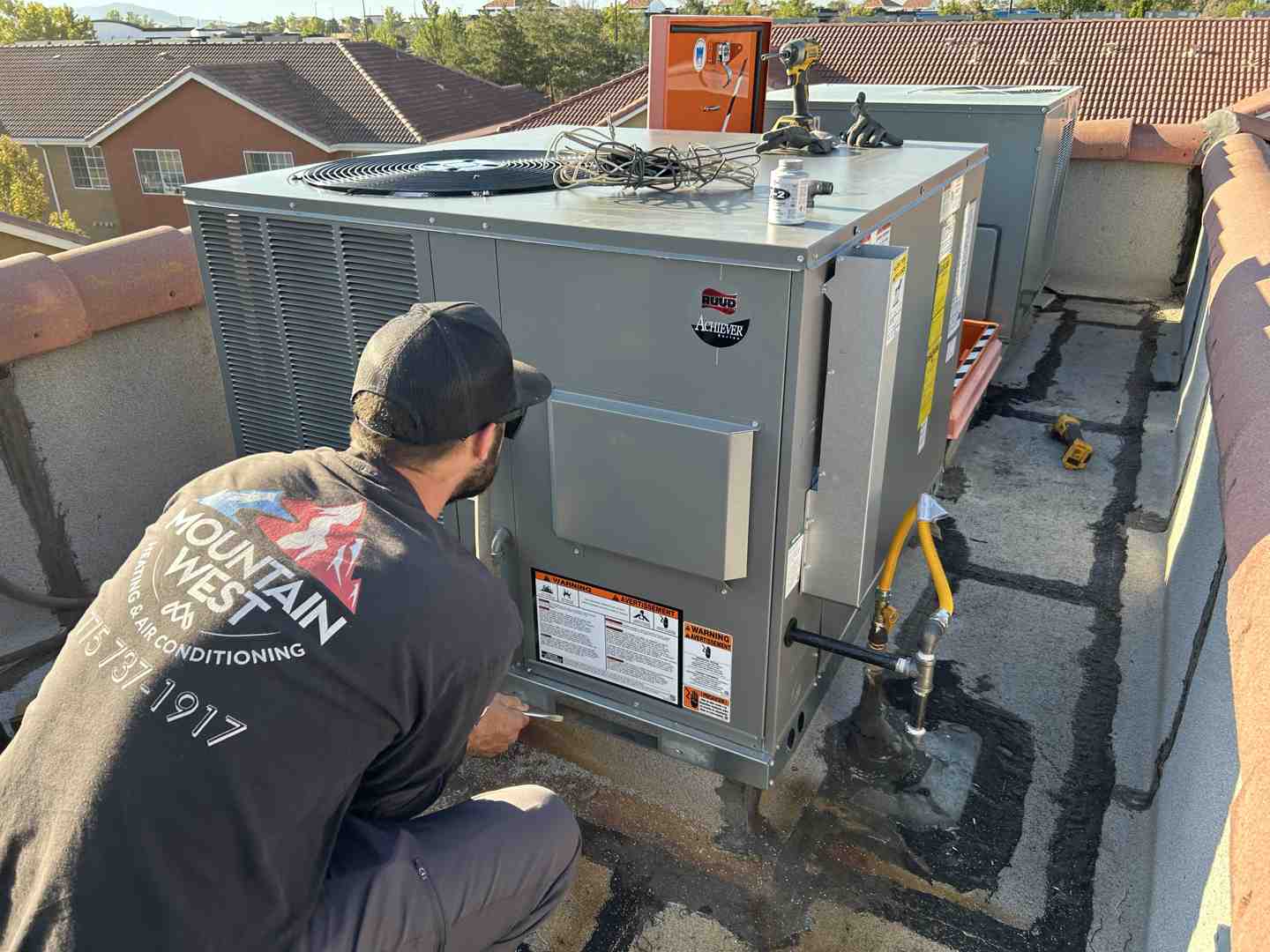
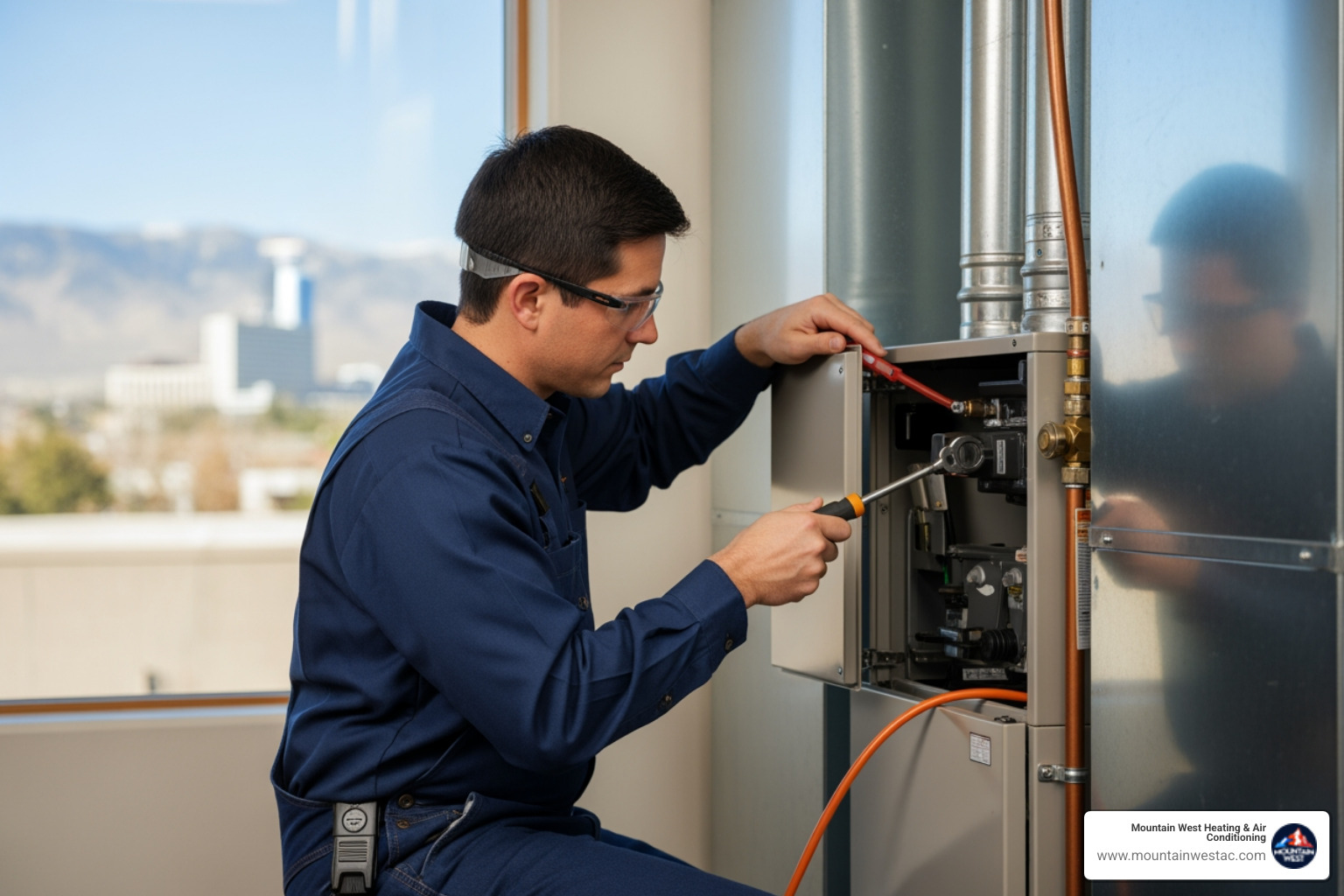
Our comprehensive Heating Maintenance service includes deep-cleaning the burners to ensure a crisp, blue flame and inspecting the heat exchanger for microscopic cracks. We also lubricate moving parts like the blower motor and bearings to reduce friction—because in the HVAC world, friction is the enemy of efficiency.
Comprehensive Checklist for heating maintenance in reno, nv
We believe in transparency, which is why we follow a rigorous checklist during every Heating Service call. Our goal is to leave your system in "like-new" condition. A typical professional visit includes:
- Heat Exchanger Inspection: Checking for cracks or corrosion that could leak carbon monoxide.
- Burner Cleaning: Removing dust and debris to ensure efficient fuel ignition.
- Blower Motor Testing: Measuring amp draw to ensure the motor isn't overworking.
- Electrical Connection Tightening: Preventing loose wires from causing system failures or fires.
- Gas Valve & Limit Switch Testing: Ensuring safety controls shut the system down if it overheats.
- Thermostat Calibration: Verifying that the temperature you set is the temperature you get.
- Manifold Pressure Check: Adjusting gas pressure to match Reno’s specific elevation.
Choosing a Reliable Provider in Northern Nevada
Choosing the right team for your heating maintenance in Reno, NV is about more than just finding a phone number. You need a partner who understands the local codes and the specific challenges of our geography. We provide expert HVAC solutions across our Locations in Reno, Sparks, Washoe Valley, and beyond.
When selecting a provider, look for:
- Licensed and Insured Professionals: Never let an uncertified person work on a gas line.
- Local Experience: Technicians should know about altitude adjustments and high-desert dust.
- Emergency Availability: Because furnaces never break down at noon on a Tuesday; it’s always 2 AM on a Sunday.
- Thorough Diagnostics: A technician who spends only five minutes at your house isn't doing maintenance; they’re just looking at the box.
Recognizing Signs and Preventing Common Heating Problems
Your furnace is surprisingly communicative—if you know what to listen for. Many homeowners ignore the "little things" until they become big, expensive disasters. For instance, if you start hearing a loud banging or booming sound when the furnace starts, that’s often "delayed ignition." Small amounts of gas build up before the spark catches, creating a mini-explosion. This can actually crack your heat exchanger over time.
Other signs you need Heating Repair in Reno, NV include:
- Whistling or Screeching: This usually points to a failing belt or a motor bearing that has run dry.
- Short Cycling: If the furnace turns on and off every few minutes, it might be overheating due to a clogged filter or a faulty limit switch.
- Yellow Pilot Light: A healthy flame should be blue. A yellow or flickering flame suggests incomplete combustion and the potential presence of carbon monoxide.
- Cold Spots: If the living room is a sauna but the bedroom is a walk-in freezer, you likely have ductwork issues or a failing blower.
By catching these issues during a routine maintenance visit, we can prevent total system failure. Most "emergency" calls we receive in January could have been prevented with a simple tune-up in October.
DIY Maintenance vs. Professional Safety Inspections
We love proactive homeowners! There are several tasks you can safely perform to help your system run better. However, it's important to know where the DIY path ends and the professional path begins.
What You Can Do Safely:
- Change the Air Filter: This is the single most important thing you can do. In Reno, our dry, dusty air clogs filters quickly. Check them every 30 to 90 days.
- Clear the Vents: Ensure furniture, rugs, or curtains aren't blocking your return or supply vents.
- Check Thermostat Batteries: You’d be surprised how many "broken" furnaces just need two fresh AA batteries in the wall unit.
- Monitor Your Carbon Monoxide Detector: Ensure you have working detectors on every floor and near sleeping areas.
For more tips, check out our Affordable Heating Maintenance Sparks NV Tips.
Why You Need a Pro:While changing a filter is easy, inspecting a heat exchanger is not. A professional has the tools to detect microscopic cracks that the naked eye can't see. We also handle gas line inspections and electrical testing—tasks that involve high voltage and combustible fuel. Attempting to DIY these can lead to gas leaks, fires, or voiding your manufacturer’s warranty.
When to Call for Professional heating maintenance in reno, nv
If you haven't had your system looked at in over a year, it's time. Especially if you live in higher-elevation areas like Arrowcreek or Somersett, your system is working harder than most. We recommend scheduling your visit in the early autumn. This ensures that when the first snow hits the Peavine Mountains, your home is ready. You can find our full Heating Maintenance Guide for Sparks, NV to help you stay on schedule.
Frequently Asked Questions
How often should Reno homeowners schedule a furnace tune-up?
We recommend a professional tune-up once a year, ideally before the heating season begins. Consistent annual maintenance is often a requirement to keep your manufacturer's warranty valid. More importantly, it ensures that small wear-and-tear issues don't turn into mid-winter emergencies.
Why is carbon monoxide safety a critical part of maintenance?
Gas furnaces burn fuel to create heat, and a byproduct of that process is carbon monoxide (CO). Normally, CO is safely vented out of your home. However, a cracked heat exchanger or a blocked flue can allow this odorless, colorless, and deadly gas to leak into your living space. During a maintenance visit, we use specialized sensors to ensure your home is 100% safe.
How does Reno’s altitude affect my furnace?
Because Reno is at a high altitude, there is less oxygen in the air. Furnaces are typically calibrated at the factory for sea-level performance. Without "derating" the furnace or adjusting the manifold pressure, the unit will burn too much fuel for the amount of oxygen available. This leads to inefficient heating, increased wear on the burners, and a higher risk of system failure.
Conclusion
At Mountain West Heating & Air Conditioning, we take pride in keeping our neighbors comfortable. Whether you are in Reno, Sparks, Carson City, or the surrounding communities like Verdi and Washoe Valley, our team is dedicated to providing prompt, reliable, and code-compliant service.
Don't wait for the first freezing night to find out your furnace isn't up to the task. Investing in regular heating maintenance in Reno, NV is the smartest way to ensure your family stays warm, your air stays clean, and your energy bills stay low. From high-altitude adjustments to safety inspections, we handle the technical details so you can enjoy a cozy home all winter long.
Ready to get your home winter-ready? Schedule your Heating Maintenance with us today and experience the peace of mind that comes with professional care.