

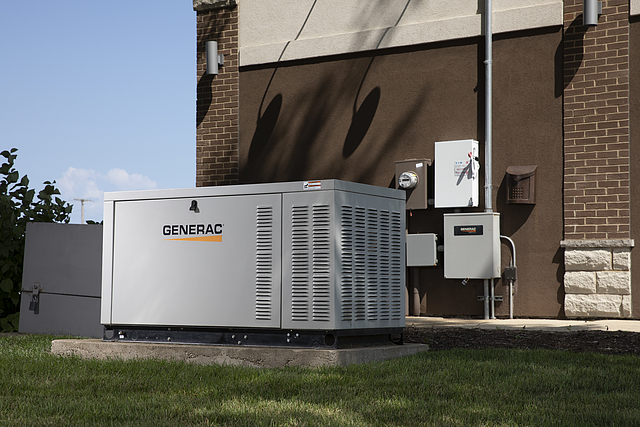
Finding the right generator service provider can make the difference between reliable backup power and costly breakdowns when you need electricity most.
Professional generator service companies offer essential maintenance, repairs, and troubleshooting that keep residential and commercial backup power systems running at peak performance. These trained technicians understand the complex electrical and mechanical systems that power homes and businesses during outages.
Many homeowners think generator maintenance is too complicated or expensive to manage properly. The truth is that working with qualified service providers actually saves money over time by preventing major repairs and extending equipment life. Licensed technicians can spot small problems before they become expensive failures.
Choosing between local independent dealers and national service networks involves weighing factors like response times, specialized expertise, and long-term reliability.
In this article, you’ll learn how to choose a generator service provider and what to expect from certified technicians for safe, reliable maintenance and repairs.
Here’s what you need to know:
- Choosing the right generator service provider: what homeowners should know
- Why working with a trusted generator service provider matters
- What to look for in a reliable generator service company
- How professional generator services keep your system running efficiently
- Comparing local vs. national generator service providers
- How to prepare for your next generator service appointment
Keep reading! Understanding what separates quality service providers from average ones helps property owners make informed decisions about protecting their backup power investments.
Choosing the right generator service provider: what homeowners should know
Finding the right generator service provider protects your home during power outages. The wrong choice can lead to costly repairs and failed equipment when you need it most.
Experience matters most when selecting a provider. Look for companies that have worked on your generator brand for several years. Ask how long they have been in business.
Check their licensing and certifications. All legitimate providers should have proper state licenses. They should also be certified by major generator manufacturers.
Get references from past customers. Call at least three homeowners who used their services. Ask about response times and work quality.
Look for providers that offer both installation and maintenance services. This ensures they understand your system completely. Generator installation services from the same company create better long-term support.
24/7 availability is crucial for emergency repairs. Power outages don't happen on schedule. Your provider should offer round-the-clock service calls.
Review their service contracts carefully. Look for clear pricing and fair cancellation policies. Avoid companies with confusing terms or hidden fees.
Don't choose based on price alone. The cheapest option often costs more in the long run. Focus on reputation, skills, and reliability instead.
Ask about their parts inventory. Good providers keep common parts in stock. This reduces repair time when your generator breaks down.
Independent service providers often provide better long-term care than manufacturer services. They specialize in maintenance rather than just selling new units.
Why working with a trusted generator service provider matters
Professional expertise keeps generators running safely and efficiently while reducing long-term costs. Unlicensed technicians can create dangerous situations and expensive damage.
How expert service ensures safety and performance
Trained technicians know how to handle high-voltage electrical systems safely. They follow strict safety protocols that protect both the equipment and people nearby.
Certified professionals use proper testing equipment to check voltage levels and electrical connections. This prevents dangerous situations like electrical fires or carbon monoxide poisoning.
Expert service includes thorough inspections of all generator components. Technicians check fuel lines, filters, and cooling systems during each visit.
They spot small problems before they become major failures. A loose connection found early prevents a complete system breakdown later.
Professional generator repair follows manufacturer guidelines exactly. This keeps warranties valid and ensures the generator works as designed.
Trained technicians also update software and firmware when needed. Modern generators rely on computer systems that require regular updates.
The risks of using unlicensed or untrained technicians
Unlicensed workers often lack proper insurance coverage. Property owners face financial liability if accidents happen during repairs.
Improper installation can cause serious safety hazards:
- Gas leaks that risk explosions
- Electrical fires from bad wiring
- Carbon monoxide buildup from poor ventilation
Untrained technicians may use wrong parts or incorrect procedures. This damages expensive generator components and creates safety risks.
They might not understand local building codes and permit requirements. Code violations can result in fines and insurance claim denials.
Poor workmanship often leads to repeated breakdowns. The generator fails when people need it most during power outages.
Unlicensed work typically voids manufacturer warranties. This leaves owners responsible for all future repair costs.
Why professional maintenance saves money long-term
Regular professional maintenance extends generator lifespan significantly. Well-maintained generators run for 20-30 years with proper care.
Preventive maintenance costs much less than emergency repairs. A routine service visit costs $200-400, while major repairs can cost thousands.
According to the U.S. Department of Energy’s Federal Energy Management Program (FEMP), well-practiced operations and maintenance is one of the most cost-effective ways to ensure reliability, safety, resiliency, and energy efficiency in critical equipment—supporting scheduled service over reactive repairs.
Professional technicians replace filters, oil, and spark plugs on schedule. This prevents engine damage and keeps fuel efficiency high.
They also maintain detailed service records. These records help track performance trends and predict when parts need replacement.
Proper maintenance keeps generators running at peak efficiency. This reduces fuel consumption and operating costs over time.
Professional service contracts often include priority response during emergencies. This means faster repairs when the generator breaks down.
What to look for in a reliable generator service company
Finding the right service company means checking their credentials and asking specific questions about their work. Smart customers also know how to spot warning signs that indicate poor service quality.
Certifications and experience that set professionals apart
Certified generator technicians hold industry credentials that prove their skills. Look for technicians with manufacturer certifications from brands like Generac, Kohler, or Cummins.
EGSA (Electrical Generating Systems Association) certification shows advanced training. NFPA 70 (National Electrical Code) knowledge is essential for safe installations.
Experience matters as much as certificates. Ask how long technicians have worked on your generator brand. Companies with 5+ years in business usually have better problem-solving skills.
Check if the company provides ongoing training for their staff. Technology changes fast in the generator industry. Trained technicians stay current with new models and repair methods.
Some companies specialize in specific generator types. Commercial generators need different skills than home units. Make sure their experience matches your equipment type.
Key questions to ask before hiring a technician
What brands do you service most often? Companies that work regularly with your generator brand know common problems and have parts ready.
Ask about response times for emergency calls. Good companies respond within 24 hours for urgent repairs. Some offer same-day service for critical situations.
Do you offer preventative maintenance plans? Regular maintenance prevents costly breakdowns. Plans should include oil changes, filter replacements, and system testing.
Find out about parts availability. Companies with local parts inventory fix problems faster. Ask if they stock filters and common replacement parts for your model.
What warranties do you provide? Reliable companies guarantee their work for at least 90 days. Parts should have manufacturer warranties.
Request references from recent customers. Contact them to learn about service quality and response times.
How to spot red flags when comparing service providers
Avoid companies that demand full payment upfront. Legitimate businesses typically require only a small deposit before starting work.
Be wary of door-to-door sales pitches. Professional companies rarely use this approach for generator services.
Extremely low prices often mean poor quality work. Companies that bid much lower than others may cut corners or add hidden fees later.
Watch for poor communication skills. Companies that don't return calls promptly or explain services clearly often provide bad customer service.
No written estimates signal problems. Professional companies provide detailed quotes that list parts, labor, and total costs.
Missing insurance or licensing creates liability risks. Always verify their coverage before allowing work on your property.
Companies with no local address or only P.O. boxes may disappear after taking your money.
How professional generator services keep your system running efficiently
Professional generator services use specific methods to maintain peak system performance and prevent costly failures. Regular maintenance, proper tune-ups, and systematic testing work together to ensure reliable backup power when needed most.
Preventive maintenance that reduces breakdowns
A generator maintenance company follows structured maintenance schedules to prevent equipment failures before they occur. Regular oil changes keep engine components lubricated and running smoothly.
Professional technicians replace air filters and fuel filters during routine visits. Clean filters allow proper airflow and fuel delivery to the engine. Dirty filters can cause the generator to work harder and use more fuel.
Battery maintenance is essential for automatic start systems. Technicians clean battery terminals and test charging systems. They replace weak batteries before they fail during power outages.
Coolant system checks prevent engine overheating. Technicians inspect hoses for cracks and leaks. They test coolant levels and replace fluid when needed.
Fuel system maintenance keeps generators ready to start. Old fuel can cause starting problems and engine damage. Professionals drain old fuel and add fresh gasoline or diesel as needed.
How tune-ups improve fuel efficiency and power reliability
Professional tune-ups optimize generator performance through precise adjustments. Technicians check spark plugs and replace worn components that affect combustion efficiency.
Engine timing adjustments ensure proper fuel burning and power output. Correct timing reduces fuel waste and improves electrical generation. Poor timing can cause rough running and reduced power.
Voltage regulator testing maintains steady electrical output. Technicians verify that the generator produces the correct voltage under different load conditions. Proper voltage protects connected appliances and equipment.
Load bank testing confirms the generator can handle its rated capacity. This process reveals performance issues before actual power outages occur. Testing under load shows real operating conditions.
Carburetor cleaning and adjustment improve fuel delivery. Clean carburetors provide smooth engine operation and better fuel economy. Clogged jets can cause poor performance and starting issues.
The importance of regular testing and inspections
Monthly testing reveals potential problems while the generator is not in emergency use. Professional technicians run diagnostic tests to check all system functions.
Electrical system inspections identify loose connections and worn wiring. Faulty electrical components can prevent proper starting or cause dangerous conditions. Early detection prevents emergency failures.
Control panel testing ensures automatic transfer switches work correctly. These switches detect power outages and start the generator automatically. Failed switches leave properties without backup power.
Exhaust system checks prevent dangerous carbon monoxide leaks. Cracked exhaust pipes or loose connections create safety hazards. Regular inspections protect building occupants from harmful gases.
According to the U.S. Environmental Protection Agency (EPA), carbon monoxide is a colorless, odorless gas that can be deadly in minutes; generators must be operated outdoors and far from windows, doors, and vents to prevent CO buildup.
Performance monitoring tracks engine operating parameters over time. Changes in oil pressure, temperature, or RPM indicate developing problems. Early intervention prevents major repairs and extends equipment life.
Comparing local vs. national generator service providers
Choosing between local and national generator service providers affects response times, technical expertise, and long-term maintenance quality. Local providers typically offer faster emergency response and better understanding of regional weather patterns, while building stronger customer relationships over time.
Why local experts often provide faster, more personal support
Local generator service providers can respond to emergencies much faster than national companies. They typically arrive within 2-4 hours during outages compared to 24-48 hours for national providers.
Local technicians know the area well. They understand which neighborhoods lose power first and can prioritize service calls better. This knowledge helps them plan routes and stock the right parts.
Personal service makes a big difference. Local providers remember customer preferences and generator history. They often work with the same technician each visit, creating familiarity with specific equipment.
Many local companies offer 24/7 emergency service with direct phone access to owners or managers. National companies typically use call centers that may route customers through multiple departments before reaching a technician.
Local providers can also coordinate with neighborhood utility companies more effectively. They have established relationships with local power companies and municipal services.
How local climate knowledge affects generator maintenance
Regional weather patterns directly impact generator maintenance needs. Local service providers understand these specific climate challenges better than national companies.
Coastal areas need different care than mountain regions or desert climates. Salt air causes corrosion issues that require special treatments and more frequent inspections.
Cold climates demand specific winterization procedures. Local technicians know when to switch to winter-grade fuel and how to protect generators from freezing temperatures.
Hot, humid areas create different problems. Generators need better ventilation and moisture control in these regions. Local providers stock appropriate filters and parts for these conditions.
Storm season timing varies by location. Local providers schedule maintenance before peak weather seasons in their area. They understand hurricane season in Florida differs from tornado season in Oklahoma.
Local providers also know which generator models perform best in specific climates and can recommend appropriate equipment for the region.
The benefits of building a long-term service relationship
Long-term relationships with local providers create better service outcomes over time. Technicians become familiar with specific generator models and their maintenance history.
Service records stay with one provider. This continuity helps technicians spot patterns and prevent problems before they cause failures. They track parts replacement schedules and warranty information more effectively.
Local providers often offer loyalty discounts and priority scheduling for regular customers. These benefits include reduced service call fees and guaranteed response times during emergencies.
Customized maintenance plans develop over time based on actual usage patterns. Local providers can adjust service schedules based on how often generators actually run rather than following generic manufacturer recommendations.
Trust builds through repeated positive interactions. Customers feel more comfortable allowing familiar technicians access to their property and electrical systems.
Local providers also become invested in their reputation within the community. Word-of-mouth referrals drive their business, creating strong incentives to maintain high service quality.
Financing options with Mountain West
Make maintenance and repairs fit your budget with flexible plans managed by Mountain West AC, with Synchrony Financing as our trusted partner (subject to credit approval). We handle everything end-to-end, diagnostics, parts, labor, permitting coordination where applicable, and post-service follow-up, so you get reliable results and a clear monthly payment instead of a surprise bill.
- What you can finance through Mountain: repair parts (control boards, regulators, batteries), transfer switch work, fuel-system fixes, surge protection, tune-ups, and maintenance plans.
- Why homeowners choose us: local, certified technicians; written, itemized estimates; no-surprises scheduling; and workmanship backed by Mountain West AC.
- How it works: apply on our site, review your approved terms, and we’ll lock in scope, pricing, and a service date—Synchrony provides the financing, and Mountain delivers the service.
- Start here: Financing options
Build your generator service estimate online
Get a Mountain-level estimate, fast. Our online form funnels straight to our dispatcher and service team (not a third party), so you receive a tailored range based on your unit, symptoms, and site photos. After you submit, we confirm details, recommend the right fix, and, if you like, pair your quote with a Synchrony plan.
- What we ask for: brand/model, kW, fuel type (NG/LP/diesel), error codes/symptoms, recent maintenance, and clear photos of the install and transfer equipment.
- What you get from Mountain: an itemized parts-and-labor range, realistic lead times, and the first available diagnostic window with a certified technician.
- Why it’s better with us: our techs arrive stocked for common generator issues, and your written estimate is honored—no hidden fees.
Start now: Estimate builder
How to prepare for your next generator service appointment
Getting ready for a generator service visit requires gathering specific information about your system and planning around your power needs. Having the right details and maintenance records ready helps technicians work faster and protects your warranty coverage.
What information your technician will need before arrival
Technicians need your generator's model and serial number before they arrive. This information helps them bring the right parts and tools for your specific system.
Essential Information to Gather:
- Generator model number
- Serial number (usually found on a metal plate)
- Date of installation
- Last service date
- Any current problems or error codes
Write down any strange noises, warning lights, or performance issues you've noticed. Be specific about when these problems happen and how often they occur.
Check if your generator is still under warranty. If so, make sure you have warranty paperwork ready to show the technician.
Look up your generator's age and maintenance history. Some older units may need special parts that take time to order.
How to plan maintenance around weather and power needs
Schedule service during mild weather when power outages are less likely. Avoid booking appointments during storm season or extreme temperatures.
Your generator will be offline during maintenance. Plan service when you can go without backup power for 2-4 hours.
Best Times for Service:
- Spring and fall months
- Weekdays when power demand is lower
- When no storms are forecast for several days
Call to reschedule if severe weather threatens your area. Technicians may not be able to work safely in high winds or heavy rain.
Consider your family's power needs. Don't schedule maintenance during events when you absolutely need electricity, like medical equipment use or important work deadlines.
Keeping maintenance records to ensure warranty protection
Save all service receipts and maintenance reports in one place. Most generator warranties require proof of regular professional maintenance.
Create a simple log with service dates and work performed. Include both professional services and any maintenance you do yourself.
Key Records to Keep:
- Service invoices and receipts
- Oil change records
- Filter replacement dates
- Battery maintenance logs
- Any repair work documentation
Take photos of your maintenance log and store them digitally as backup. This prevents losing important warranty information.
Most manufacturers require annual professional service to keep warranties valid. Missing even one scheduled service can void your coverage completely.
Keep records for at least 5-7 years after your warranty expires. Some extended warranties or insurance claims may require older maintenance history.
Conclusion
A conclusion generator is an AI tool that creates final paragraphs for written content. These tools analyze main text to find key points and themes. They then produce endings that match the chosen writing style.
Most conclusion generators work by processing input text through language models. These models learn patterns from large amounts of data. They understand grammar, vocabulary, and writing structure.
Users typically input their main content and select a desired tone. The AI tool then generates appropriate closing statements. Many platforms offer this service without requiring user registration.
The technology combines learned information with input analysis. This creates human-like text that summarizes key arguments effectively. Writers can customize length and style to match their specific needs.
These tools help eliminate writer's block at the final stage. They ensure content ends with clear, compelling statements. The generated conclusions leave lasting impressions on readers while maintaining professional quality standards.
Schedule a certified generator diagnostic or request a written maintenance/repair estimate with Mountain West AC.