

Winter weather can quickly turn a reliable generator into an expensive paperweight if proper precautions aren't taken. The key to protecting your generator from freezing involves proper fuel preparation, regular maintenance, and creating physical barriers against cold temperatures and moisture.
Cold temperatures affect every part of your generator, from the engine oil that thickens in freezing weather to the fuel that can gel and clog vital components. Many homeowners discover too late that their backup power source won't start when they need it most during winter storms.
Understanding how to winterize your generator properly ensures it will fire up reliably when the power goes out. In this article, you’ll learn how to protect generator from freezing with practical winterization, maintenance, and setup strategies that prevent cold-weather failures.
Let’s break down the key points you should consider:
- Why your generator needs winter protection
- How cold weather impacts generator components
- Simple steps to protect your generator from freezing
- Maintenance habits to keep your generator winter-ready
- When to call a professional for winter generator servicing
Keep reading! Simple preventive steps and regular maintenance habits can save hundreds of dollars in repairs while keeping your home powered through the coldest months of the year.
Why your generator needs winter protection
Cold weather creates serious risks for generators that can lead to expensive damage and complete system failure. Freezing temperatures affect multiple parts of your generator, from fluids to electrical systems.
How freezing temperatures affect generator performance
Freezing weather makes generators work much harder to start and run properly. Cold temperatures thicken engine oil, making it harder for internal parts to move smoothly.
The battery loses power quickly in cold weather. A generator battery can lose up to 50% of its starting power when temperatures drop below 32°F.
Fuel systems face major problems in winter. Diesel fuel can gel at low temperatures, blocking fuel lines and filters. Gasoline can also develop moisture that freezes in fuel lines.
Cold weather effects on generators:
- Oil becomes thick and flows poorly
- Battery power drops significantly
- Fuel may gel or freeze
- Metal parts contract and may crack
- Starting becomes difficult or impossible
The cooling system can freeze if it contains water instead of proper antifreeze. This makes the generator overheat even in cold weather.
The costly damage that ice and frost can cause
Ice formation inside a generator can crack engine blocks, radiators, and fuel lines. These repairs often cost thousands of dollars and may require complete engine replacement.
Frozen coolant expands and can split metal components. A cracked engine block usually means the generator is beyond repair.
Water that freezes in fuel lines blocks fuel flow completely. This can damage fuel pumps and injectors when owners try to force the system to work.
Common freeze damage costs:
- Cracked engine block: $3,000-$8,000
- Damaged radiator: $500-$1,500
- Fuel system repairs: $300-$1,200
- Battery replacement: $100-$400
Electrical components suffer when moisture freezes around connections. This can cause short circuits and control panel failures.
Why prevention is easier than emergency repairs
Winter preparation takes only a few hours but saves thousands in repair costs. Simple steps like draining fluids and using covers prevent most freeze damage.
Emergency repairs during winter storms cost much more than regular maintenance. Service calls in bad weather often include premium charges and limited parts availability.
Prevention vs. repair comparison:
- Winterizing costs: $50-$200
- Emergency repair costs: $500-$5,000
- Prevention time needed: 2-4 hours
- Repair downtime: 1-3 weeks
A cold weather kit costs $200-$500 but protects generators worth thousands of dollars. These kits include battery warmers and engine block heaters that prevent freeze damage.
Proper winter storage eliminates most cold weather problems. Generators stored in heated spaces rarely experience freeze-related failures.
How cold weather impacts generator components
Cold temperatures can damage multiple parts of a generator. Fuel systems suffer when gasoline gels, batteries lose power in freezing conditions, and oil becomes too thick to flow properly through the engine.
The effects of cold on fuel systems and batteries
Fuel gelling occurs when temperatures drop below 32°F. The fuel becomes thick and sticky, blocking fuel lines and preventing proper flow to the engine. This creates starting problems and can cause the generator to stall during operation.
Gasoline also attracts moisture in cold weather. Water droplets form inside the fuel tank and mix with the gas. This water can freeze and block fuel passages completely.
Batteries lose significant power when temperatures fall. A fully charged battery can lose up to 50% of its starting power at 0°F. Older batteries struggle even more in cold conditions.
The chemical reactions inside batteries slow down dramatically in freezing weather. This reduces the electrical current available to start the engine. Many generators fail to start because the battery cannot turn the engine over with enough force.
Cold weather protection steps:
- Add fuel stabilizer before winter storage
- Keep fuel tanks full to reduce condensation
- Store batteries in heated areas when possible
- Test battery voltage before cold weather arrives
How oil thickening can prevent your generator from starting
Engine oil becomes thick and sluggish when temperatures drop. This thick oil cannot flow quickly through the engine parts during startup. The engine works much harder to turn over, putting extra strain on the battery and starter motor.
Viscosity changes make oil move like syrup instead of water. The oil pump struggles to circulate thick oil through narrow passages. Critical engine parts may not receive proper lubrication during the first few minutes of operation.
Standard oil ratings like 10W-30 perform poorly in freezing conditions. The "W" stands for winter, but even winter-rated oils thicken significantly below 20°F.
Cold weather oil solutions:
- Switch to 5W-30 or 0W-20 oil before winter
- Use synthetic oil for better cold-weather flow
- Consider engine block heaters for extremely cold climates
- Change oil more frequently in winter conditions
Electrical issues caused by condensation and moisture
Condensation forms when warm air meets cold metal surfaces inside the generator. This moisture collects on electrical connections, spark plugs, and control panels. Water and electricity create dangerous situations and equipment failures.
Moisture can cause short circuits in the electrical system. Wet connections corrode quickly and create poor electrical contact. Control panels may malfunction or display error messages when moisture gets inside.
Spark plugs fail when water accumulates around them. The electrical spark cannot jump across wet surfaces properly. This leads to misfiring, rough running, or complete failure to start.
Ice can form inside air intake systems and exhaust pipes. Blocked airways prevent proper engine breathing and can cause serious damage.
Moisture prevention methods:
- Cover generators with waterproof materials
- Ensure proper ventilation around stored units
- Use moisture-absorbing products in storage areas
- Check and clean electrical connections regularly
Simple steps to protect your generator from freezing
Protecting a generator from freezing requires proper insulation, cold-weather equipment, and fuel system maintenance. These steps prevent damage and ensure reliable operation during winter months.
How to properly insulate and shelter your generator
Generator winter storage requires a dry, covered location that blocks wind and moisture. A shed, garage, or weatherproof cover provides essential protection from snow and ice.
Never operate a generator indoors due to carbon monoxide risks. Instead, build a simple shelter or canopy that covers the top and sides while maintaining proper ventilation.
Insulation blankets designed for generators wrap around the unit while leaving air vents open. These blankets trap heat from the engine and prevent cold air from reaching critical components.
Position the generator on a raised platform to keep it off frozen ground. Wooden pallets or concrete blocks work well for this purpose.
For permanent installations, consider building a three-sided shelter with the open side facing away from prevailing winds. This setup protects the generator while ensuring adequate airflow for safe operation.
The importance of using cold-weather kits and block heaters
Cold-weather kits contain essential components that help generators start in freezing temperatures. These kits typically include battery warmers, oil heaters, and coolant heaters.
Block heaters warm the engine block before startup, making oil flow easier and reducing wear on engine parts. Most block heaters plug into standard electrical outlets and should run for 2-3 hours before starting the generator.
Battery warmers prevent batteries from losing power in cold weather. Cold batteries can lose up to 50% of their starting power at freezing temperatures.
Oil pan heaters keep engine oil at the proper viscosity for cold starts. Thick, cold oil makes engines harder to start and can cause damage during initial operation.
Install a timer system to automatically activate heaters before expected use. This ensures the generator stays ready without wasting electricity on constant heating.
How to keep fuel lines and tanks from freezing
Fuel additives prevent frozen generator lines by lowering the freezing point of gasoline and diesel fuel. Add fuel stabilizer and anti-gel additives before winter storage.
Keep fuel tanks at least half full during winter months. Full tanks have less air space, which reduces condensation that can freeze in fuel lines.
Diesel generators need special attention because diesel fuel thickens in cold weather. Use winter-grade diesel fuel or add anti-geling additives when temperatures drop below 20°F.
According to the U.S. Department of Energy’s Alternative Fuels Data Center, winter operability of diesel and biodiesel blends improves when fuel suppliers use cold-flow improvers or adjust blends for low temperatures, which helps prevent crystallization and gelling that can clog filters and lines.
Insulate exposed fuel lines with foam pipe insulation or heat tape designed for fuel systems. Focus on lines that run outside or in unheated areas.
For long-term storage, drain all fuel from the system or run the generator monthly to circulate fresh fuel through the lines. This prevents fuel from sitting stagnant and potentially freezing.
Install fuel line heaters for generators in extremely cold climates. These electric heaters wrap around fuel lines and prevent freezing during operation.
Maintenance habits to keep your generator winter-ready
Cold weather generator maintenance requires checking parts before frost hits, testing the unit in low temperatures, and changing fluids on schedule. These habits prevent freeze damage and ensure reliable power when temperatures drop.
Routine inspections before the first frost
Generator owners should start winter prep checks in late fall before temperatures reach freezing. This timing allows repairs without rushing during cold weather.
Visual inspection checklist:
- Cracked fuel lines or loose connections
- Worn belts and frayed wires
- Rust spots on the housing
- Damaged exhaust components
Check the battery terminals for corrosion or loose connections. Clean white powder buildup with baking soda and water. Tighten connections with a wrench.
Inspect the air filter for dirt and debris. A dirty filter reduces airflow and makes the engine work harder in cold weather. Replace paper filters or clean foam ones with warm soapy water.
Look at spark plugs for wear or carbon buildup. Remove each plug and check the gap with a feeler gauge. Replace plugs that show heavy wear or incorrect gaps.
Test the fuel shutoff valve to make sure it moves freely. A stuck valve can prevent proper fuel flow when the generator needs to start quickly.
How to test-run your generator safely in low temperatures
Run the generator monthly during winter to keep parts moving and prevent fuel problems. Cold weather testing shows if the unit will start when needed most.
Safe testing steps:
- Clear snow from air vents and exhaust
- Check that nothing blocks the cooling fan
- Start with no electrical load connected
- Let the engine warm up for 5 minutes
- Add half the rated load for 10 minutes
Never run a generator indoors or in enclosed spaces. Carbon monoxide can build up quickly and cause death. Keep the unit at least 20 feet from windows and doors.
According to the U.S. Department of Energy’s Energy Saver, portable generators should never be used indoors and must be placed outside, away from doors, windows, and vents to prevent carbon monoxide hazards.
Cold engines need more time to warm up. Let the generator run at low speed before adding electrical loads. This prevents damage to the engine and alternator.
Watch for unusual sounds or vibrations during the test run. Stop the unit if oil pressure drops or the engine overheats. These problems get worse in cold weather.
When to replace fluids and filters for cold-weather reliability
Engine oil thickens in cold weather and makes starting harder. Change to winter-grade oil before temperatures drop below 40°F regularly.
Recommended oil types by temperature:
- Above 32°F: SAE 30 or 10W-30
- 10°F to 32°F: 5W-30
- Below 10°F: 0W-20 or 5W-20
Replace the oil filter with each oil change. Cold weather puts extra stress on the filter as thick oil moves through it.
Change fuel filters every 100 hours of use or once per year. Old filters clog faster in cold weather when fuel moves more slowly.
Check coolant levels in liquid-cooled generators. Add antifreeze rated for the lowest expected temperature in your area. Replace coolant every two years or as the manual suggests.
Drain water from fuel tanks if the generator sits unused for long periods. Water freezes and blocks fuel lines or damages injection pumps.
Financing options for winter generator service
Keep your standby generator protected all season without straining your budget.
Mountain West AC manages flexible plans with Synchrony Financing (subject to credit approval) so you can cover winterization, cold-weather kits (battery warmers, block/ oil pan heaters), fuel-system prep, and preventive maintenance now, and pay in predictable monthly installments.
- Programs available: promotional APR offers (including deferred-interest promos for qualified buyers), fixed-rate terms from 12–84 months, and select $0-down options.
- Why it helps: avoid emergency breakdown costs, maintain warranty compliance, and lock in a clear monthly payment while winter conditions peak.
- How it works: apply on our site, review approved terms, and we’ll schedule your winterization visit, Synchrony provides the financing, Mountain West AC delivers the service.
Build your winterization estimate online
Get a fast, transparent line-item estimate for cold-weather protection, directly from Mountain West.
Share your brand/model, kW size, fuel type (NG/LP/diesel), recent service history, photos of the install location, and any cold-start issues; we’ll return a tailored scope (e.g., heater kits, battery upgrades, fuel additives, enclosure/shelter recommendations) with parts + labor and the first available appointment.
When to call a professional for winter generator servicing
Cold weather creates unique challenges for generators that require expert attention. Professional technicians have the tools and knowledge to identify problems early and properly winterize standby generators before harsh conditions cause damage.
Signs your generator isn't handling cold weather well
Several warning signs indicate a generator needs professional winter servicing. Starting problems are the most common cold weather issue homeowners face.
If the generator takes longer than usual to start or fails to start completely in cold weather, the problem could be battery-related. Cold temperatures reduce battery power significantly.
Strange noises during operation signal potential mechanical issues. These sounds often get worse in freezing temperatures as metal parts contract and lubricants thicken.
Oil or fuel leaks around the unit indicate seal problems. Cold weather makes rubber seals brittle and more likely to crack.
Frequent shutdowns or power fluctuations during cold weather operation suggest internal components are struggling. The generator may be shutting down to protect itself from damage.
Generators over 5 years old need professional inspection more often. Older units have worn components that handle cold weather poorly.
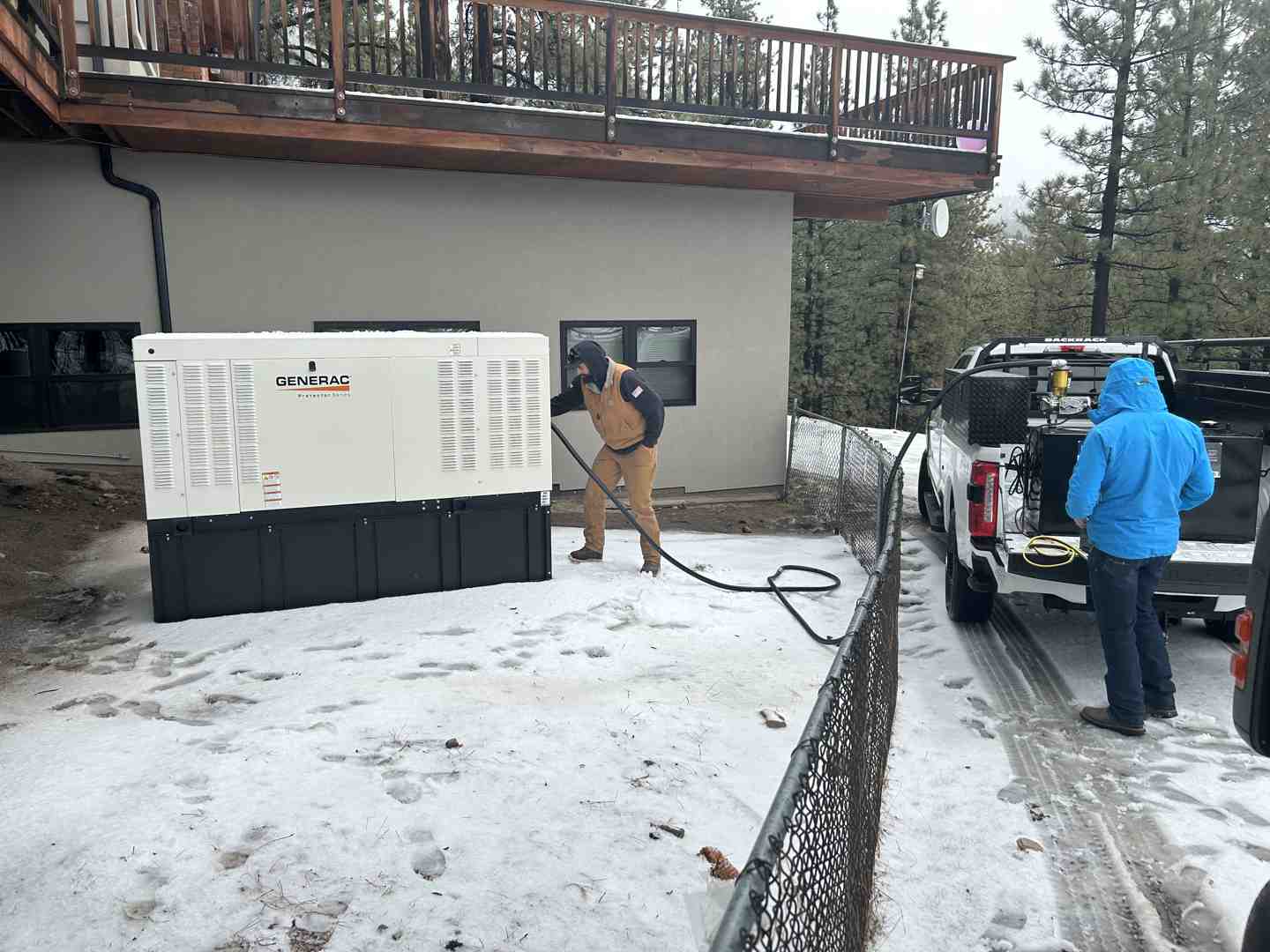
How technicians prepare standby generators for freezing climates
Professional technicians follow specific steps to winterize standby generators properly. They start by inspecting the battery system and connections for corrosion or weakness.
Cold weather kits are essential for freezing climates. These kits include battery warmers that keep the starting system functional in sub-zero temperatures.
Technicians change the oil to winter-grade lubricants. These oils flow better in cold temperatures and protect engine parts during startup.
Fuel system preparation includes adding fuel stabilizers and checking for water contamination. Water in fuel lines can freeze and block fuel flow completely.
They inspect and replace air filters that may be clogged. Clean airflow becomes more critical when engines work harder in cold conditions.
Technicians also check the coolant system and heating elements. These components prevent internal parts from freezing when the generator isn't running.
The benefits of scheduling maintenance before winter storms
Pre-winter maintenance prevents costly emergency repairs during power outages. Scheduled service calls cost less than emergency repairs in freezing weather.
Professional maintenance extends generator lifespan significantly. Regular winter preparation reduces wear on critical components like the engine and electrical systems.
Technicians can identify potential problems before they cause complete failure. Early detection saves money and prevents being without power during storms.
Peace of mind comes from knowing the generator will start when needed most. Professional servicing ensures reliable operation during extended outages.
Warranty protection often requires professional maintenance. Many manufacturers void warranties if homeowners skip recommended professional service intervals.
Technicians have access to genuine parts and specialized tools. They can complete winterization tasks that homeowners cannot safely perform themselves.
Conclusion
Protecting a generator from freezing requires proper planning and regular care. Simple steps can prevent costly damage during cold weather.
Cold weather accessories make a big difference. Battery warmers and coolant heaters help generators start when temperatures drop below freezing.
Regular maintenance prevents most freeze-related problems. Changing oil, cleaning air filters, and checking spark plugs keeps generators running smoothly.
Generators need protection from moisture and snow. Tarps, sheds, or garages provide good shelter from harsh weather conditions.
The right preparation keeps generators ready when power goes out. Taking these steps before cold weather arrives saves time and prevents emergency repairs.
Most freeze damage happens to generators that sit unused for months. Running generators monthly during winter helps identify problems early.
Smart owners prepare their generators before the first freeze. This approach ensures reliable backup power throughout the coldest months of the year.
Schedule a cold-weather generator inspection and full winterization with Mountain West AC for a written, code-compliant plan to prevent freeze damage all season.