

Why How Dry Desert Air Affects HVAC Components Is a Question Every Desert Homeowner Should Ask
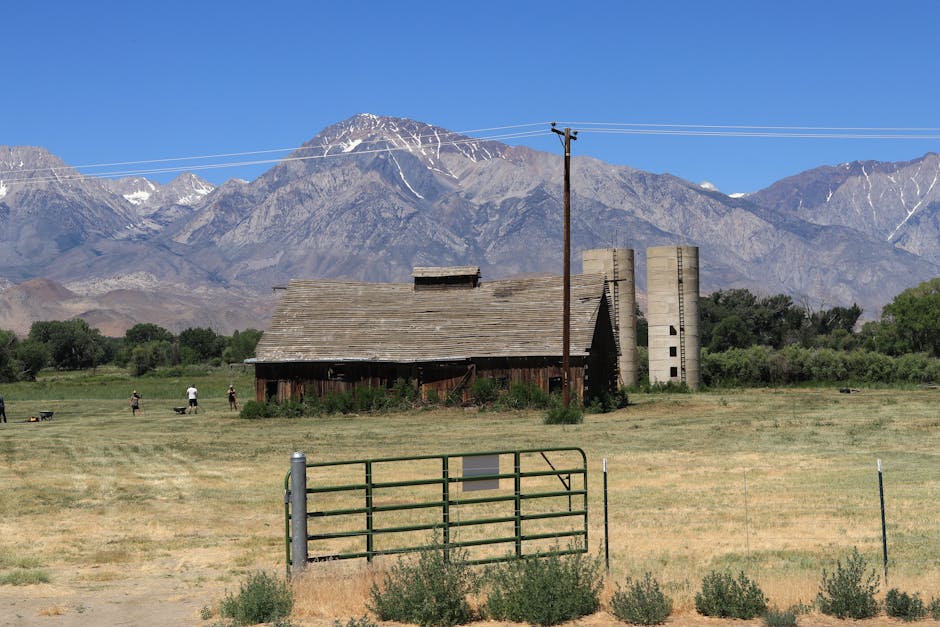
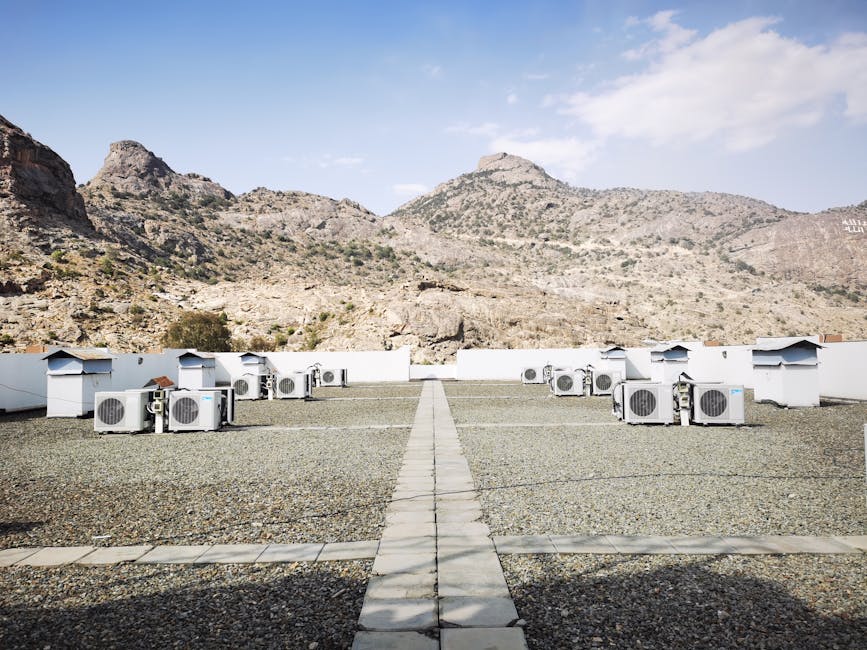
How dry desert air affects HVAC components is something every homeowner in Northern Nevada and the broader desert Southwest needs to understand — because the climate here doesn't just make your system work harder, it actively shortens its life. The combination of extreme heat, ultra-low humidity, abrasive dust, intense UV radiation, and dramatic day-to-night temperature swings creates a relentless set of conditions that most residential HVAC equipment was never specifically designed to handle.
Here's a quick summary of the main ways desert air puts stress on your HVAC system:
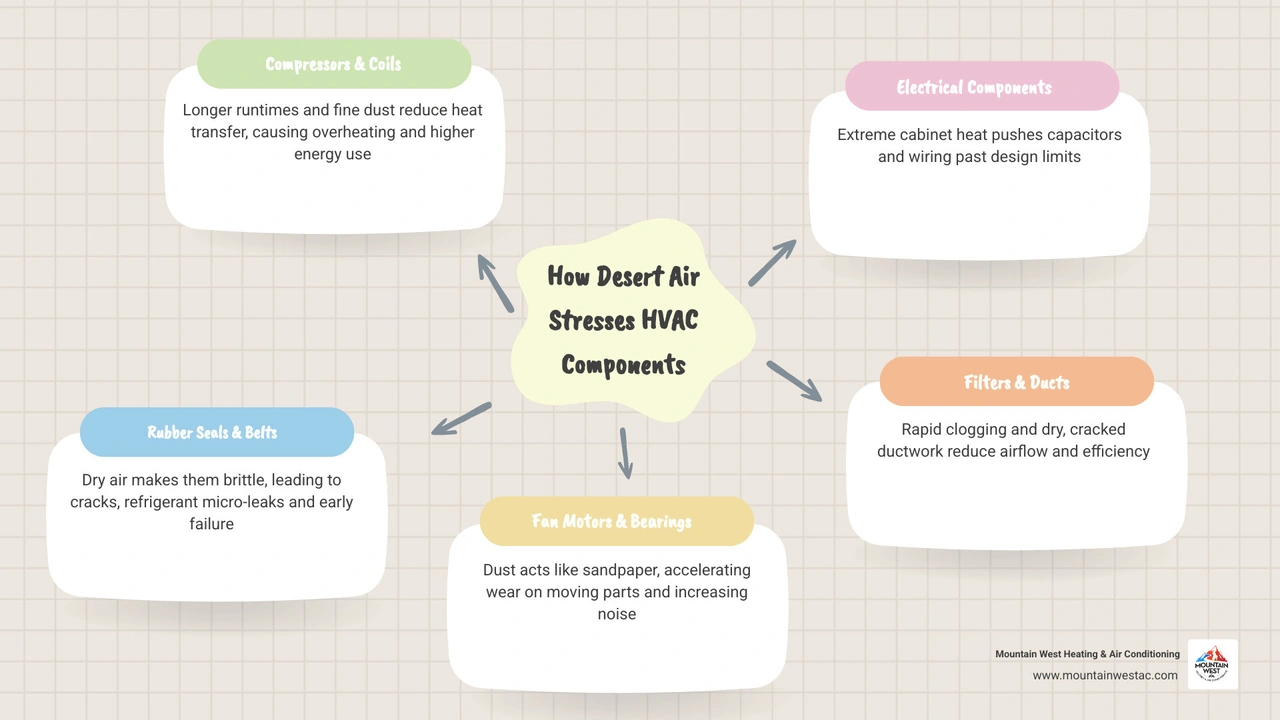
- Compressors run longer and hotter because dry, extreme heat forces them far beyond their rated design temperatures
- Condenser and evaporator coils get coated in fine dust and silica particles, reducing heat transfer and driving up energy use
- Rubber seals and belts dry out and crack faster without ambient moisture, leading to refrigerant micro-leaks
- Fan motors and bearings wear down more quickly as dust acts like sandpaper on moving parts
- Capacitors and electrical components can overheat inside cabinets that regularly exceed their rated temperature limits
- Ductwork and insulation dry out, crack, and leak conditioned air into unconditioned spaces
- Filters clog far faster than in moderate climates, sometimes needing replacement every 30 days during dust season
- System efficiency (SEER rating) degrades measurably each year, with desert systems potentially losing 0.5 to 1.0 SEER points annually
The result? Desert HVAC systems can fail in as few as 10 to 16 years — well short of the 15 to 20 year national average — and they often operate at a fraction of their rated efficiency long before they fully give out.
I'm Andrew Morrell, owner of Mountain West Heating & Air Conditioning, and with over a decade of hands-on experience diagnosing and servicing HVAC systems in Northern Nevada's high-desert climate, I've seen exactly how dry desert air affects HVAC components and accelerates wear in ways that catch homeowners off guard. In the sections below, I'll break down every major threat — from dust-clogged coils to UV-cracked wiring — and walk you through what you can do to protect your system and keep your home comfortable year-round.
How Dry Desert Air Affects HVAC Components in Desert Homes
In places like Reno, Sparks, and Washoe Valley, we deal with a "sensible load" problem. In humid climates, air conditioners spend a lot of energy pulling moisture out of the air (latent cooling). In our neck of the woods, the air is already bone-dry, so the AC focuses almost entirely on lowering the temperature. While that sounds easier, the sheer intensity of the heat and the lack of moisture create a unique set of mechanical stressors.
How dry desert air affects HVAC components like compressors, coils, and seals
The heart of your system is the compressor, and in the high desert, it’s under a constant state of siege. Because the air is dry and hot, the temperature gradient between the outdoor air and the refrigerant is smaller. This creates high head pressure, forcing the compressor to work significantly harder to dump heat outside.
Over time, this intense heat causes the compressor oil to break down. When oil loses its viscosity, it can’t lubricate the internal moving parts effectively, leading to "acidic coke" buildup and eventual mechanical failure.
Meanwhile, the lack of humidity is a silent killer for rubber and plastic parts. In more humid regions, rubber seals, gaskets, and belts stay somewhat supple. In Northern Nevada, these components become brittle and crack. This often results in micro-leaks in the refrigerant lines—leaks so small they are hard to find but large enough to drop your system’s efficiency and cause it to freeze up in the middle of a July afternoon.
How dry desert air affects HVAC components through refrigerant pressure and extreme heat
Most residential AC units are engineered for a "design temperature" of around 95°F. When we hit those 100°F+ days in the Washoe Valley, the system is officially operating outside its comfort zone.
As outdoor temperatures climb, refrigerant density changes. The system has to run longer cycles just to achieve the same cooling effect. This leads to "short cycling" or, conversely, units that run for 10 hours straight without a break. This constant operation at high pressure and high temperature is why we see so many capacitor failures. Capacitors are often rated for 131°F, but inside a metal HVAC cabinet sitting in the Nevada sun, temperatures can easily soar past 150°F, causing the component to literally pop.
Dust, Sand, and Low Humidity: The Desert Threat Most Homeowners Miss
If heat is the hammer, dust is the sandpaper. In our region, dust isn't just "dirt"—it’s often made of fine silica and mineral fragments that are incredibly abrasive.
What dust and sand do to filters, coils, blowers, and ductwork
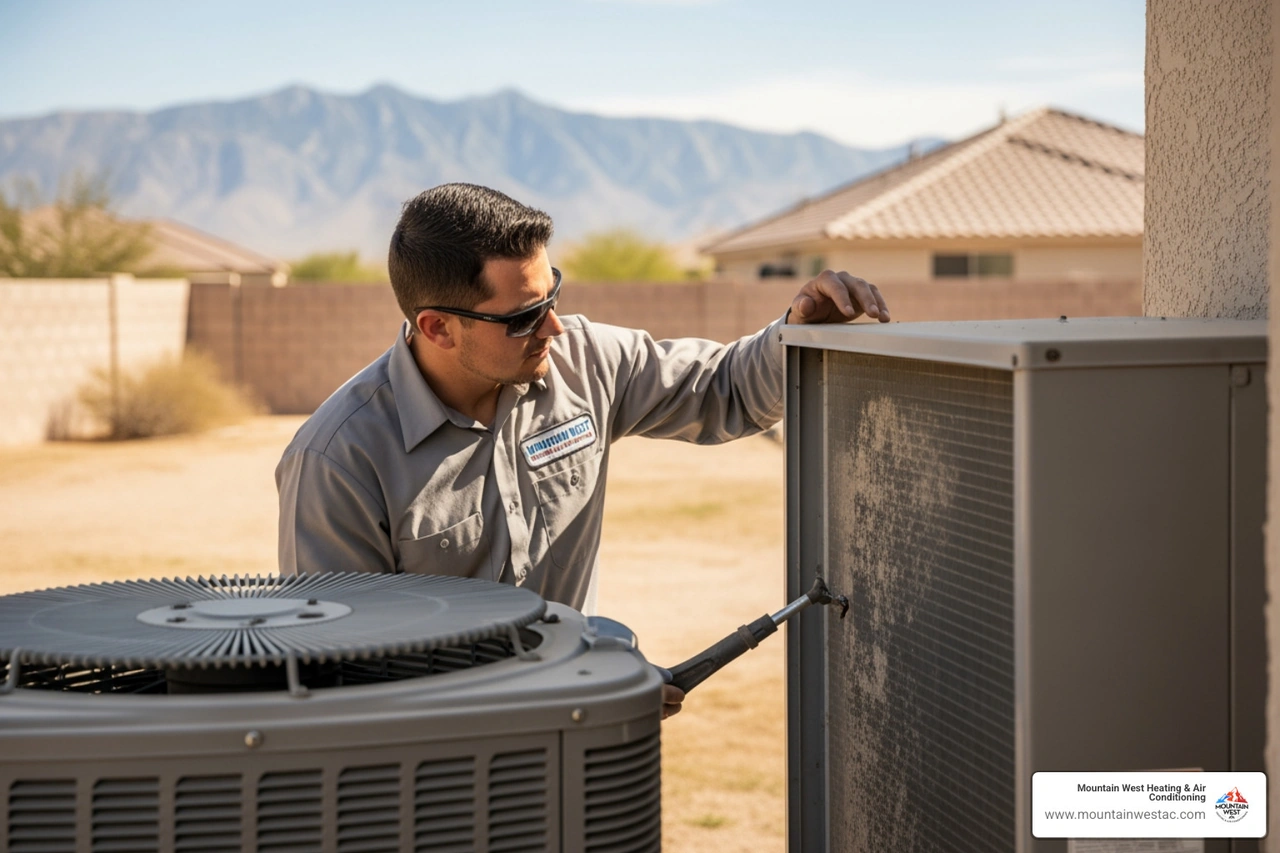
When a dust storm or a heavy wind rolls through the valley, your outdoor condenser coil acts like a giant vacuum filter. These fine particles coat the aluminum fins, creating a layer of "insulation" that prevents the refrigerant from releasing heat. If your coils are dirty, your AC is essentially wearing a winter coat while trying to run a marathon.
Inside the home, this fine dust bypasses cheap fiberglass filters and settles on the evaporator coil and the blower motor. When dust mixes with the small amount of condensation on the indoor coil, it creates a "muddy sludge" or "bio-slime" that can clog your condensate drain line, leading to water damage in your home. Furthermore, dust in the blower assembly adds weight to the fan blades and friction to the bearings, causing the motor to draw more amps and eventually burn out.
To keep your indoor environment healthy and your system running smoothly, understand Why Air Duct Cleaning Is Essential for Maintaining Indoor Air Quality in 2025. Cleaning the "lungs" of your home prevents that accumulated desert grit from recirculating through your living spaces.
How low humidity affects indoor air quality and comfort in desert homes
Low humidity doesn't just hurt the machine; it hurts the people inside. When indoor humidity drops below 30%, you start to notice the "desert itch"—dry skin, irritated sinuses, and those annoying static shocks every time you touch a doorknob.
Dry air also allows airborne particles, viruses, and allergens to stay suspended longer. In a humid environment, moisture clings to dust and pulls it to the ground. In our dry air, those particles float freely, making your HVAC system work overtime to filter them out. We often recommend Indoor Air Quality Services: How to Improve the Air You Breathe at Home to balance these levels, often through whole-home humidification that integrates directly with your ductwork.
Why Desert HVAC Systems Lose Efficiency and Wear Out Faster
The "desert tax" is a real phenomenon. In moderate climates, an AC might log 800 to 1,500 cooling hours a year. In a high-desert summer, that number can skyrocket to 4,000 or 5,000 hours. You are essentially putting four years of "national average" wear on your system every single year you live in Northern Nevada.
Temperature swings and UV exposure accelerate wear on HVAC parts
We also have to deal with the "paperclip effect." Think about what happens when you bend a paperclip back and forth—eventually, it snaps. Our desert climate features daily temperature swings of 30°F to 40°F. This causes the metal components and refrigerant lines to expand and contract aggressively every single day. This thermal cycling leads to metal fatigue and is a primary cause of refrigerant leaks in older systems.
Then there’s the UV index, which often hits 10 or 11 in our high-altitude environment. Intense UV radiation eats through wire insulation, turns plastic fan blades brittle, and even causes the paint and protective coatings on your outdoor unit to flake off, leaving the metal vulnerable to corrosion.
What efficiency loss looks like in high-desert conditions
Because of the heat and dust, your system’s SEER (Seasonal Energy Efficiency Ratio) rating isn't a static number. A unit that started its life as a 16 SEER may be operating like a 10 SEER after a decade of desert abuse.
| Performance Factor | Moderate Climate (e.g., Midwest) | High Desert Climate (Northern NV) |
|---|---|---|
| Annual Cooling Hours | 800 – 1,500 | 4,000 – 5,000 |
| Average Lifespan | 15 – 20 Years | 10 – 16 Years |
| Efficiency Degradation | Minimal | 0.5 – 1.0 SEER Points / Year |
| Filter Change Frequency | Every 90 Days | Every 30 – 45 Days |
| Main Threat | Humidity/Corrosion | Heat/Dust/UV |
Desert HVAC Maintenance That Protects Components and Extends System Life
The good news is that while the desert is tough, it’s not undefeated. Proper maintenance can add years back to your system's life and keep your power bills from spiraling out of control.
The most effective maintenance practices for dry heat and dust
The single most important thing you can do is change your filters. In Northern Nevada, the "every three months" rule doesn't apply. You should check your filter every 30 days. If you live in a high-wind area like Washoe Valley or near new construction in Somersett, you'll likely need to replace it monthly.
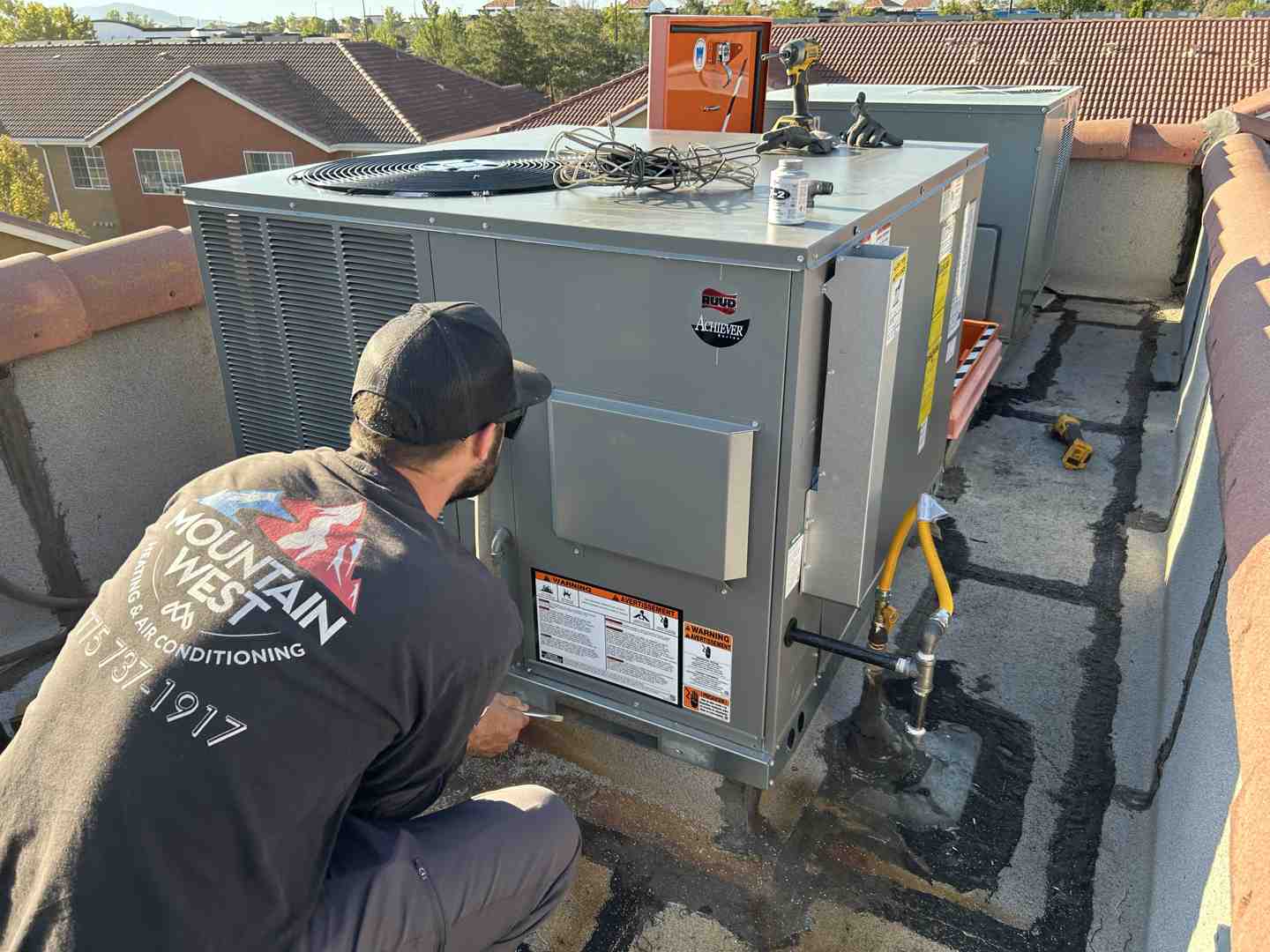
Professional maintenance is also non-negotiable. A proper spring tune-up should include a chemical cleaning of the outdoor coils. Simply spraying them with a garden hose often isn't enough to dislodge the fine silica dust that gets baked onto the fins. We also check refrigerant levels and "amp draws" on motors to catch failing components before they leave you stranded in 100-degree heat. For a full breakdown of what we look for, check out What Does HVAC Maintenance Include? Essential Services for System Longevity.
Home improvements that reduce HVAC strain in arid climates
You can also help your HVAC system by making your home a better "fortress" against the heat. Sealing air leaks is a high-return investment. When your home is leaky, your AC is trying to cool the entire neighborhood. By focusing on The Benefits of Sealing Air Leaks: How to Improve Energy Efficiency in Your Home, you reduce the runtime of your compressor.
Furthermore, ensuring your attic is properly insulated prevents heat from radiating down through your ceiling. We’ve found that How Proper Insulation Can Save on Your Heating and Cooling Bill: A Cost-Effective Energy Solution is one of the best ways to lower the "sensible load" on your AC unit.
Best HVAC Upgrades and Warning Signs for Arid, High-Dust Environments
If you are looking to replace your system or upgrade your current setup, there are specific technologies designed for our climate.
Upgrades and technologies that help HVAC systems perform better in desert conditions
- Variable-Speed Blowers: These allow the system to ramp up and down slowly, providing more consistent airflow and better filtration without the "jolt" of a standard motor.
- Two-Stage Compressors: These run at a lower capacity on 85-degree days and only kick into high gear when it hits 100+, saving a massive amount of wear and tear.
- High-SEER2 Ratings: In Nevada, we recommend at least a 16 SEER rating. The energy savings over the long cooling season pay for the upgrade quickly.
- Whole-Home Humidifiers: These help maintain that 30-50% humidity sweet spot, protecting your wood floors, your skin, and your respiratory health.
- MERV 8-11 Filtration: This range provides the best balance between trapping fine desert dust and maintaining the high airflow your system needs in thin mountain air.
Signs desert dust or dry air is damaging your HVAC system
Don't wait for a total breakdown. Keep an ear and an eye out for these "desert distress" signals:
- Lazy Airflow: If the air coming out of your vents feels weak, your filter or indoor coil is likely choked with dust.
- The "Click of Death": If you hear a rapid clicking or humming from the outdoor unit, your capacitor is likely failing due to heat stress.
- Dust Shadows: If you see dark rings or dust buildup around your supply vents, your ductwork may have leaks that are sucking in attic dust.
- Ice on the Lines: Even when it’s 100°F outside, a system with a dust-clogged coil or low refrigerant (from a dry-air seal leak) can freeze into a block of ice.
- Rising Bills: If your energy bill is 20% higher than last July but the weather was the same, your system's efficiency is dropping.
Conclusion
Living in Northern Nevada means accepting that the environment is beautiful but harsh. Your HVAC system is the only thing standing between you and the relentless high-desert elements. By understanding how dry desert air affects HVAC components, you can take proactive steps to protect your investment.
At Mountain West Heating & Air Conditioning, we live and work in the same conditions you do. Whether you’re in Reno, Carson City, or right here in Washoe Valley, we know exactly what your system is up against. From specialized coil cleanings that remove stubborn desert grit to installing high-efficiency systems that laugh at 100-degree days, we’re here to keep your home a sanctuary.
Don't let the desert air win the battle of attrition. More info about hvac services is just a click away—let’s make sure your system is ready for whatever the Nevada sky throws at it. Give us a call today to schedule your preventative maintenance and breathe easier knowing your comfort is in expert hands.