

Worried about power outages from unpredictable weather? Who specializes in generator readiness in Washoe Valley, NV?
Generator readiness for unpredictable weather is one of the most important steps any homeowner can take before storm season arrives. Whether you're facing high winds, flooding, freezing temperatures, or a multi-day power outage, having a generator that's actually ready to run — not just sitting in the garage — makes all the difference.
Here's a quick overview of what storm-ready generator prep looks like:
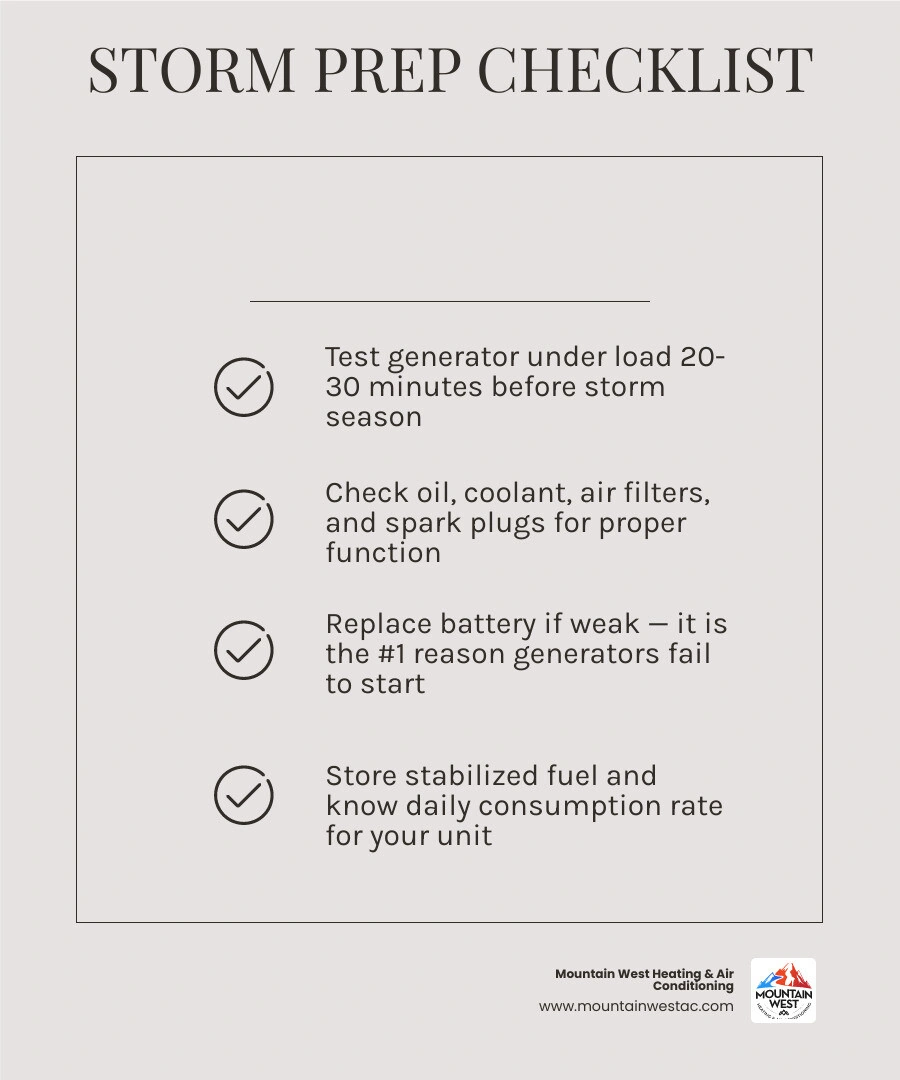
- Test your generator with a 20–30 minute run under load before storm season begins
- Check fluid levels including oil and coolant, and replace filters if needed
- Inspect the battery — battery failure is the #1 reason generators don't start when needed
- Stock adequate fuel with a stabilizer added, and know your generator's daily consumption
- Place it safely at least 20 feet from doors, windows, and vents — never indoors
- Install CO detectors on every level of your home before you ever pull the starter cord
- Have a backup plan in case your primary generator fails during an extended outage
Power outages from severe weather can last anywhere from a few hours to several weeks. FEMA plans for outages of up to 30 days in worst-case scenarios, and Florida emergency management recommends preparing for at least 7 full days of self-sufficiency after a major storm. With AccuWeather forecasting 11–16 named Atlantic storms for the 2026 season, the pressure to prepare early has never been greater.
The good news is that most generator failures during storms are preventable. A little attention before the weather turns can keep your home powered, your family safe, and your stress levels manageable.
I'm Andrew Morrell, owner of Mountain West Air Conditioning & Heating, and I've spent over a decade helping Northern Nevada homeowners keep their homes running reliably through some of the region's most demanding weather conditions. Generator readiness for unpredictable weather is something I take seriously, and in this guide I'll walk you through exactly what to do — and when to do it — so you're not scrambling when a storm is already on its way.
Weather Risks and Generator Readiness for Unpredictable Weather

Northern Nevada weather is nothing if not unpredictable. Homeowners from Reno and Sparks up to Incline Village and down through Washoe Valley know that our climate can swing from blazing summer heat and wildfire threats to heavy mountain snows and intense windstorms within a matter of days. To achieve true generator readiness for unpredictable weather, we first have to understand the specific physical threats that extreme weather poses to our backup power systems.
High Winds
High winds are a frequent guest in places like Caughlin Ranch, Arrowcreek, and the Virginia Foothills. Winds exceeding 50 miles per hour can easily turn unsecured outdoor items, tree branches, and patio furniture into high-velocity projectiles. If your generator enclosure is not securely bolted down, or if your portable unit is left exposed, wind-blown debris can dent the casing, smash control panels, or clog air intakes. Furthermore, high winds can rip loose solar panels from their mounts or knock down overhead utility lines, leaving you dependent on your generator for days on end.
Flooding and Water Intrusion
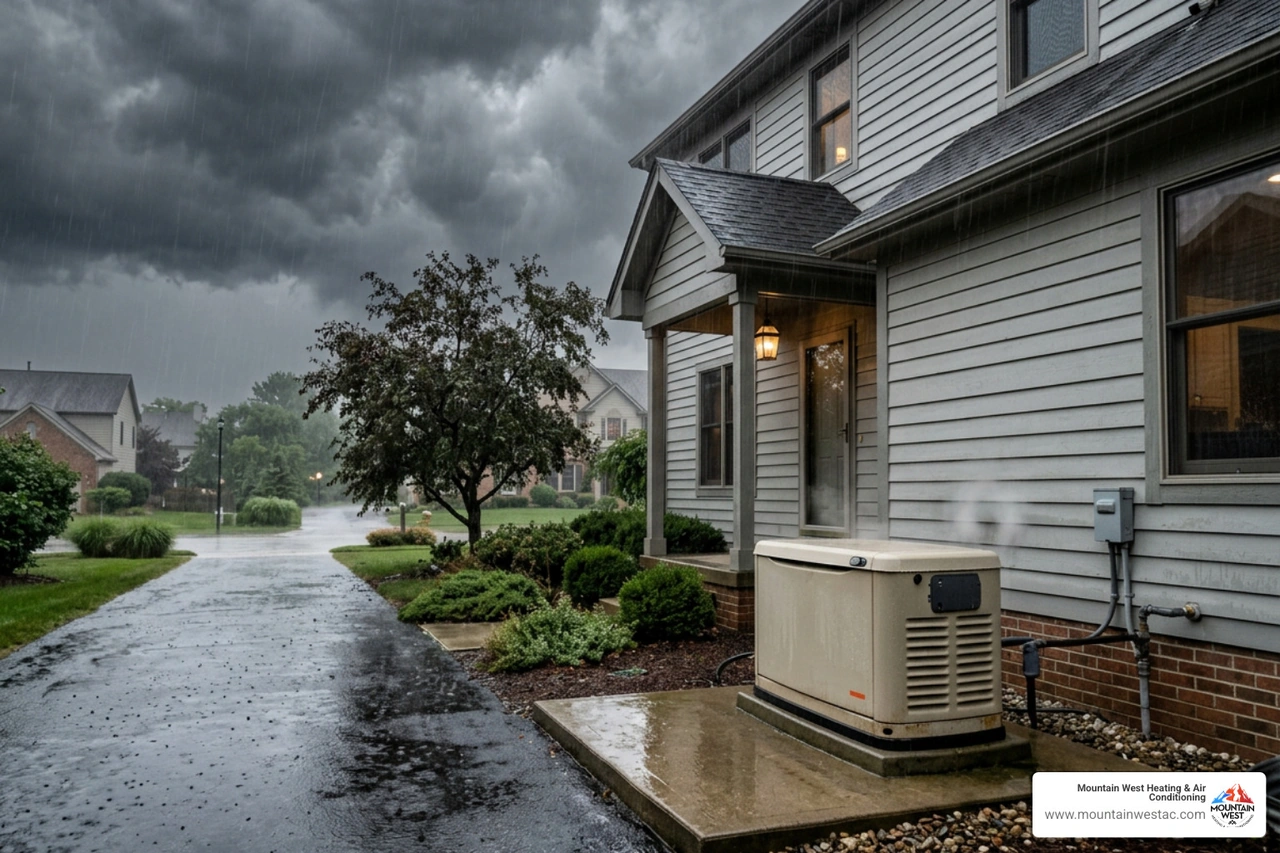
Water is the natural enemy of any electrical system. Whether it's sudden downpours in Dayton or rapid snowmelt flooding areas of Carson City, water intrusion can ruin a generator in seconds. When water enters the alternator or the control panel, it causes immediate electrical short circuits, rendering the unit useless. Worse yet, operating a generator in wet conditions presents a severe risk of electrocution to anyone nearby. Portable generators are especially vulnerable because they lack the heavy-duty, weather-sealed enclosures found on permanent standby units.
Freezing Temperatures
In Northern Nevada, winter is always just around the corner. Freezing temperatures can thicken engine oil, reduce battery capacity by up to 50%, and cause moisture in fuel lines to freeze, completely blocking fuel delivery. If your generator is not prepared for the winter cold, it simply won't start when a heavy snowstorm brings down the local power grid. To keep your system running smoothly through the coldest months, check out our guide on How to Protect Your Generator from Freezing This Winter.
Lightning Strikes and Electrical Surges
Summer thunderstorms in our high-desert climate bring spectacular but dangerous lightning. A nearby lightning strike can send a massive electrical surge through your home's wiring, frying the automatic transfer switch (ATS) or the generator's internal control board. Protecting your equipment requires proper grounding and, ideally, high-quality surge protection installed at your electrical panel.
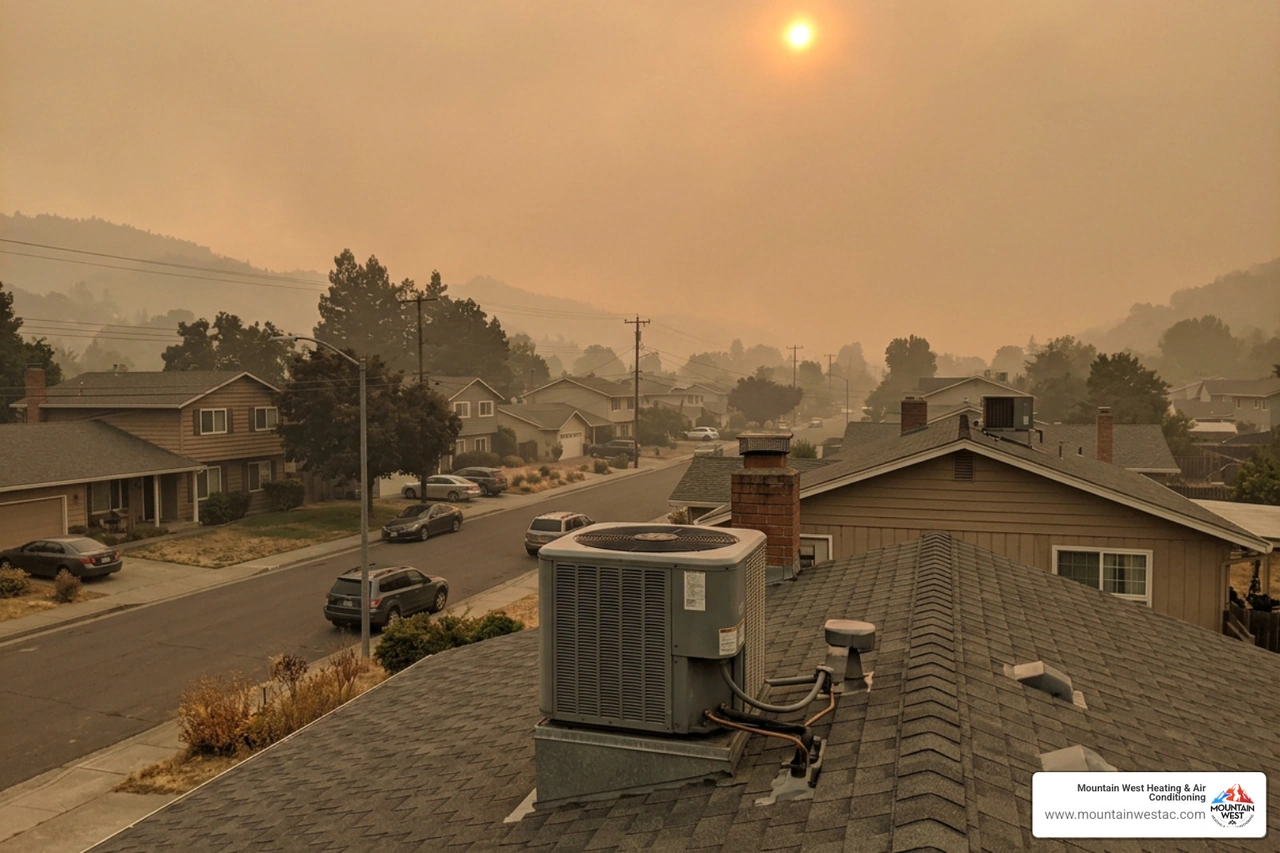
Additionally, our dry, windy summers bring a completely different kind of emergency: wildfires. When utility companies shut down power lines to prevent fires during high-wind events, having a dependable generator becomes a necessity rather than a luxury. Learn more about your options by reading Do You Need a Standby Generator for Wildfire Season.
Assessing Your Generator Readiness for Unpredictable Weather Risks
How do you know if your current setup can handle these diverse environmental threats? Proper assessment means looking at where your generator is installed, how it is protected, and what vulnerabilities exist.
- Wind Damage Mitigation: Ensure your standby generator's concrete pad is level, stable, and securely bolted. For portable units, identify a heavy, wind-sheltered outdoor spot where the generator can be chained or anchored during use so it doesn't tip over or blow away.
- Water Intrusion Prevention: Never place a generator in a low-lying area of your yard where water naturally pools. If you live in a flood-prone zone, standby generators should be installed on elevated concrete pads. Portable units must be elevated off the wet ground (using a level, non-combustible platform) and protected from falling rain or snow using a specialized, open-sided generator tent.
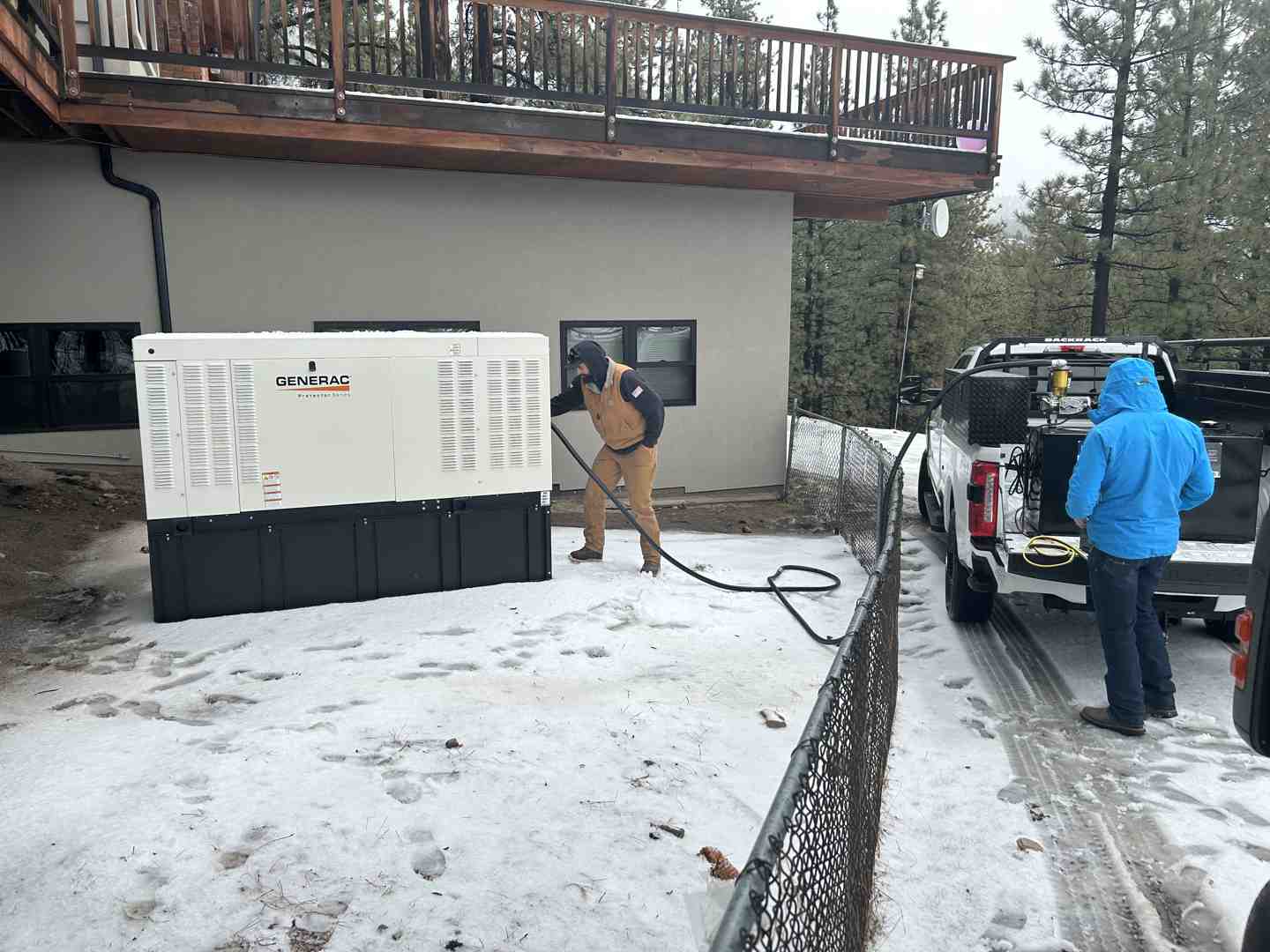
- Extreme Cold Defense: If you live in high-altitude areas like Verdi, Incline Village, or VC Highlands, you should equip your standby generator with a cold-weather kit. These kits include thermostatically controlled battery warmers and oil heaters that activate automatically when temperatures plunge, ensuring the engine can turn over effortlessly.
By taking the time to assess these risks before a storm warning is issued, you can choose the right system and accessories to keep your home safe. For a deeper look at your backup options, explore Reliable Backup Power Solutions for Your Home in 2026.
Pre-Storm Maintenance and Testing Best Practices
A backup generator is not a "set it and forget it" appliance. Like a car, it relies on an internal combustion engine that requires routine maintenance to remain reliable. When a severe storm is brewing, you don't want to find out that your generator has a dead battery or clogged filters. Implementing a proactive maintenance routine is the cornerstone of generator readiness for unpredictable weather.
Battery Health: The Number One Point of Failure
Ask any experienced technician, and they will tell you that a dead or weak battery is the single most common reason a generator fails to start during an emergency. Standard lead-acid batteries used in standby generators have a reliable lifespan of only two to three years. Over time, they lose their ability to hold a charge, especially when exposed to extreme cold or heat.
- Inspection: Check battery terminals for white, powdery corrosion. Clean any buildup with a wire brush and a mixture of baking soda and water.
- Testing: Use a battery load tester to verify that your battery can handle the high-crank demand of starting the engine. If your battery is older than two years, replace it proactively before storm season arrives.
Fluid Levels and Oil Clarity
Your generator’s engine needs clean oil and adequate coolant (for liquid-cooled models) to run safely for extended periods. Running a generator with low or dirty oil can cause permanent engine damage or trigger an automatic shutdown right when you need power most.
- Check the dipstick: Ensure the oil level is within the safe operating range.
- Assess oil quality: If the oil is dark, gritty, or has been in the engine for more than 100 operating hours (or more than a year), drain it and refill with fresh synthetic oil of the viscosity recommended for your local climate.
- Keep spares on hand: During a prolonged outage, you will need to check the oil daily and top it off. Always stock several quarts of the correct oil and spare oil filters on your garage shelves.
Air and Fuel Filters
A clogged air filter starves the engine of oxygen, reducing its efficiency and causing it to run rough or stall. Similarly, a dirty fuel filter restricts fuel flow, preventing the generator from handling heavy electrical loads. Inspect both filters before storm season. Clean or replace them if they show signs of dirt, dust, or debris accumulation.
To understand why these maintenance steps are so critical to your system's performance, read our detailed article: Is Your Generator Ready for the Next Storm? Why Load Testing Matters. If you want to dive deeper into the technical side of ensuring your unit can handle your home's electrical demand, see Generator Load Testing: How to Ensure Your System Handles the Power Load.
Pre-Season Testing and Generator Readiness for Unpredictable Weather
The absolute best way to guarantee your generator will perform during a real power outage is to perform a comprehensive test run under realistic conditions.
- The 20-Minute Test Run: At least once a month, start your generator and let it run for 15 to 20 minutes. This circulates oil through the engine, keeps seals lubricated, charges the battery, and burns off any moisture that has accumulated inside the alternator.
- Testing the Automatic Transfer Switch (ATS): For standby generators, a monthly test should include simulating a utility power failure. This verifies that your ATS successfully detects the loss of power, starts the generator, and transfers your home's electrical load seamlessly.
- Professional Load Bank Testing: For larger standby systems, an annual load bank testing service is highly recommended. This process uses an external machine to force the generator to operate at 100% of its rated capacity for several hours. It burns off unburnt fuel deposits (a common issue known as "wet stacking") and proves beyond a doubt that the system can handle its full electrical design load without overheating or failing.
By checking these boxes early, you can rest easy knowing your system is fully prepared. To learn more about setting up a robust home backup system from scratch, check out Emergency Backup Generator Installation: Essential Steps for Home Preparedness.
Fuel Management and Capacity Planning for Extended Outages
During an extended power outage, fuel is gold. If you run out of fuel, your generator becomes nothing more than an unusable lawn ornament. Planning your fuel strategy requires understanding exactly how much power you need, how much fuel your unit consumes, and how to store that fuel safely.
Preparing for an extended outage has become even more critical. Running a large generator continuously can quickly consume a significant amount of fuel, making efficiency and planning essential.
The table below illustrates the dramatic difference in fuel consumption between a small portable unit running essential appliances intermittently and a larger home generator running continuously under a moderate load:
| Generator Size / Type | Typical Use Case | Fuel Consumption (Approx.) | 7-Day Fuel Requirement |
|---|---|---|---|
| 3,500W Inverter Generator | Essentials only (refrigerator, lights, device charging) run intermittently | 1.0 – 1.5 gallons per day | 7 – 10 gallons |
| 7,500W Portable/Standby | Moderate home load (fridge, select HVAC, well pump) run continuously | 12 – 20 gallons per day | 84 – 140 gallons |
Gasoline vs. Propane: The Dual-Fuel Advantage
Given the need for reliable fuel options, dual-fuel generators have become incredibly popular. These units can run on both gasoline and liquid propane (LPG).
- Gasoline: Highly convenient and delivers slightly more power per gallon, but it degrades quickly. Standard gasoline begins to break down in as little as 30 days, leading to gummy deposits that clog carburetor jets.
- Propane: Stores indefinitely without degrading, making it the perfect emergency fuel. Propane tanks don't gum up engines, and propane is often easier to find immediately after a major storm when gas station pumps are down due to localized power outages.
Fuel Stabilizers and Fuel Polishing
If you choose to store gasoline for your portable generator, always add a high-quality fuel stabilizer to the container immediately after filling it at the pump. This can extend the shelf life of the gasoline up to 12 to 24 months.
For large diesel-powered standby generators, fuel degradation is also a serious threat. Moisture can accumulate inside large diesel tanks, leading to microbial growth (often called "fuel algae") that clogs fuel lines and fuel injectors. Professional fuel polishing services can clean and filter your stored diesel fuel, removing water and sediment to ensure the fuel remains highly combustible.
To learn how to manage your generator's run time to conserve fuel and prevent engine wear during a prolonged outage, check out our guide: How Long Can a Generator Run Without a Break? Tips for Continuous Backup Power.
Safe Operation and Carbon Monoxide Prevention
Operating a generator brings incredible convenience, but it also carries serious safety responsibilities. The most critical safety hazard associated with generator use is carbon monoxide (CO) poisoning. Carbon monoxide is a colorless, odorless, and tasteless gas produced by the generator's engine exhaust. It can build up to lethal levels in enclosed or semi-enclosed spaces within minutes, making proper placement a matter of life and death.
Safe Placement Guidelines
To protect your family from the silent threat of carbon monoxide, follow these strict rules:
- The 20-Foot Rule: Always operate your generator outdoors, at least 20 feet away from your home, including any doors, windows, vents, or crawlspace openings.
- Exhaust Direction: Always point the generator's exhaust pipe away from your home and any neighboring structures.
- Never Indoors: Never run a generator inside a garage, basement, crawlspace, shed, or covered porch, even if the doors and windows are wide open. Standard household fans cannot clear CO gas from these areas.
- Install CO Detectors: Install battery-operated carbon monoxide detectors on every level of your home, especially near sleeping areas. Test these detectors regularly and replace their batteries annually.
Wet Weather Operation Safety
Because water and electricity are a deadly combination, operating a portable generator in active rain or snow is highly hazardous.
- Avoid Tarps: Never drape a plastic tarp directly over a running generator. Tarps trap heat, block critical ventilation, and can easily melt or catch fire on a hot exhaust pipe.
- Use Purpose-Built Covers: If you must run a portable generator in wet weather, use a specialized, open-sided generator tent (such as a GenTent storm shield). These covers protect the electrical outlets and alternator from falling moisture while allowing plenty of fresh air to circulate around the engine to prevent overheating.
- Keep it Elevated: Place the generator on a flat, level surface elevated off the wet ground to prevent water from pooling around the electrical components.
If you are trying to decide which type of system is best suited for your safety and convenience needs, our comparison articles can help. Read Portable vs Standby Generator: Essential Factors to Consider for Reliable Home Backup Power or check out the Whole Home Generator vs Portable Generator Comparison to find the perfect fit for your home.
Frequently Asked Questions about Generator Storm Preparedness
What should I do if my generator is damaged by flooding?
If your generator has been submerged or heavily splashed by floodwaters, do not attempt to start it. Trying to crank a wet generator can cause catastrophic electrical short circuits, permanently ruining the alternator, and poses a severe risk of electrocution.
First, disconnect the battery (if equipped) to prevent any electrical current from flowing. Move the unit to a dry, covered area. If you are comfortable doing so, remove the spark plug and gently pull the starter cord to see if water has entered the engine cylinder. If water shoots out, the engine is hydrolocked and will require deep cleaning.
Before attempting to use the generator again, have it thoroughly inspected, dried, and tested by a professional technician. They will clean the electrical windings, check the oil for water contamination, and verify that the control panel is safe to operate.
How can I create a reliable backup plan if my primary generator fails?
No machine is 100% foolproof. If your primary generator fails during a major storm, having a secondary backup plan is essential for your comfort and safety.
A great strategy is to pair a fuel-powered generator with a portable battery power station (often called a solar generator). These battery units can be kept safely indoors to power highly sensitive electronics, medical devices, and cell phones, allowing you to save your fuel-powered generator for heavy-duty tasks like running your refrigerator or heating system.
Additionally, practice strict power conservation: keep your refrigerator and freezer doors closed as much as possible. A closed refrigerator will keep food safe for up to 4 hours, and a full, closed freezer can maintain safe temperatures for up to 48 hours without power.
Can I run a portable generator in heavy rain or high winds?
No, you should never run an unprotected portable generator in heavy rain or high winds. Running a generator in wet conditions creates a serious risk of electrocution and can permanently damage the unit's electrical components. High winds can blow rain horizontally into the engine intakes or tip the generator over, creating a fire hazard.
If you must run a generator during bad weather, you must use a certified, weatherproof, open-sided generator cover designed to handle high winds and heavy precipitation. If the winds are severe enough to turn loose debris into projectiles, it is safest to shut down the generator and wait inside until the worst of the storm passes.
Conclusion
When unpredictable weather strikes Northern Nevada, having a reliable generator is your home's ultimate line of defense. From the high winds of Reno and Sparks to the freezing winter snows of Washoe Valley and Incline Village, generator readiness for unpredictable weather ensures that your household remains safe, warm, and comfortable no matter what the local forecast brings.
Taking the time to perform routine maintenance, test your system under load, manage your fuel supplies, and practice safe operating procedures will save you from major headaches when the utility grid goes dark.
If you want to ensure your home is fully prepared with a professionally installed, code-compliant backup power system, we are here to help. Contact Mountain West Air Conditioning & Heating today to schedule your consultation. Learn more about the process by reading Getting a Home Generator Installation: Essential Steps for Reliable Backup Power, or visit our dedicated service page at Mountain West Heating & Air Conditioning Generator Services to book an appointment with our experienced team.