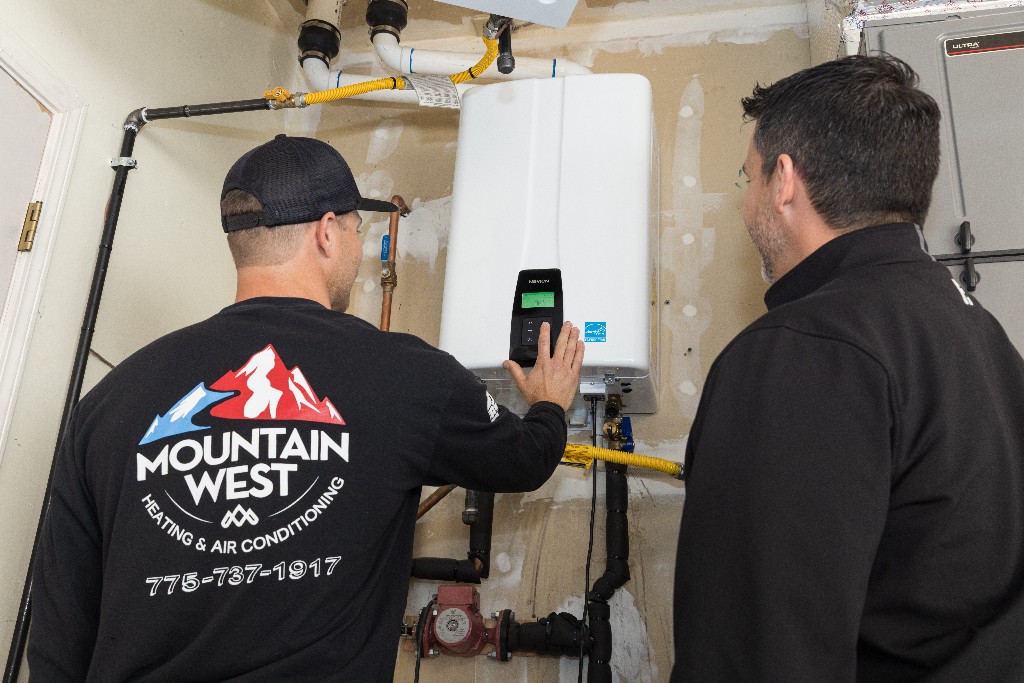
Water Heater Inspection & Testing in Empire, NV
Water Heater Inspection & Testing in Empire, NV. Diagnose noises, leaks, or no hot water. Prevent costly breakdowns.
Is Your Empire Water Heater Making Strange Noises or Running Out of Hot Water?
Is your water heater in Empire making alarming banging noises, struggling to provide enough hot water for your morning routine, or suddenly spiking your utility bills thanks to our hard desert water? Ignoring these warning signs often leads to more significant problems, from complete system failure during a cold snap to costly leaks that can damage your home. Mountain West Heating and Air Conditioning is your trusted, locally owned partner, ready to provide expert water heater inspection and testing services whenever you need us.
Warning Signs Your Water Heater Needs Professional Attention
When a water heater starts to struggle, it rarely fails without giving you a few hints first. Catching these symptoms early can mean the difference between a simple adjustment and a flooded garage. Here is what you should be looking and listening for.
Strange Noises from the Tank
You might hear unsettling banging, popping, rumbling, or even hissing sounds coming from your water heater, particularly when it is actively heating water. It often sounds like rocks tumbling inside the metal tank. This is almost always a sign of sediment buildup at the bottom of the tank, which is a frequent issue in our area.
As the heating element attempts to warm the water, it also heats these mineral deposits, causing them to expand and contract to create that noise. This sediment acts as an insulator, forcing your equipment to work harder and consume more energy. If ignored, it can damage the tank lining, cause premature failure, and potentially lead to leaks.
Reduced Hot Water Supply or Fluctuations
You might find your hot water running out much faster than usual, or the temperature fluctuates wildly from hot to lukewarm to cold. This can happen even during short showers or basic dishwashing cycles. Several factors cause this, including a failing heating element, a faulty thermostat, a broken dip tube, or significant sediment buildup reducing the tank capacity.
Beyond the obvious daily inconvenience, reduced hot water indicates a system struggling to keep up with basic demands. This leads to increased energy consumption and accelerates wear and tear on internal components. Eventually, this leads to a complete breakdown that requires emergency intervention or a full water heater installation and replacement.
Rust-Colored or Cloudy Water
When you turn on your hot water faucet, the water might appear rusty, brownish, or cloudy, sometimes with small particles floating in the stream. This is particularly noticeable in older homes throughout Empire where aging plumbing infrastructure meets hard water. Rust-colored water typically indicates active corrosion inside the water heater tank or the pipes leading directly to it.
Cloudy water can also point to heavy sediment issues or mineral deposits breaking loose. Internal corrosion weakens the structural integrity of the tank, inevitably leading to leaks and eventual tank failure. A professional inspection determines if the rust is an isolated tank issue or a broader plumbing problem.
Leaks or Puddles Around the Tank Base
You might discover small puddles of water around the base of your water heater, or notice visible rust streaks and heavy corrosion on the exterior connections. Leaks can originate from various points, including the pressure relief valve, drain valve, inlet connections, or a hairline crack in the tank itself. Corrosion almost always precedes these leaks, especially around aging fittings.
Even a minor drip can cause significant water damage to your flooring and walls over time, fostering mold growth and compromising structural elements. A leaking tank usually means the unit is beyond repair and requires immediate water heater repair and service.
Higher Than Normal Utility Bills
Without any changes in your household water usage, your monthly utility bills might be noticeably higher than usual. You should strongly suspect your water heater is the culprit if you are already noticing other signs of inefficiency like slow heating times. An inefficient water heater works harder and longer to heat water, consuming significantly more energy.
This excessive energy draw can be due to severe sediment buildup, a failing heating element, a faulty thermostat, or degraded tank insulation. An inefficient system is quietly costing you money every single day. A professional inspection pinpoints the exact cause of the inefficiency, potentially saving you hundreds of dollars annually.
What Is Causing Your Water Heater Problems?
Understanding why your water heater is acting up helps you make informed decisions about how to fix it. We see a lot of the same issues pop up repeatedly in our local area. Here are the most common culprits behind your hot water headaches.
Sediment Accumulation from Hard Water
Over time, minerals dissolved in the water naturally settle at the bottom of your water heater tank. This is particularly common in Empire due to the hard water found in our high-desert environment. The arid climate and geological composition mean that tap water naturally contains higher levels of dissolved calcium and magnesium.
This leads to more rapid and pronounced sediment buildup compared to areas with softer water supplies. Regular flushing and professional cleaning of the water heater tank can remove this stubborn sediment. In some cases, we might discuss a water softening system as a long-term solution to protect your plumbing.
Aging Components and Lack of Maintenance
Like any major appliance, water heaters have a finite lifespan and their internal components wear out over time. Heating elements, thermostats, anode rods, and pressure relief valves simply degrade after years of continuous use. Many established homes in our area have older water heaters that have not received consistent, proactive maintenance.
Because we often prioritize longevity and cost-effective solutions, systems are sometimes run until failure. A thorough inspection identifies failing components that can be easily replaced, extending the usable life of the unit. If the unit is simply too old, replacing it might be the most cost-effective long-term solution.
Corrosion Inside the Tank
The inside of a water heater tank is lined to prevent corrosion, and a sacrificial anode rod is installed to attract rust away from the tank walls. Over many years, especially with our hard water conditions, this protection eventually fails. Hard water accelerates the degradation of the anode rod, leaving the tank highly vulnerable to internal rust.
Older tanks are even more susceptible as their protective glass linings slowly wear down from constant thermal expansion. Replacing a depleted anode rod early can prevent further corrosion and save the tank. However, if significant internal corrosion has already occurred, the tank itself will likely need to be replaced.
Faulty Thermostat or Heating Elements
The thermostat regulates your target water temperature, while the heating elements or gas burners do the actual heavy lifting of warming the water. If either of these critical components malfunctions, your water heater simply will not heat water effectively or consistently. We often find that a single burnt-out element is the sole reason a home only gets lukewarm water.
A certified technician can quickly diagnose and replace faulty thermostats or heating elements, instantly restoring the water heater's performance. For gas units, this diagnostic process also ensures the burners are firing cleanly and safely.
What to Expect During Your Inspection
When you schedule a water heater inspection and testing with Mountain West Heating and Air Conditioning, you can expect a thorough, professional service from a certified technician. Our team understands the unique challenges of maintaining home comfort in the Washoe Valley community, and we treat your home with total respect. Your technician will arrive on time, ready to assess your system, and begin by visually inspecting the entire unit for any visible signs of leaks, rust, or corrosion.
We then test the temperature and pressure relief valve to ensure it is functioning correctly, as this is a critical safety mechanism for your home. We also check the condition of the anode rod, which is vital for preventing internal tank corrosion against our harsh local water. For gas water heaters, we carefully inspect the burner assembly, flue pipe, and gas line connections to guarantee safe and efficient operation.
Electric units will have their heating elements and thermostat tested with specialized multimeters for proper electrical draw and functionality. Finally, we test the output water temperature, flush the tank to remove sediment buildup, and provide you with a detailed report of our findings. We will clearly explain any recommendations for maintenance or water heater repair and service so you can make an informed decision.
Related Services for Complete Home Safety
Maintaining a comfortable and safe home often involves more than just keeping an eye on your water heater. If our inspection reveals that your current unit is beyond repair or nearing the end of its safe operational life, our team can discuss professional water heater installation and replacement options that fit your home and budget. Additionally, for homes utilizing natural gas or propane, regular gas line inspection and testing is crucial to ensure the safety and integrity of your fuel supply system.
The True Cost of Ignoring Water Heater Problems
Ignoring the warning signs from your water heater is not just a daily inconvenience; it can lead to significant safety risks and rapidly escalating costs. A neglected water heater can fail catastrophically, resulting in a ruptured tank that dumps dozens of gallons of water into your home. This causes extensive water damage to your home's structure, flooring, and personal belongings, resulting in a repair bill far more costly than a simple proactive inspection and testing.
Beyond severe property damage, issues like gas leaks or poor ventilation from faulty gas water heaters pose serious health and safety hazards, including the risk of carbon monoxide exposure. Furthermore, an inefficient water heater struggling with heavy sediment buildup will continuously consume more energy than necessary. By addressing minor issues early through inspection and testing, you protect your home, your family's safety, and your wallet from unexpected emergencies.
Ready to Restore Your Hot Water?
Do not let water heater worries disrupt your daily routine or put your Empire home at risk. Catching a failing component early is the smartest way to avoid a cold shower or a flooded utility closet. Our certified technicians have the hands-on experience to diagnose your system accurately and provide straightforward, honest solutions.
Mountain West Heating and Air Conditioning is proud to be a locally owned and operated fixture of the Washoe Valley community, dedicated to providing technical excellence and integrity. If you are experiencing any issues with your hot water or simply want the peace of mind that comes with a clean bill of health, contact us today to schedule your professional water heater inspection and testing.
Other Water Heaters Services
- Water Heater Repair & Service
- Water Heater Installation & Replacement
- Water Heater Maintenance & Tune-Up
- Water Heater Inspection & Testing
- Water Heater Emergency Repair
Why Choose Us
- 8+ Years of Experience
- Licensed & Insured
- Upfront Pricing
- 100% Satisfaction Guarantee
- Same-Day Service Available
Service Gallery
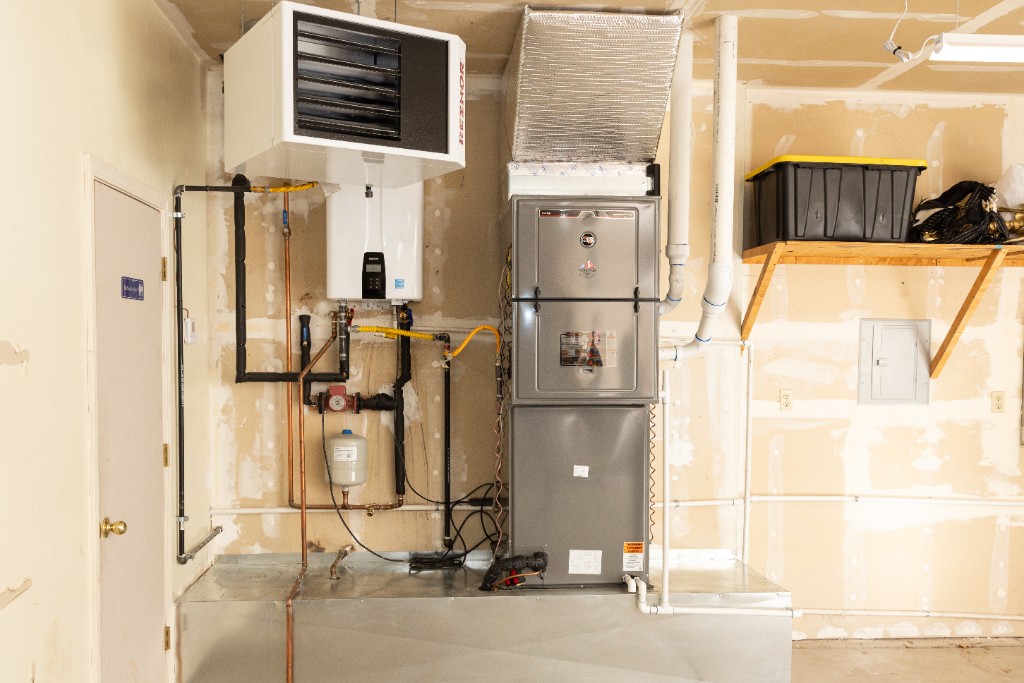
Precision installs — heating, cooling, and water heating
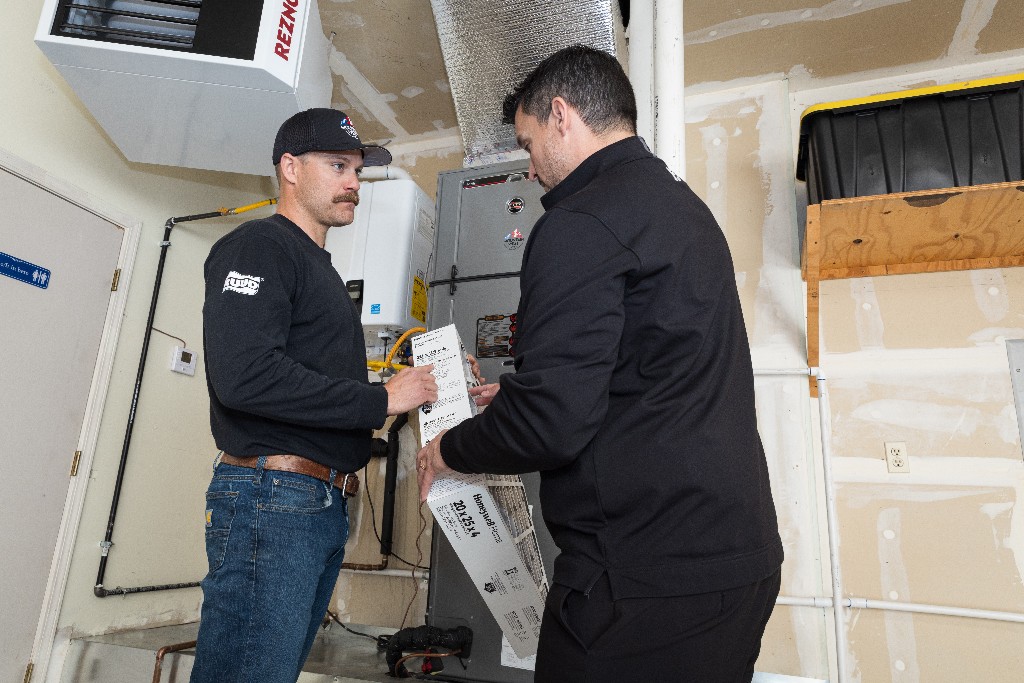
Water heater service and high-efficiency upgrades
Related Services
Ready to Get Started?
Contact us today for a free estimate on your {title} needs.