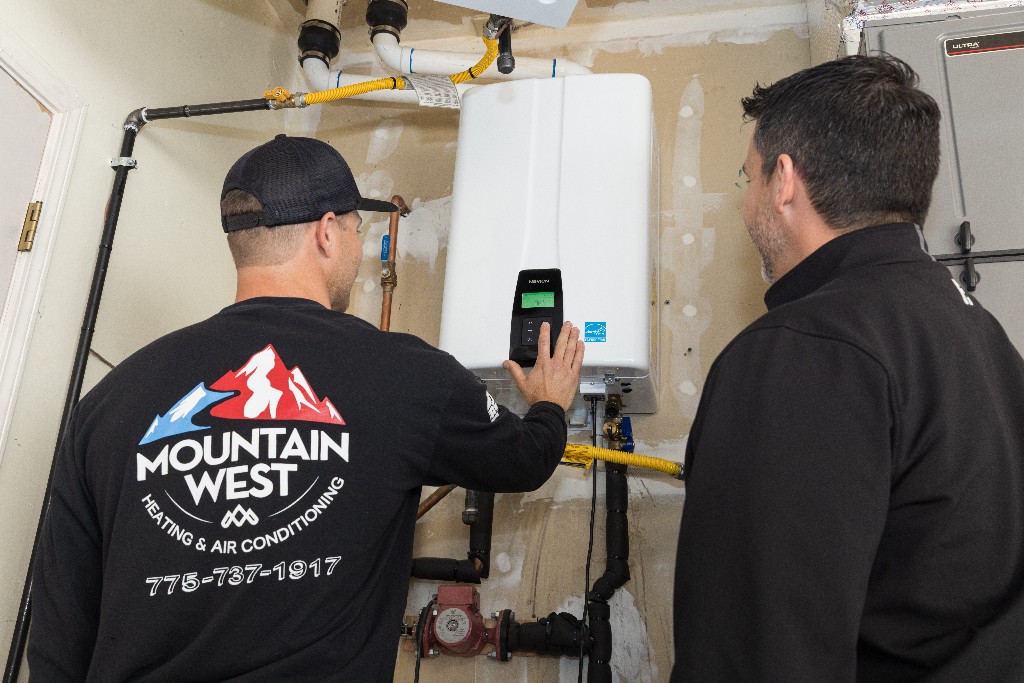
Water Heater Inspection & Testing in Verdi, NV
Need water heater inspection & testing in Verdi, NV? We diagnose rumbling, lukewarm water, or rust to prevent breakdowns. Schedule service today!
Expert Water Heater Inspection & Testing in Verdi, NV
Is your water heater rumbling like a distant thunderstorm, or are you consistently running out of hot water faster than usual in your Verdi home? These aren't just minor annoyances; they are clear indicators that your system is struggling with local hard water sediment, failing components, or impending leaks that require professional attention. Mountain West Heating and Air Conditioning provides thorough water heater inspection and testing services to accurately diagnose these issues and prevent a sudden, inconvenient breakdown.
Warning Signs Your Water Heater Needs Immediate Attention
Rumbling or Popping Noises
You might hear strange sounds echoing from your utility room, like heavy rumbling, popping, or even sizzling coming directly from the tank. This alarming noise happens when a thick layer of mineral sediment builds up at the bottom of the unit, trapping water underneath it. As the heating element warms up, that trapped water superheats into steam and violently bubbles up through the hard mineral crust.
This is a serious warning sign that your system is fighting an uphill battle against scale buildup. The sediment acts as an insulating blanket, forcing your water heater to run much longer to reach the desired temperature. Over time, this constant overheating will degrade the structural integrity of the steel tank and lead to permanent damage.
Lukewarm or Insufficient Hot Water
Showers that start hot but quickly turn freezing cold are incredibly frustrating and point to a distinct drop in your system's heating capacity. You might also notice that the water never quite reaches the temperature it used to, leaving you with lukewarm water no matter how high you adjust the dial. This typically means one of your heating elements has burned out, the burner assembly is clogged, or a broken dip tube is mixing cold water directly into your hot water supply.
Ignoring this drop in performance guarantees you will continue paying for energy that isn't actually heating your water effectively. It also signals that internal components are actively failing and need to be tested before the entire unit shuts down.
Rusty or Discolored Water
When you turn on the hot tap and see water that looks brownish, rusty, or carries a metallic odor, you are looking at a major red flag. If the cold water runs clear but the hot water is discolored, the rust is originating inside your water heater tank. This happens when the internal protective mechanisms have failed and the steel walls of the tank have begun to corrode from the inside out.
Internal corrosion is a one-way street that ultimately ends in a breached tank and significant water leakage. Having the system inspected immediately can help determine if the rust is coming from a replaceable component or if the tank itself is compromised.
Higher Utility Bills
A sudden, unexplained spike in your monthly electricity or gas bill is often the silent symptom of a struggling hot water system. When your water heater is bogged down by heavy sediment or operating with a failing thermostat, it consumes far more energy to do the exact same job. You haven't changed your daily routine, but your system is drawing power constantly just to maintain a baseline temperature.
This wasted energy adds up quickly and serves as a financial penalty for an inefficient appliance. Testing the electrical draw and gas consumption will reveal exactly how much efficiency you have lost and what is causing the drain.
Small Leaks or Puddles Around the Unit
Discovering small drips, damp spots, or rust-colored puddles on the floor around the base of your water heater is a situation that requires immediate action. These leaks can stem from a variety of sources, including loose plumbing connections, a weeping drain valve, or a malfunctioning safety valve. More concerningly, moisture at the very bottom of the unit often indicates a microscopic pinhole crack in the inner tank.
Even a minor drip can rapidly escalate into a catastrophic failure that floods your utility room or garage. A professional inspection will pinpoint the exact source of the moisture and determine if it is a simple fix or a sign of terminal tank failure.
What is Causing Your Water Heater Problems?
Mineral and Sediment Buildup
The water sources throughout our region carry high levels of dissolved calcium and magnesium. When this hard water enters your tank and heats up, those minerals separate from the liquid and settle heavily at the bottom. Over months and years, this accumulation turns into a solid, rock-like barrier that blocks heat transfer.
This is the most common culprit behind strange noises, slow recovery times, and skyrocketing energy bills. A thorough inspection will determine the severity of the buildup and whether a professional flush can restore the system's efficiency.
Corroded Anode Rod
Every traditional tank water heater contains a crucial component called an anode rod, often referred to as the sacrificial rod. Made of magnesium or aluminum, this rod is designed to attract corrosive elements in the water, rusting away so the steel tank doesn't have to. Once this rod is completely eaten away, the corrosive forces immediately attack the walls of your tank.
The specific water chemistry in Verdi can accelerate the degradation of this protective rod. Testing and inspecting the remaining lifespan of the anode rod is the single most effective way to prevent internal tank rust.
Failing Heating Elements or Burner Assembly
Electric water heaters rely on submerged heating elements, while gas units utilize a burner assembly located under the tank. Years of constant operation, especially during cold winters when the incoming water temperature plummets, put massive strain on these components. Electric elements can become completely encrusted in scale, while gas burners can suffer from clogged ports and poor airflow.
When these parts wear out or become obstructed, your system simply cannot produce enough heat to meet your household demand. Diagnostic testing isolates these components to measure their performance and determine if they need to be replaced.
Pressure Relief Valve Issues
The temperature and pressure relief valve is an essential safety device mounted on the top or side of your tank. Its sole purpose is to open and release water if the internal pressure or temperature reaches dangerous levels. Mineral deposits from hard water can easily accumulate around the inner workings of this valve, causing it to stick shut or leak continuously.
A stuck valve turns a water heater into a serious hazard, while a leaking valve wastes water and energy. We manually test this component during every visit to ensure your system is operating safely within its designed limits.
Aging System Components
Like any major household appliance, water heaters have a finite service life, typically ranging from eight to twelve years. As the system ages, the internal insulation breaks down, metal components fatigue, and the likelihood of a major failure increases exponentially. Many established homes have units that are simply nearing the end of their functional lifespan.
While maintenance can certainly extend the life of an aging unit, components will eventually degrade beyond repair. Testing provides a clear, honest picture of your system's overall health so you can plan appropriately for the future.
What to Expect During the Service Visit
Initial Visual and Safety Assessment
When a Mountain West Heating and Air Conditioning technician arrives at your home, the process begins with a careful visual evaluation of the entire setup. We inspect the exterior of the tank for subtle signs of stress, such as tiny rust trails, moisture near fittings, or scorch marks near the burner assembly. We also check the surrounding plumbing, gas lines, and electrical connections to ensure everything meets current safety codes.
This initial sweep tells us a lot about how the system has been operating and where we need to focus our diagnostic efforts. We also take the time to listen to your specific complaints, whether it is a lack of hot water or strange noises, to guide our testing process.
Component Testing and Diagnostics
Next, we move into the hands-on diagnostic phase where we test the critical safety and performance components. We test the temperature and pressure relief valve to guarantee it will safely vent excess pressure instead of risking a tank rupture. For electric units, we use multimeters to check the electrical continuity of the heating elements and the accuracy of the thermostats.
For gas units, we inspect the thermocouple, evaluate the burner flame for proper combustion, and check the venting system for safe exhaust removal. We also measure the actual water temperature at the tap against the thermostat setting to identify any discrepancies in performance.
Water Quality and Sediment Evaluation
Because local water conditions play such a massive role in system health, we specifically evaluate the unit for scale and sediment issues. We check the drain valve for blockages and assess how much mineral buildup has accumulated inside the tank. We also inspect the condition of the anode rod to see how much sacrificial metal remains to protect your system.
If the sediment layer is severe, we will explain exactly how it is impacting your efficiency and recovery time. This evaluation is critical for determining if the unit can be salvaged with a deep clean or if the damage is too extensive.
Comprehensive Reporting and Next Steps
After the inspection is complete, we provide a detailed, plain-language report of our findings. We will walk you through exactly what is causing your hot water issues, showing you the failing components or explaining the test results. Our goal is to give you a complete understanding of your system's condition without relying on confusing technical jargon.
We will then offer clear, honest recommendations for the next steps. Whether your system needs a minor adjustment, a replacement part, or a completely new unit, you will have all the facts necessary to make an informed decision for your home.
Related Services You May Need
If our comprehensive testing reveals that your system requires immediate attention, we are fully equipped to handle the next steps. We provide expert Water Heater Repair & Service to swap out failing elements, replace bad valves, and get your hot water flowing again. If the inspection shows that the tank is severely compromised or simply too old to repair cost-effectively, we can guide you through our professional Water Heater Installation & Replacement options to upgrade your home's efficiency.
Why This Matters and the Cost of Waiting
The Threat of Premature System Failure
Delaying a professional inspection when your water heater is showing clear signs of distress is a gamble that rarely pays off. Issues like heavy sediment buildup and degraded anode rods do not resolve themselves; they actively accelerate the destruction of your tank. What might start as a minor rumbling noise will eventually lead to severe internal corrosion and a completely ruined appliance.
By the time the tank actually fails, you have lost the opportunity to perform preventative maintenance or swap out a simple, inexpensive part. Proactive testing catches these destructive forces early, potentially adding years to the lifespan of your unit.
Safety Risks and Property Damage
A neglected water heater can pose genuine safety risks to your property and your family. A malfunctioning temperature and pressure relief valve can allow pressure to build to dangerous levels, while a severely rusted tank is a flood waiting to happen. Even a small pinhole leak can release gallons of water over a single weekend, destroying drywall, flooring, and personal belongings.
Testing ensures that all safety mechanisms are functioning exactly as designed. It provides peace of mind knowing that your system is not a liability sitting quietly in your garage or utility closet.
Wasted Energy and Rising Costs
Operating a compromised water heater is incredibly expensive over the long term. When heating elements are buried under scale or burners are struggling to combust properly, the unit must run continuously to heat the water. You end up paying significantly higher utility bills for a system that delivers subpar performance.
An inspection identifies exactly where this efficiency is being lost. Correcting these issues not only restores your comfort but immediately stops the financial drain of wasted energy.
Restoring Your Home's Hot Water Supply
Don't let hot water issues disrupt your daily routine or cause unnecessary stress. Mountain West Heating and Air Conditioning is your trusted, locally owned partner, dedicated to ensuring your home's plumbing systems are safe, efficient, and reliable. Contact us today to schedule your comprehensive water heater inspection and testing, and let our experts restore your comfort and peace of mind.
Why Choose Us
- 8+ Years of Experience
- Licensed & Insured
- Upfront Pricing
- 100% Satisfaction Guarantee
- Same-Day Service Available
Service Gallery
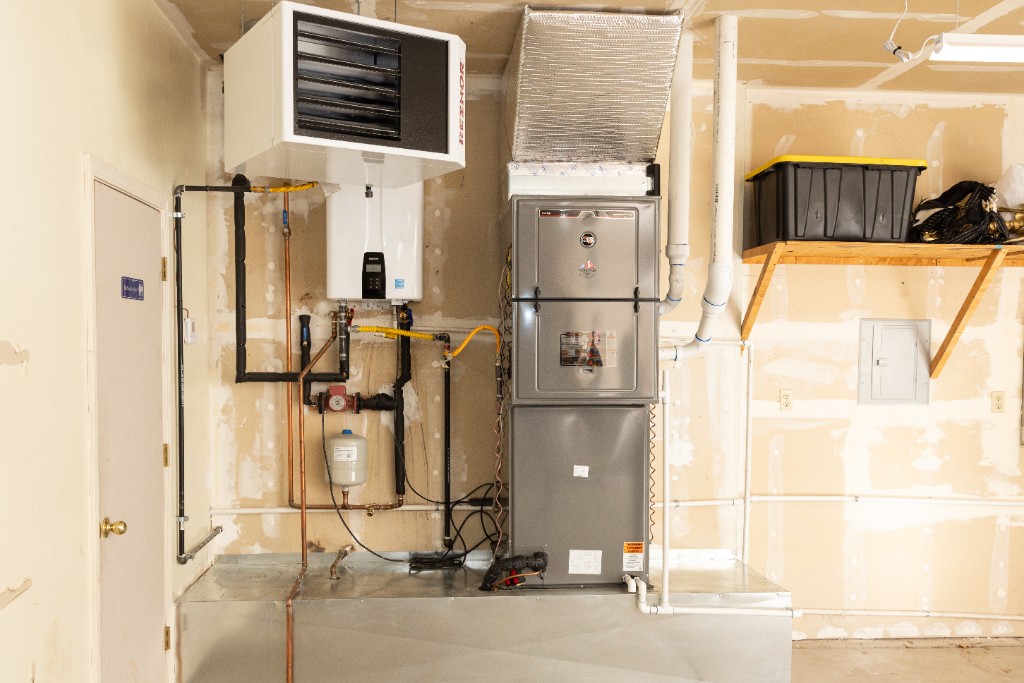
Precision installs — heating, cooling, and water heating
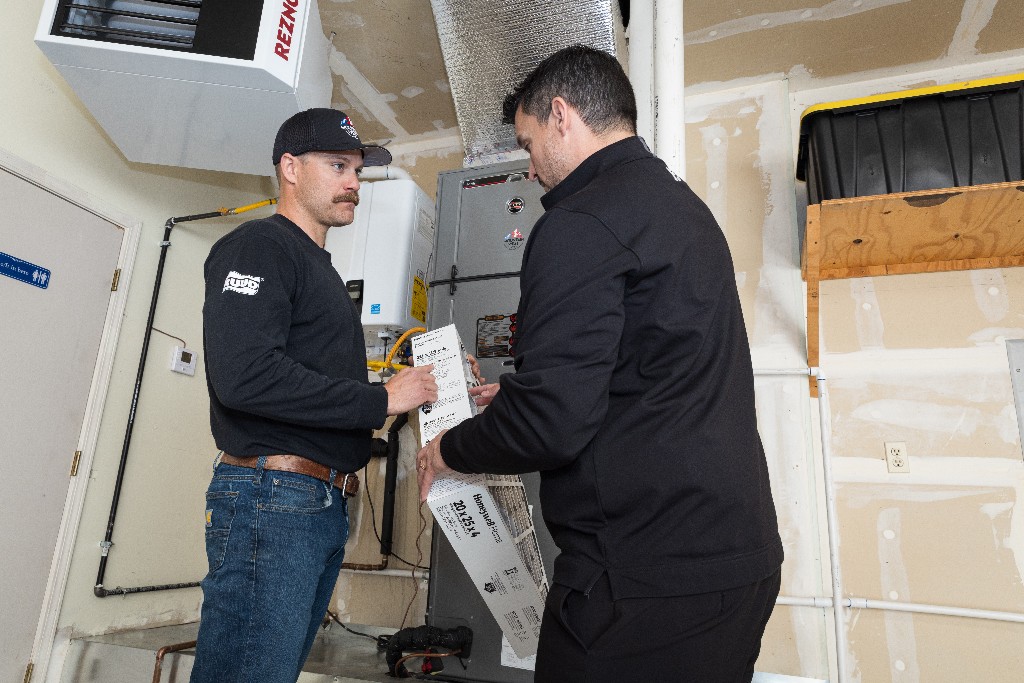
Water heater service and high-efficiency upgrades
Related Services
Ready to Get Started?
Contact us today for a free estimate on your {title} needs.