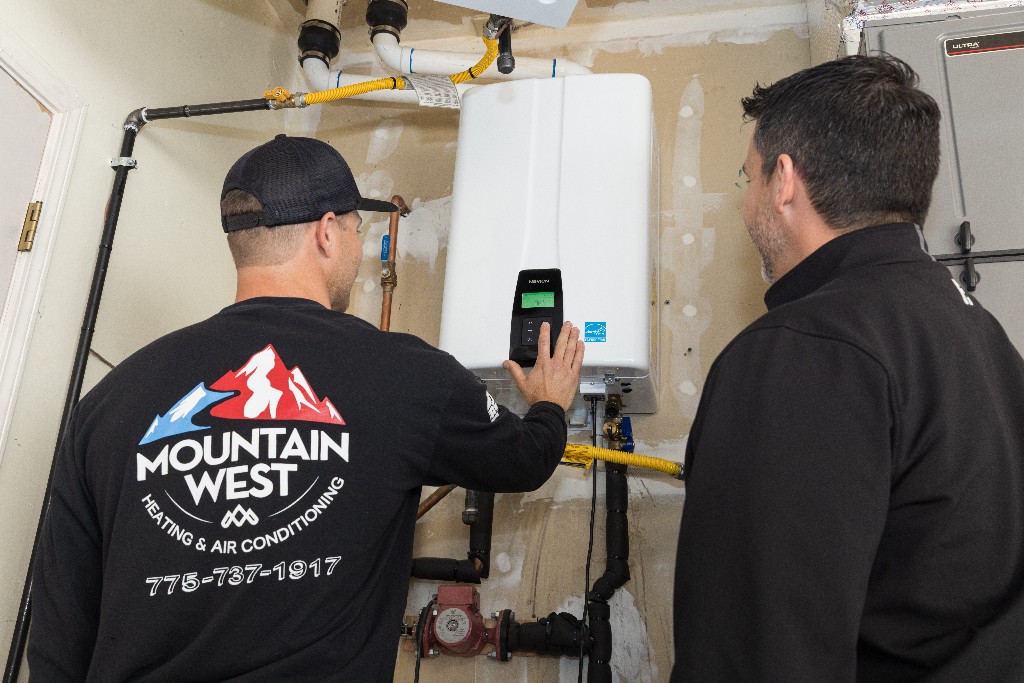
Water Heater Inspection & Testing in Glenbrook, NV
Water heater inspection & testing in Glenbrook, NV diagnoses issues: leaks, noises, no hot water. Restore reliable hot water to your home. Call today!
Water Heater Inspection & Testing in Glenbrook, NV
Are you tired of your shower turning cold mid-wash, hearing strange popping noises from the tank, or dealing with a lack of hot water after your Glenbrook home has been vacant for a few weeks? These aren't just minor inconveniences; they are clear indicators that your system is struggling with sediment buildup, aging components, or the heavy demands of heating cold mountain water. At Mountain West Heating and Air Conditioning, our expert technicians are ready to provide thorough water heater inspection and testing to diagnose these issues and restore reliable hot water to your home.
Warning Signs Your Water Heater Needs Professional Attention
Inconsistent or No Hot Water
You might find your shower water turning cold quickly, or the hot water supply runs out much faster than it used to. This is especially common if your property has been unoccupied for a few days and the system struggles to reheat settled water. This symptom often indicates a failing heating element, a clogged gas burner, a faulty thermostat, or significant sediment buildup at the bottom of the tank.
When mineral deposits take up physical space inside the tank, your unit holds less actual water than it was designed to carry. The system then has to work much harder to heat a smaller volume of water, leaving you with lukewarm showers. Ignoring this drop in performance forces the unit to run constantly, accelerating wear and tear on every internal component.
Strange Noises from the Tank
Hearing rumbling, popping, hissing, or crackling sounds coming from your water heater is a major red flag that requires immediate attention. These noises are almost always caused by heavy mineral deposits that have settled and hardened at the bottom of the tank. As the heating element or gas burner tries to work, it has to heat through this thick layer of insulation.
This process causes the water trapped beneath the sediment to boil rapidly and burst through the mineral crust, creating those alarming popping sounds. Sediment acts as a barrier that makes your water heater drastically less efficient. Over time, this intense localized heat can warp the bottom of the tank, leading to premature structural failure and the need for a complete replacement.
Rusty or Discolored Hot Water
When you turn on your hot water tap and the water appears reddish-brown, rusty, or cloudy, you have a serious problem developing. This is a strong indicator that the sacrificial anode rod inside your unit has fully corroded away. Once that protective rod is gone, the corrosive elements in the water begin attacking the interior lining of your steel tank instead.
While rusty water could occasionally point to older galvanized plumbing pipes, a failing water heater is usually the primary suspect. A rusting tank is a definitive sign of impending failure that cannot be reversed once it begins. Having a professional evaluate the system immediately is the only way to prevent the rusted tank walls from giving way entirely.
Water Leaks Around the Heater
Discovering puddles of water around the base of your water heater or damp spots on the mechanical room floor is never a good sign. You might also notice the temperature and pressure relief valve constantly dripping water down the side of the unit. Leaks can stem from loose pipe connections, a failing safety valve, or microscopic cracks forming in the corroded tank shell.
Any active leak, no matter how small it seems, can lead to substantial water damage to your home's flooring, drywall, and structural foundation. A leaking tank often means the unit's structural integrity is permanently compromised. This requires urgent diagnostic testing to determine if the leak can be repaired or if the entire unit is nearing catastrophic failure.
Unexpectedly High Energy Bills
You might notice a significant and unexplained increase in your monthly utility bills while your water heater seems to be running constantly. An inefficient water heater is often the hidden culprit behind these sudden spikes in energy consumption. Sediment buildup, failing electrical elements, or compromised insulation force the unit to consume far more energy just to reach a baseline temperature.
Because incoming water from mountain sources is naturally colder, an inefficient system has to run even longer to bridge that temperature gap. Beyond the ongoing financial drain, this inefficiency puts immense stress on the system. Catching this early through a comprehensive evaluation helps restore efficiency and prevents unexpected breakdowns.
What's Causing Your Water Heater Problems
Sediment Buildup Inside the Tank
Minerals like calcium and magnesium naturally present in the local water supply precipitate out and settle at the bottom of your tank over time. The mountain-fed water sources in our region are incredibly rich in minerals, making sediment accumulation a particularly common issue for water heaters in Glenbrook. When vacation properties sit unused, these suspended minerals have even more time to settle and harden into a thick crust.
A professional inspection includes evaluating the severity of this mineral buildup and testing the system's overall performance. The solution typically involves performing a deep clean by flushing the tank to remove the hardened layer of sediment. For severe cases where the sediment has solidified completely, more extensive cleaning procedures or part replacements are necessary to restore function.
Corroded Anode Rod
The anode rod is a sacrificial metal piece suspended inside your water heater that is specifically designed to attract corrosive elements. It harmlessly dissolves over time so that the steel walls of your tank do not rust. The specific mineral composition and pH levels of the water in our area heavily influence the rate at which this rod degrades.
During an inspection, we carefully remove and check this vital component for wear. If the rod is significantly depleted or completely eaten away, it must be replaced immediately. Installing a fresh anode rod is the single most effective way to protect your tank from rusting and dramatically extend the lifespan of your water heater.
Thermal Expansion Issues
When water is heated, it naturally expands, which creates excessive pressure within a closed residential plumbing system. This thermal expansion can stress internal components, strain pipe connections, and cause temperature and pressure relief valves to fail prematurely. Glenbrook's higher elevation can sometimes exacerbate these pressure changes, making proper system regulation even more critical.
An inspection will check your system's standing water pressure and test the functionality of any existing thermal expansion tank. If your system lacks this protection or the current expansion tank has failed, we will map out a plan to correct it. Adding a functional expansion tank absorbs the expanding water, protecting your entire plumbing infrastructure from pressure-related damage.
Aging Components and Wear
Like any major household appliance, water heaters rely on electrical and mechanical components that simply wear out over thousands of heating cycles. Many established homes feature older units that might be nearing their expected lifespan of eight to twelve years. As these units age, component failure becomes a frequent and predictable cause of daily hot water disruptions.
A thorough evaluation includes testing all critical parts, from the internal thermostats to the gas burner assemblies. We measure electrical draw, check for proper gas combustion, and identify exactly which parts are failing. Once the failing components are isolated, we provide clear recommendations for targeted repairs to restore optimal function.
What to Expect During Your Service Visit
When you schedule a water heater inspection and testing with Mountain West Heating and Air Conditioning, you can expect a transparent process designed to give you total peace of mind. Our founder, Andrew Morrell, built this company on a foundation of integrity, ensuring every customer receives honest assessments and expert care. A fully licensed and certified technician will arrive promptly, equipped with the exact diagnostic tools needed to evaluate your system.
Comprehensive Visual and Diagnostic Testing
First, we conduct a detailed visual inspection of your water heater and the surrounding mechanical space. We check for obvious signs of external leaks, heavy corrosion on the fittings, and ensure the unit has proper clearance and ventilation. Next, we perform a series of advanced diagnostic tests to evaluate the internal components and overall system health.
This includes testing the temperature and pressure relief valve, inspecting the anode rod to assess tank protection, and checking the severity of any internal mineral buildup. For gas units, we inspect the burner assembly and vent system to ensure safe combustion, while electric units undergo thorough testing of all heating elements. Once the evaluation is complete, your technician will clearly explain their findings and provide an upfront estimate for any necessary maintenance.
Related Services You May Need
Often, a thorough inspection reveals underlying issues that require more extensive attention to fully resolve. If your unit shows signs of significant wear or component failure, our team can seamlessly transition into providing expert Water Heater Repair & Service to get things running smoothly again. Should your tank be severely corroded or beyond economical repair, we also offer professional Water Heater Installation & Replacement to upgrade your home with a reliable, energy-efficient system. We can also set you up with routine Water Heater Maintenance & Tune-Up services to keep your equipment running perfectly year after year.
The True Cost of Delaying an Inspection
Delaying a water heater inspection might seem like an easy way to save a little money today, but it almost always leads to much larger problems down the line. Ignoring warning signs like popping noises or minor puddles can quickly result in a catastrophic tank failure. A ruptured tank can cause thousands of dollars in sudden water damage to your flooring, drywall, and personal belongings in a matter of minutes.
Furthermore, an uninspected, inefficient water heater continually drives up your energy bills, silently costing you more with every utility cycle. The longer a struggling system operates, the more strain it places on its remaining functional components. This cascading effect turns what could have been a simple part replacement into a complete system failure.
Safety Risks and System Breakdowns
Beyond the financial implications, neglected units can pose serious safety risks to your household. This includes carbon monoxide exposure from poorly venting gas units or severe scalding hazards from malfunctioning thermostats. Regular, proactive inspections catch these dangerous issues early, protecting your property and keeping your family safe.
Ready for Reliable Hot Water in Glenbrook?
Don't let unexpected cold showers or alarming tank noises disrupt the comfort of your home. Mountain West Heating and Air Conditioning is committed to providing expert, trustworthy service to ensure your system is safe, efficient, and ready to handle your daily demands. Contact us today to schedule your comprehensive water heater inspection and testing.
Why Choose Us
- 8+ Years of Experience
- Licensed & Insured
- Upfront Pricing
- 100% Satisfaction Guarantee
- Same-Day Service Available
Service Gallery
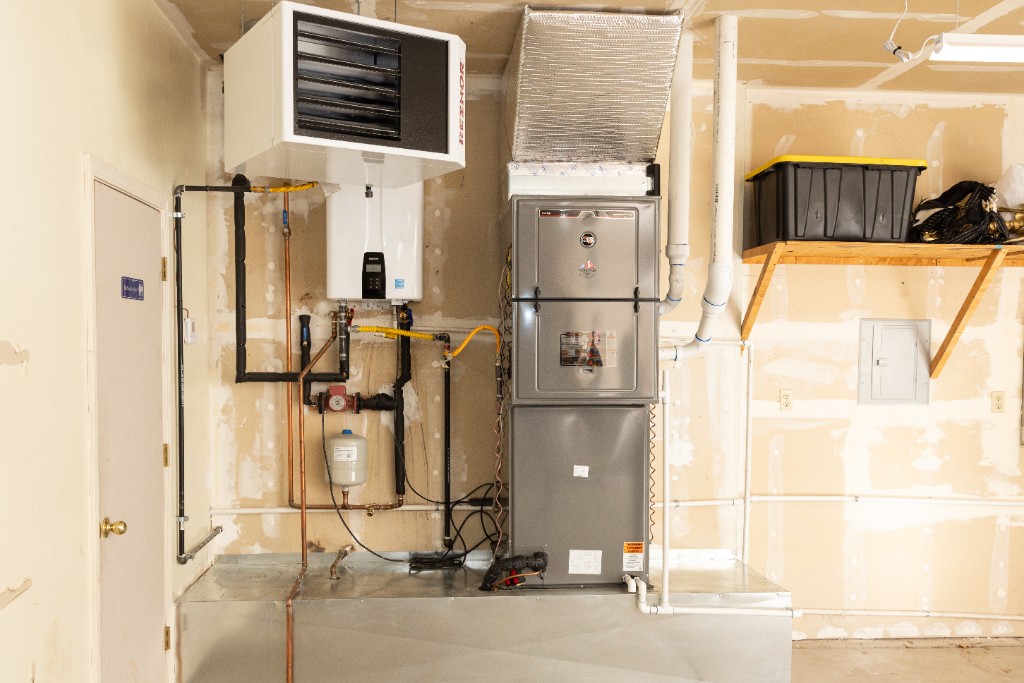
Precision installs — heating, cooling, and water heating
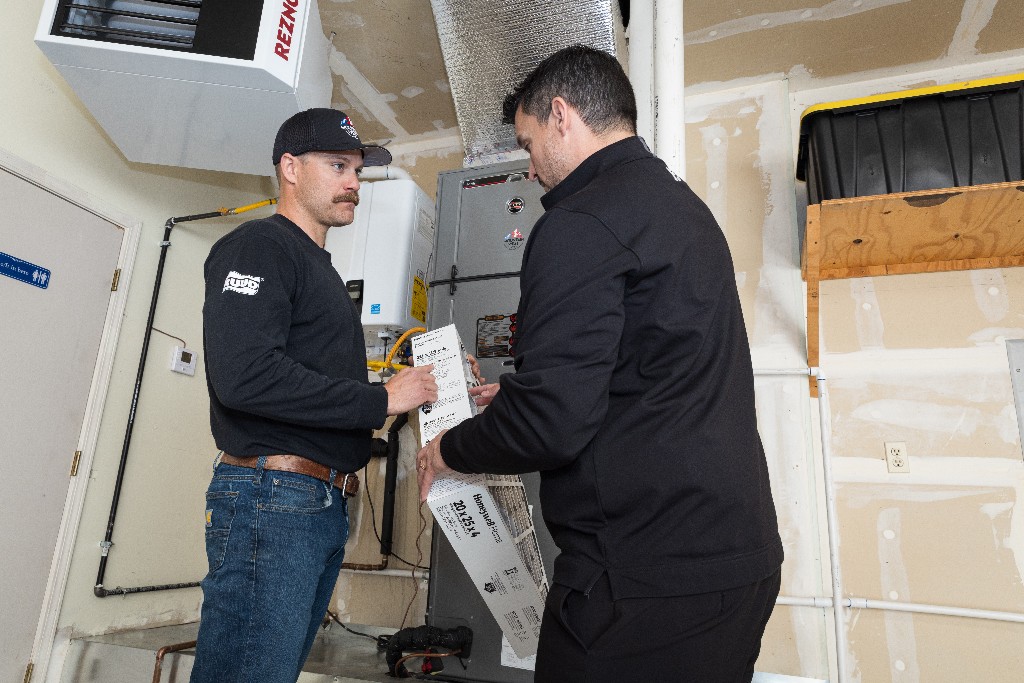
Water heater service and high-efficiency upgrades
Related Services
Ready to Get Started?
Contact us today for a free estimate on your {title} needs.