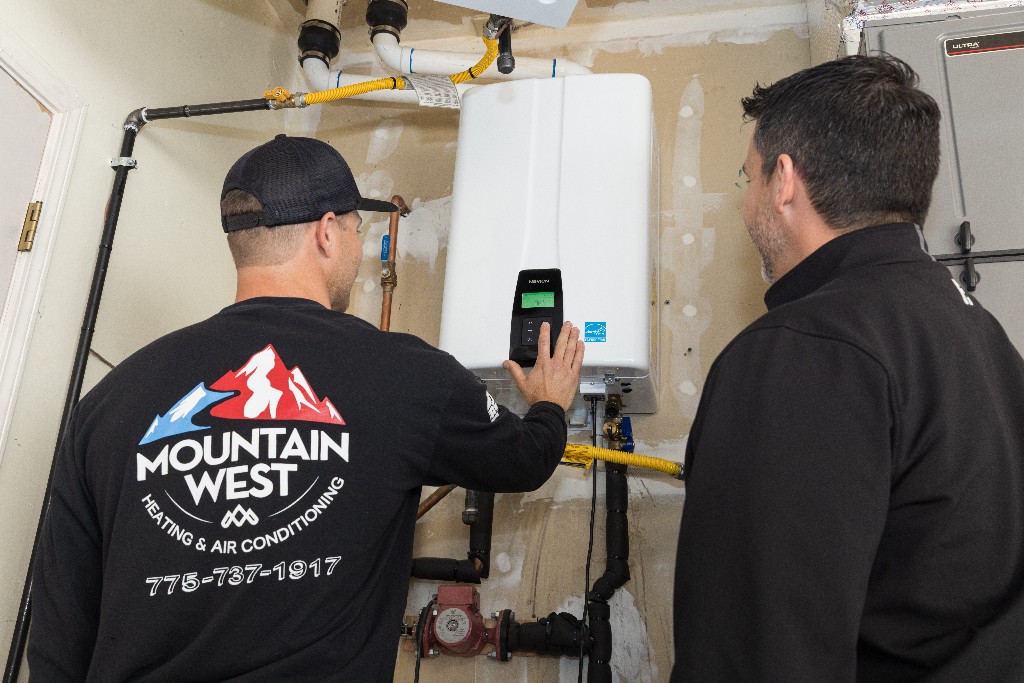
Water Heater Inspection & Testing in Incline Village, NV
Incline Village, NV hot water inconsistent or noisy? Get expert water heater inspection & testing for reliable hot water. Schedule service today!
Water Heater Inspection & Testing in Incline Village
Is your Incline Village home's hot water supply inconsistent after a long weekend away, or are you hearing strange rumbling from your water heater when the house is quiet? These aren't just minor annoyances; they are clear indicators that your water heating system is struggling and needs professional attention before a minor issue becomes a major flood. At Mountain West Heating and Air Conditioning, our experienced technicians are ready to provide thorough water heater inspection and testing to ensure your home always has a reliable, efficient hot water supply.
Signs Your Water Heater Needs Inspection
Inconsistent Hot Water or Short Supply
You might notice the hot water runs out much faster than it used to, leaving you with a cold shower. Sometimes the temperature fluctuates wildly, going from hot to lukewarm to cold, especially after the house has been empty for a while. This frustrating experience is one of the most common signs that your system is failing to keep up with standard household demand.
This often indicates significant sediment buildup reducing the tank's effective capacity or a failing heating element that can no longer reach the set temperature. Beyond the immediate inconvenience, an inefficient water heater works much harder to do its job. This consumes more energy, drives up your utility bills, and eventually leads to total system failure if left unaddressed.
Strange Noises Like Rumbling or Popping
Hearing loud rumbling, popping, or banging sounds coming from your water heater is alarming, especially when those noises echo through a quiet mountain home. These sounds are typically most noticeable when the unit is actively heating water after a period of heavy use. You are not imagining things; your water heater is literally boiling water beneath a layer of trapped debris.
These noises are caused by sediment buildup at the bottom of the tank interacting with the heating element. As the element superheats trapped water beneath the sediment, it creates steam bubbles that burst violently. This process accelerates internal corrosion, drastically reduces the unit's efficiency, and significantly shortens the lifespan of the entire system.
Leaking Water Around the Unit
Discovering puddles, unexplained moisture, or rust trails around the base of your water heater is a serious warning sign that requires immediate action. A leak can stem from a faulty temperature and pressure relief valve that is venting excess pressure. It can also be caused by loose pipe connections or hairline cracks developing in an aging, corroded tank.
Water leaks can cause significant damage to your home's flooring, walls, and foundation, leading to expensive repairs and potential mold growth. A leaking tank is often a clear signal that catastrophic failure is imminent. Ignoring this moisture puts your property at risk for sudden, severe flooding.
Rusty or Discolored Hot Water
If the hot water coming from your faucets appears rusty, reddish-brown, or has an odd muddy tint, it is time for a professional look. This discoloration usually indicates internal corrosion of the water heater tank itself. It can also mean that the sacrificial anode rod, which is designed to attract corrosive elements away from the tank walls, has fully depleted.
Rusty water is unsightly and can easily stain your plumbing fixtures and laundry. More importantly, it signals that the structural integrity of your water heater tank is compromised. Allowing this internal corrosion to spread inevitably leads to severe leaks and the need for a complete system replacement.
Unusual Metallic or Sulfur Odors
Your hot water might develop a distinct metallic tang or a sulfur smell resembling rotten eggs, especially after the house has been closed up for a few weeks. A metallic smell points to advanced internal degradation of the tank or your connecting pipes. A sulfur odor typically indicates anaerobic bacteria reacting with the anode rod in stagnant water.
These odors make hot water use unpleasant for bathing, cooking, and cleaning. While the smell itself might not always be a severe health risk, it signifies that your system requires a thorough flush. Eliminating these smells often requires professional intervention to replace the anode rod and sanitize the internal tank environment.
Why Your Water Heater Might Be Failing
Sediment Buildup in the Tank
Over time, minerals present in the regional water supply settle at the bottom of the water heater tank and solidify into a thick, rock-like layer. The moderately hard water found around Northern Nevada makes this calcium and magnesium accumulation a very common issue for local properties. This sediment acts as an insulator between the heating element and the water, forcing the unit to run longer and hotter to achieve the same results.
A professional inspection involves checking the extent of this buildup and evaluating the overall health of the tank bottom. The solution typically involves thoroughly flushing the tank to remove the loose sediment. This simple maintenance step restores lost efficiency, lowers operating costs, and extends the unit's operational life.
Corrosion of Internal Components
The inside of your water heater tank is constantly exposed to water, which naturally leads to rust over time if the system is not properly maintained. Properties that experience periods of disuse can see accelerated internal corrosion, especially if the protective anode rod is ignored. Once the anode rod sacrifices itself completely, the corrosive elements in the water begin attacking the steel walls of the tank.
During an inspection, we carefully examine the anode rod and the tank's interior for any signs of advanced wear. We recommend replacing the anode rod proactively before the tank itself begins to rust through. In severe cases where the tank wall is already compromised, we will advise you on the best steps for replacement.
Aging Unit and Wear and Tear
Like any major household appliance, water heaters have a finite lifespan that typically ranges from eight to twelve years. With a mix of older cabins and newer luxury builds in Incline Village, many properties have water heaters nearing or past their expected operational prime. Over time, internal components wear out, rubber seals degrade, and heating efficiency naturally declines due to continuous daily operation.
An inspection determines the exact age and overall condition of your unit so you can plan ahead. Knowing the true health of an older system allows you to budget for potential repairs rather than dealing with a sudden, stressful breakdown. We help you understand exactly how much life your current system has left.
Faulty Thermostat or Heating Elements
The thermostat regulates your water temperature, while the heating elements or gas burner assemblies are responsible for actually generating the heat. Intermittent use in vacation homes can sometimes stress these components during startup, leading to premature electrical or mechanical failure. If these components fail or lose calibration, your water heater simply cannot provide consistent hot water.
We test these critical components for proper electrical draw, accurate temperature calibration, and safe operation. If a thermostat is reading incorrectly or a heating element is covered in scale, we can identify the exact point of failure. The solution involves replacing these specific faulty parts to restore full functionality without needing to replace the entire tank.
What to Expect During the Service Visit
Comprehensive Visual Assessment
When you schedule a water heater inspection and testing with Mountain West Heating and Air Conditioning, you can expect a comprehensive and professional evaluation. Our certified technicians arrive promptly, ready to assess your system with a thorough visual inspection of the entire unit. We check for any visible leaks, external rust, or damaged components on the tank, pipes, and surrounding water connections.
We also examine the installation environment to ensure the unit has proper ventilation and clearance. This visual sweep helps us identify obvious safety hazards or building code violations that might affect the system's performance. Catching these surface-level issues early provides a solid foundation for the deeper diagnostic testing to follow.
Diagnostic Testing and Safety Checks
After the visual inspection, we proceed with crucial diagnostic tests to ensure every part of your system operates safely and efficiently. This includes verifying that the temperature and pressure relief valve opens and closes correctly to prevent dangerous pressure buildup. We check the thermostat's accuracy against the actual water temperature and assess the electrical draw of the heating elements.
For gas-powered units, we perform critical safety checks for any gas leaks around the supply line and control valve. We also inspect the venting system to ensure there are no dangerous carbon monoxide emissions entering your home. These rigorous safety checks are essential for protecting your property and your family.
Detailed Reporting and Recommendations
Finally, we inspect the anode rod and evaluate whether a full tank flush is necessary to remove trapped sediment. Our goal is to identify any existing issues, spot potential future problems, and find areas where we can improve your system's daily efficiency. We compile all our findings into a clear, easy-to-understand assessment of your water heater's health.
You receive a detailed report and straightforward recommendations without any high-pressure sales tactics. We explain exactly what is working well, what needs immediate attention, and what you should monitor in the coming years. This ensures you have all the professional insight needed to make the right decisions for your home.
Related Services to Consider
A comprehensive inspection can often reveal underlying issues that require further attention from our experienced team. If we identify failing components, we are fully equipped to provide expert water heater repair & service to get your unit back in top condition. In cases where a unit is extensively damaged or too old to save, we can discuss efficient water heater installation & replacement options that fit your usage needs. You might also consider a heating inspection & testing for your furnace alongside your plumbing checks to ensure all your critical mechanical systems are operating optimally.
Why This Matters and the Cost of Waiting
The Risks of Neglect
Ignoring warning signs from your water heater or delaying a professional inspection can have significant consequences for your property and your wallet. Safety is always the primary concern, as issues like a faulty pressure valve or unseen gas leaks pose serious risks of property damage or carbon monoxide exposure. A water heater under extreme pressure can literally burst, causing catastrophic damage to the surrounding area.
Beyond immediate safety concerns, a struggling water heater operates highly inefficiently. This leads to noticeably higher utility bills as the system works harder and longer to produce less hot water. You end up paying more money every month for a system that is actively deteriorating.
Protecting Your Home's Value
What might start as a minor drip from a corroded fitting can quickly escalate into major water damage. This often requires expensive repairs to your flooring, drywall, and structural elements if the water seeps into the subfloor. Neglecting preventative maintenance directly shortens your water heater's lifespan, guaranteeing a premature failure.
Proactive inspection protects your investment and ensures consistent comfort for you and your guests. It allows you to address small, inexpensive repairs before they snowball into massive plumbing emergencies. By staying ahead of wear and tear, you prevent the stress of paying for a massive emergency cleanup and a rushed replacement.
Ready to Secure Your Hot Water Supply?
Schedule Your Inspection Today
Don't let water heater worries disrupt the comfort, safety, and peace of mind you expect in your Incline Village home. Whether you are noticing strange noises, inconsistent temperatures, or simply haven't had your system checked in years, it is time to take action. Ignoring the early warning signs will only lead to more expensive and stressful problems down the road.
Mountain West Heating and Air Conditioning is ready to provide the thorough, expert evaluation your plumbing system needs. We pride ourselves on delivering honest assessments and reliable solutions that keep your household running smoothly. Contact us today to schedule your professional water heater inspection and testing.
Why Choose Us
- 8+ Years of Experience
- Licensed & Insured
- Upfront Pricing
- 100% Satisfaction Guarantee
- Same-Day Service Available
Service Gallery
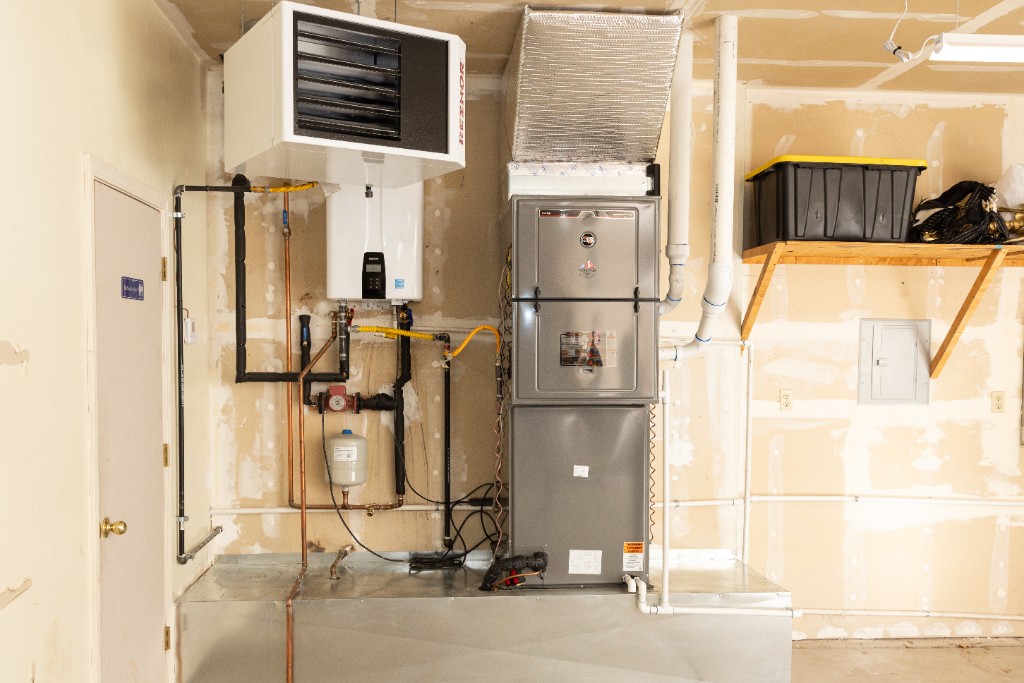
Precision installs — heating, cooling, and water heating
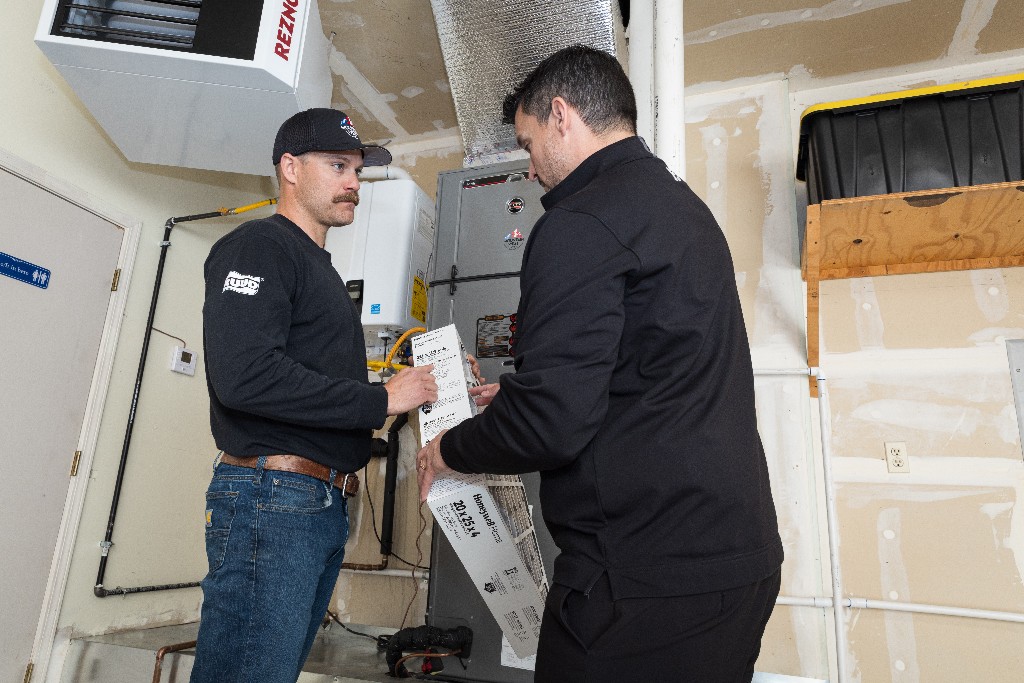
Water heater service and high-efficiency upgrades
Related Services
Ready to Get Started?
Contact us today for a free estimate on your {title} needs.