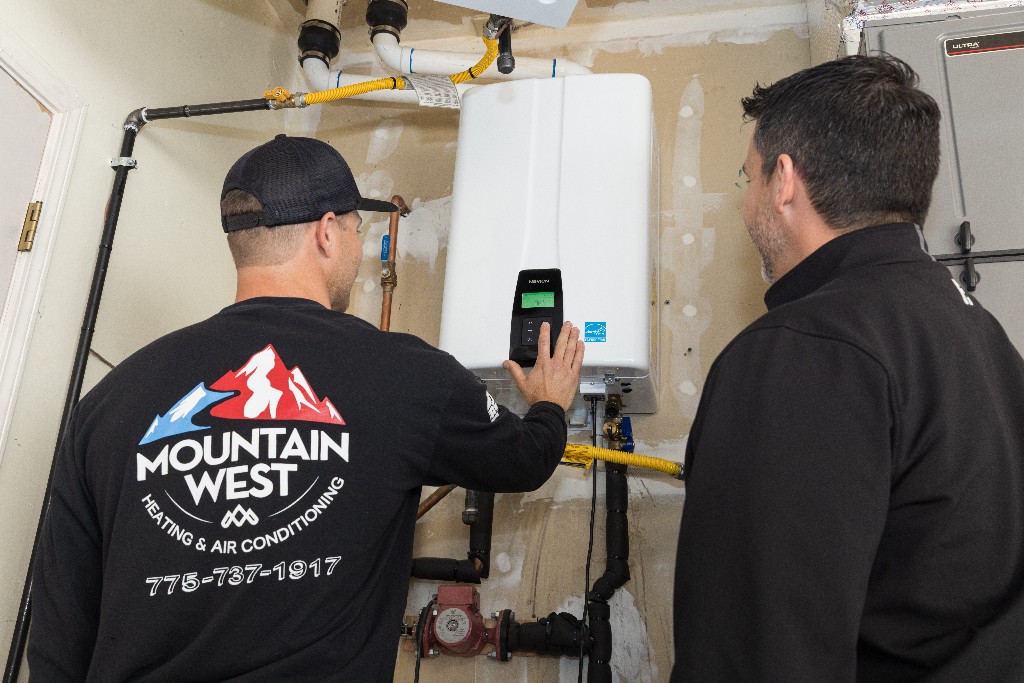
Water Heater Inspection & Testing in Kingsbury, NV
Water heater inspection & testing in Kingsbury, NV. Diagnose noises, inconsistent hot water, or discoloration. Restore reliability. Schedule service now!
Water Heater Inspection & Testing in Kingsbury, NV
Are you noticing your hot water running out much faster than usual after returning to your Kingsbury home, or hearing strange rumbling noises echoing from your water heater tank? These are not just minor household annoyances; they are clear indicators that your water heater is struggling against severe internal issues and could be on the verge of a costly breakdown. At Mountain West Heating and Air Conditioning, our certified technicians are ready to provide thorough water heater inspection and testing services to pinpoint the exact issue and restore your system's reliability.
Warning Signs Your Water Heater Needs Testing
When a water heater starts to fail, it rarely happens without giving you a few hints first. Recognizing these early symptoms can save you from waking up to an icy shower or a flooded utility closet. Here is what you should be looking out for when you use your plumbing.
Inconsistent Hot Water or Shortage
- You are getting significantly less hot water than you used to.
- The water temperature fluctuates wildly during a single shower.
- The tank takes an unusually long time to recover after someone bathes.
When you experience a sudden drop in hot water capacity, it usually points to a heavy layer of sediment sitting at the bottom of your tank. This mineral sludge acts as a thick insulator, physically blocking the heat from reaching the water inside. It might also indicate that you have a broken dip tube, which is a plastic pipe that accidentally allows cold incoming water to mix directly with your heated supply.
Ignoring this symptom forces your system to run longer heating cycles just to achieve a basic baseline temperature. This constant strain not only drives up your monthly utility bills but also accelerates wear and tear on every mechanical component. Eventually, that hardened sediment will cause premature tank failure, leaving you with no choice but to replace the system entirely.
Strange Noises from the Tank
- You hear loud popping or crackling sounds when the unit is running.
- A deep rumbling noise echoes from the tank, similar to a boiling kettle.
- Banging or knocking sounds occur randomly throughout the day.
These noises are known in the plumbing and HVAC industry as "kettling," and they are a direct result of extreme sediment buildup. As your burner or heating element tries to warm the water, it has to push that intense heat through a thick layer of mineral deposits first. The water trapped underneath this sediment layer begins to boil and turn into steam, bursting through the sludge and creating those loud popping sounds.
Kettling is a massive red flag that your water heater is working far too hard to do its basic job. The extreme heat trapped at the bottom of the tank can actually warp the metal and weaken the protective glass lining inside the cylinder. If left unchecked, this internal stress will eventually cause the steel to crack, leading to an irreversible leak.
Discolored or Smelly Hot Water
- Your hot water looks cloudy, rusty, or brown when it comes out of the tap.
- There is a distinct metallic taste or smell to the water supply.
- You notice a strong sulfur or "rotten egg" odor when running hot water.
Rusty water is usually the first visual clue that corrosion is actively eating away at the inside of your tank or that your protective anode rod has completely failed. The anode rod is designed to attract corrosive elements, sacrificing itself so your tank does not rust from the inside out. When you smell sulfur, it means harmless bacteria are actively growing inside the warm tank and reacting with the minerals in the water.
Bathing in or cooking with rusty, bacteria-filled water is highly unpleasant and unsanitary for your household. Once rust starts attacking the actual steel of the tank walls, the clock is rapidly ticking before a major rupture occurs. A thorough inspection will determine if a simple flush and rod replacement will solve the issue or if the structural damage is already permanent.
Visible Leaks Around the Base
- Small puddles form consistently around the bottom of the unit.
- You spot dried white mineral streaks running down the side of the tank.
- Rust stains appear on the floor beneath the drain valve or pipe connections.
Any amount of water outside the tank is a critical warning sign that requires immediate professional testing and attention. Leaks can originate from loose pipe connections, a failing pressure relief valve, or worst of all, a microscopic fracture in the corroded tank itself. For homes that sit vacant for extended periods, even a tiny, slow drip can silently rot out drywall and subflooring over several weeks.
Water damage is incredibly expensive to repair and often leads to secondary issues like toxic mold growth. Catching a small leak early through professional testing allows us to secure fittings or replace faulty valves before the situation escalates. If the tank itself is breached, we can help you shut the system down safely before a catastrophic flood ruins your property.
What is Causing Your Hot Water Problems
Understanding why your water heater is acting up helps you make informed decisions about your home maintenance. Most issues we see in this area stem from a few common culprits that specifically attack the internal components of your system.
Severe Sediment Buildup
Over time, the natural minerals dissolved in your water supply settle out of the liquid and sink to the bottom of the water heater tank. This creates a thick, sludgy layer of calcium and magnesium that hardens like concrete around your heating elements. Because the water in Kingsbury and the surrounding mountain region is notably hard, this mineral accumulation happens much faster here than in other areas.
Our inspection process involves evaluating the depth of this sediment and checking how severely it has impacted your heating components. The standard solution involves a comprehensive tank flush to clear out the loose minerals and restore proper heat transfer. Regular flushing is the single best way to protect your equipment investment and keep your daily utility costs manageable.
Depleted Anode Rod
Every standard tank water heater contains an anode rod, which is essentially a long metal wire coated in magnesium or aluminum. Its sole purpose is to draw corrosive elements away from the steel tank walls, slowly dissolving itself into the water over time. Because of our local water chemistry, these sacrificial rods tend to degrade rapidly and require close monitoring to prevent tank rot.
Once the anode rod is fully depleted, the corrosive forces in the water immediately start attacking the tank itself. During our testing visit, we carefully extract and inspect this rod to measure exactly how much protective material is left. If the core wire is exposed, we will recommend swapping it out immediately to add years of life back to your tank.
Failing Heating Elements or Thermostats
Your water heater relies on a thermostat to read the internal temperature and signal the heating elements or gas burner to turn on. These electrical and mechanical components endure constant thermal expansion and contraction, which eventually causes them to wear out or short-circuit. Furthermore, the naturally cold incoming mountain water forces these parts to work overtime just to bring the tank up to a comfortable baseline temperature.
When a thermostat loses calibration, you might experience scalding hot water one day and lukewarm water the very next. If a heating element burns out entirely, your hot water supply will effectively be cut in half. We use specialized diagnostic tools to test the electrical continuity and voltage of these parts, ensuring they are operating exactly as the manufacturer intended.
Pressure Relief Valve Malfunction
The temperature and pressure relief valve is the single most important safety device on your entire water heater system. If the internal pressure or temperature reaches dangerous levels, this brass valve springs open to release water and prevent the tank from bursting. Fluctuations in municipal water pressure or private well systems can put immense stress on this small component over years of use.
A faulty relief valve might leak constantly, or far more dangerously, it might seize shut and fail to open during an actual emergency. We physically test this valve during every inspection to guarantee it opens smoothly and reseats perfectly without dripping. If it shows any signs of sticking or leaking, replacing it is a fast and mandatory safety fix.
What to Expect During the Service Visit
When you book a water heater inspection and testing appointment with us, you are getting a comprehensive health check for your vital plumbing equipment. Our locally based technicians arrive on time, respect your property, and bring all the specialized diagnostic tools needed to evaluate your system accurately. We start with a thorough visual assessment of the tank's exterior, checking the structural integrity, examining all plumbing connections for micro-leaks, and ensuring the venting system is safely routing exhaust gases outdoors.
Next, we dive into the internal mechanics of the unit to test its functional performance. We will test the thermostat calibration, measure the electrical draw of your heating elements, and verify that the gas burner is firing cleanly and efficiently. As fully licensed C-1H water heater specialists in Nevada, we also pull the anode rod to check its degradation levels and test the temperature and pressure relief valve to ensure your home is protected against dangerous pressure spikes. If we suspect heavy mineral accumulation based on our testing, we will evaluate the drain valve and discuss professional flushing options with you.
At Mountain West Heating and Air Conditioning, our founder Andrew Morrell built this company on a firm foundation of technical excellence and complete transparency. We never use high-pressure sales tactics or recommend unnecessary replacement parts to inflate a bill. After our inspection is complete, we will sit down with you, explain exactly what we found in plain language, and provide clear, honest recommendations for keeping your hot water flowing reliably.
Related Services You May Need
If our testing reveals that your system is basically healthy but suffering from heavy mineral deposits, we will likely suggest moving forward with a Water Heater Maintenance & Tune-Up to flush the tank and optimize performance. Should we find broken components like a dead thermostat or a leaking pressure valve, our technicians are fully equipped to handle the necessary Water Heater Repair & Service right then and there. If your tank has already ruptured or is simply too old to run efficiently, we can also guide you through a seamless Water Heater Installation & Replacement to upgrade your home's capabilities.
The True Cost of Waiting
Ignoring the early warning signs of a struggling water heater is a property management gamble that rarely pays off. Small issues like a depleted anode rod or a minor sediment layer are incredibly affordable to fix if they are caught early by a professional. However, if left unaddressed, these minor problems snowball into severe efficiency losses, forcing your system to consume significantly more gas or electricity just to keep the water warm. You end up paying for these ignored repairs every single month through heavily inflated utility bills.
The physical risks to your property are even more severe than the energy waste. A water heater holds dozens of gallons of water, and when a corroded tank finally gives way, it dumps that water directly onto your floors and surrounding framework. For Kingsbury properties that are only occupied part-time, a burst tank can run unnoticed for days, destroying drywall, ruining expensive flooring, and causing extensive structural rot. Scheduling a professional inspection is a small, proactive step that completely eliminates these massive financial risks.
Ready to Restore Your Hot Water?
Do not let a failing water heater disrupt your daily routine or put your property at risk of severe water damage. Whether you are dealing with strange popping noises, inconsistent temperatures, or suspicious puddles near the tank, our team has the hands-on expertise to solve the problem correctly. Contact Mountain West Heating and Air Conditioning today to schedule your comprehensive water heater inspection and testing, and let us bring reliable comfort back to your Kingsbury home.
Why Choose Us
- 8+ Years of Experience
- Licensed & Insured
- Upfront Pricing
- 100% Satisfaction Guarantee
- Same-Day Service Available
Service Gallery
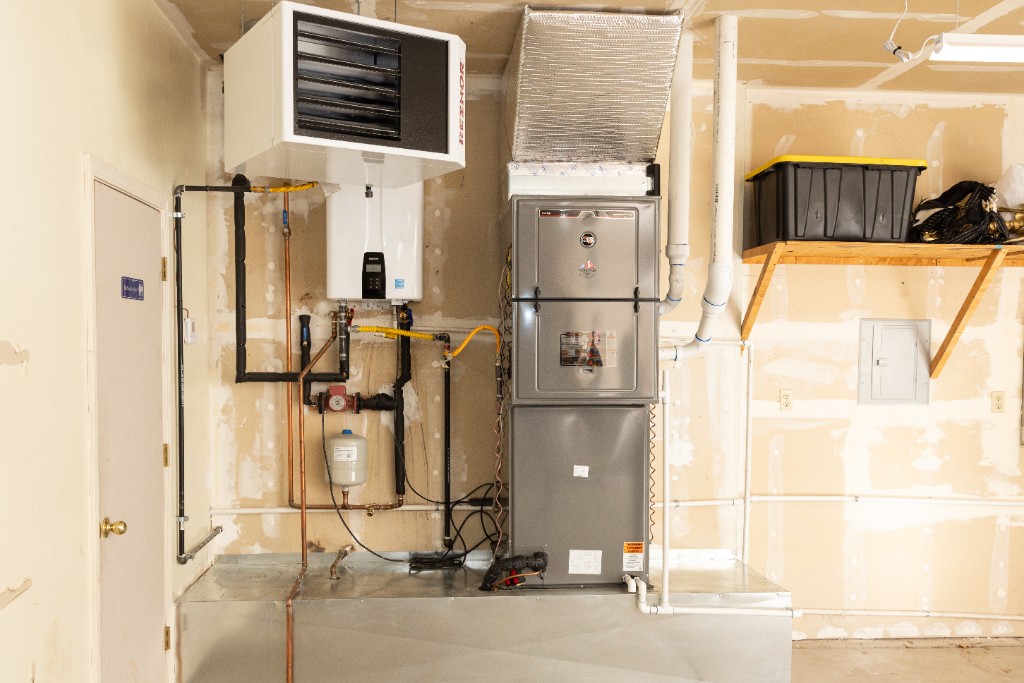
Precision installs — heating, cooling, and water heating
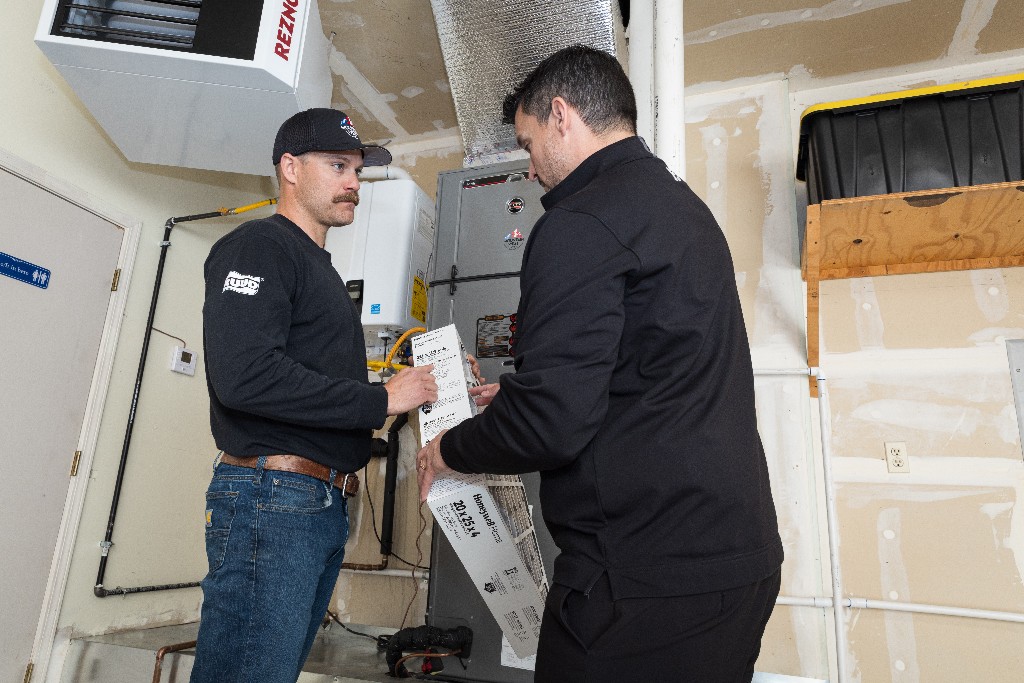
Water heater service and high-efficiency upgrades
Related Services
Ready to Get Started?
Contact us today for a free estimate on your {title} needs.