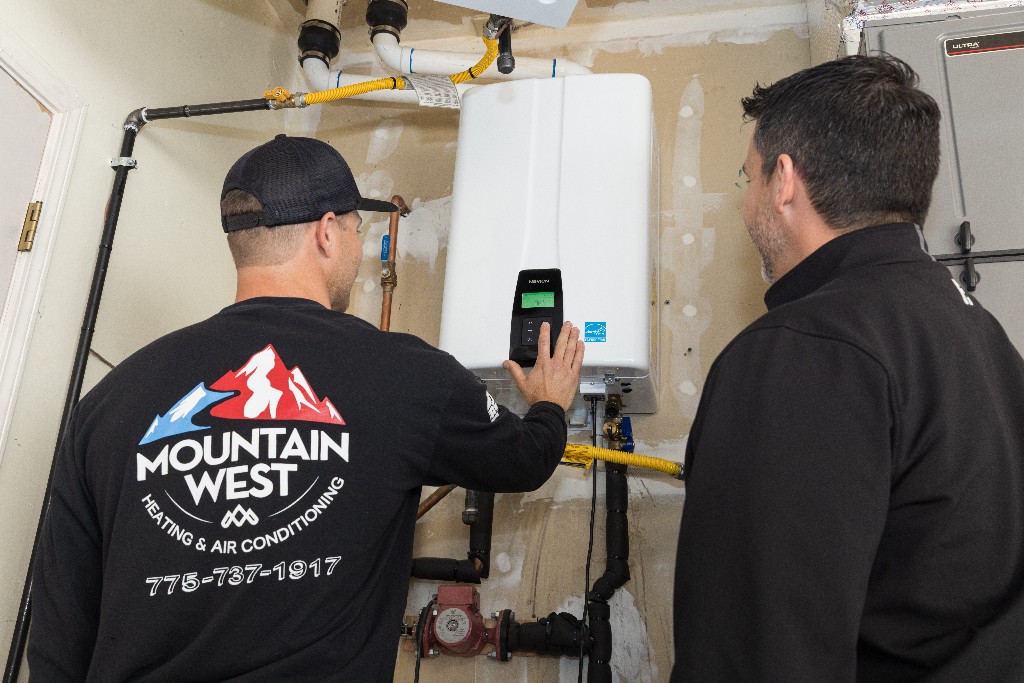
Water Heater Inspection & Testing in Washoe Valley, NV
Water heater inspection & testing in Washoe Valley, NV. Diagnose strange noises, discolored water, or leaks. Ensure reliable hot water. Schedule today!
Failing Hot Water in Your Washoe Valley Home?
Are you noticing your hot water running out too quickly during those chilly high desert mornings, or hearing strange rumbling noises from the tank in your Washoe Valley home? These aren't just minor annoyances; they are clear signals that your water heater is struggling against sediment buildup from our region's hard water or dealing with aging components that need professional attention. Don't wait for a cold shower surprise to take action, because Mountain West Heating and Air Conditioning is ready to provide the expert water heater inspection and testing you need to restore reliable comfort.
Warning Signs Your Water Heater Needs Inspection
Not Enough Hot Water or Fluctuating Temperatures
You step into the shower expecting a warm start to your day, but the water turns lukewarm within minutes. Sometimes, you might even notice the temperature swinging between hot and cold unexpectedly while you are washing dishes or doing laundry. This frustrating experience is one of the most common indicators that your water heating system is no longer operating at peak capacity.
This typically indicates a failing heating element, a malfunctioning thermostat, or heavy mineral buildup displacing the actual water volume inside your tank. When sediment takes up space at the bottom of the unit, your system simply cannot hold or heat as much water as it used to. Ignoring this issue means your unit is working overtime to heat less water, pushing the system closer to a complete breakdown.
Strange Noises from the Tank
Water heaters should operate relatively quietly in the background of your home. If you start hearing loud banging, popping, rumbling, or sizzling sounds coming from your utility closet or garage, it is time to pay attention. These noises are particularly noticeable when the unit is actively trying to heat a new batch of water.
In our area, these sounds are almost always a symptom of heavy sediment accumulation at the bottom of the tank. As the burner or heating element attempts to warm the water, it must first heat the thick layer of mineral deposits. Water gets trapped under this sediment, turns into steam, and violently bubbles up through the mineral layer, creating those distinct popping and rumbling noises.
Discolored or Smelly Hot Water
Turning on your faucet and seeing rusty, murky, or brown water is an immediate cause for concern. You might also notice an unpleasant metallic taste or a strong rotten egg smell wafting from the hot water tap. Clean hot water should always be perfectly clear and completely odorless.
Rusty water usually points to advanced corrosion inside the tank itself or a completely depleted anode rod that can no longer protect the metal lining. A rotten egg smell often indicates a buildup of specific bacteria reacting with the magnesium or aluminum in that same anode rod. Corroded tanks are on borrowed time and can suddenly burst, making a professional assessment absolutely critical.
Leaks or Puddles Around the Water Heater
Discovering water pooling around the base of your water heater is a serious warning sign that requires immediate action. You might also spot moisture around the pipe connections, rust streaks running down the exterior jacket of the tank, or a slow drip from the pressure relief valve. Water should never be present on the outside of your heating equipment.
Even the smallest leak can quickly escalate into a catastrophic flood, causing thousands of dollars in property damage to your flooring, drywall, and belongings. Leaks often stem from loose connections or a failing valve, but they can also indicate that the inner steel tank has finally cracked due to thermal expansion and corrosion. Early inspection can pinpoint the exact source and prevent a minor drip from becoming a major emergency.
Unexpected Increases in Energy Bills
You check your monthly utility statement and notice a sharp increase in your energy costs, even though your household's hot water usage has not changed. When heating bills climb without a logical explanation, your heavy appliances are usually to blame. Water heaters are among the largest energy consumers in any home.
An inefficient water heater forces the unit to work much harder and run much longer to reach the desired temperature setting. Sediment buildup acts as an insulator between the heat source and the water, meaning you are essentially paying to heat a layer of rock before you ever heat your water. A thorough inspection can identify this inefficiency, saving you money and extending the functional life of your equipment.
What is Actually Causing Your Hot Water Issues
Sediment Buildup Inside the Tank
Over time, dissolved minerals like calcium and magnesium naturally settle out of the water and collect at the bottom of your water heater tank. As these minerals solidify, they form a thick, rock-like layer of sediment that covers the heating elements or insulates the gas burner. This is a continuous process that happens every time new water enters the system.
The hard water quality found in many local wells and municipal supplies makes sediment buildup a leading cause of water heater failure in our area. A professional water heater inspection includes evaluating the extent of this buildup and performing a comprehensive tank flush. Removing these accumulated sediments restores the heat transfer process and significantly extends the unit's lifespan.
Aging Components and Wear and Tear
Like any mechanical system in your home, water heater components simply wear out over time from constant daily use. Heating elements burn out, thermostats lose their calibration, and the sacrificial anode rod eventually dissolves completely. Most standard tank water heaters have an expected functional lifespan of about eight to twelve years.
Many established properties in our community have water heaters that are nearing or have already surpassed this typical lifespan. Continuous operation in an environment with hard water accelerates this internal wear and tear. During a testing visit, we check the electrical continuity and physical condition of these critical components to catch failures before they leave you without hot water.
Corrosion and Internal Degradation
The inside of your water heater tank is constantly exposed to water, heat, and dissolved minerals, creating the perfect environment for rust. To combat this, manufacturers install an anode rod designed to attract corrosive elements and rust away instead of the steel tank walls. Once that rod is fully depleted, the corrosive forces turn their attention to the tank itself.
If the tank's protective measures are not regularly inspected and replaced, internal degradation happens rapidly. Once the steel wall of the tank begins to rust through, the structural integrity is compromised and a leak is inevitable. Assessing the anode rod's integrity and replacing it when necessary is the most cost-effective way to prevent premature tank failure.
Inadequate or Skipped Maintenance
Many homeowners naturally overlook their water heater, leaving it out of sight and out of mind until a major problem arises. Skipping annual inspections allows small, easily correctable issues to compound silently over months and years. What could have been a simple adjustment turns into a costly breakdown.
Regular maintenance is the only way to mitigate the harsh effects of local water conditions on your plumbing infrastructure. A professional inspection serves as the core of preventative care, catching problems while they are still manageable. Staying proactive ensures your system operates safely and efficiently year after year.
What to Expect During Your Water Heater Inspection
Comprehensive Visual Assessment
When a Mountain West Heating and Air Conditioning technician arrives at your property, we begin with a thorough visual examination of the entire system. We carefully inspect the exterior of the tank, the cold water inlet, the hot water outlet, and all visible plumbing connections for any signs of corrosion, weeping, or active leaks. If your water heater is located in an unheated garage or crawl space, we also check the condition of the pipe insulation to ensure you are protected against freezing temperatures.
For gas-powered units, we examine the venting system to ensure dangerous exhaust gases are properly routed outside your home. We also inspect the gas line connections and the burner assembly for proper alignment and clean combustion. This initial visual sweep helps us identify any immediate safety hazards or obvious mechanical failures before we begin diagnostic testing.
Component Testing and Diagnostics
After the visual inspection, we move on to hands-on testing of the system's critical safety and operational components. We test the temperature and pressure relief valve to ensure it will open correctly if the internal tank pressure ever reaches dangerous levels. We also check the thermostat calibration to confirm the water is being heated to a safe, efficient temperature that prevents scalding while inhibiting bacterial growth.
For electric models, we use specialized multimeters to test the voltage and resistance of the upper and lower heating elements. We also evaluate the condition of the sacrificial anode rod by partially removing it from the top of the tank. If we determine that sediment is impacting performance, we will perform a full system flush to clear the debris and restore your unit's heating capacity.
Transparent Reporting and Solutions
Once the inspection and testing are complete, we sit down with you to explain exactly what we found inside your system. We provide a clear, plain-language breakdown of your water heater's current health, highlighting any components that are showing excessive wear. You will never have to guess about the condition of your equipment or what steps to take next.
If we uncover issues that require attention, we provide straightforward recommendations and upfront pricing for any necessary repairs. Whether you need a simple part replacement, a deep tank flush, or advice on upgrading an aging unit, we make sure you have all the facts. Our goal is to empower you to make the best decision for your home and your budget.
Related Services to Consider
Regular water heater inspection and testing are fundamental to ensuring consistent comfort and safety in your home. If our diagnostic testing reveals issues beyond basic maintenance, our team specializes in expert Water Heater Repair & Service to address everything from faulty thermostats to failing gas valves. For older units that are heavily corroded or experiencing irreparable leaks, we also provide professional Water Heater Installation & Replacement to help you upgrade to a modern, high-efficiency system that perfectly meets your daily hot water demands.
The Cost of Ignoring Water Heater Problems
Escalating Damage and Safety Risks
Ignoring warning signs from your water heater is never a safe bet, as these systems handle immense pressure, high temperatures, and either high-voltage electricity or combustible gas. A failing temperature and pressure relief valve can turn a standard water tank into a serious explosion hazard if the internal pressure builds without a release path. Furthermore, gas units with compromised venting or dirty burners can introduce dangerous carbon monoxide into your living spaces.
Beyond immediate safety concerns, waiting to address minor leaks or heavy corrosion drastically increases the risk of a sudden, catastrophic tank rupture. When a tank gives way, it can dump forty to fifty gallons of water directly into your home in a matter of minutes. This leads to severe water damage to your drywall, flooring, and structural framing, requiring expensive remediation that far exceeds the cost of a routine inspection.
The Financial Drain of Inefficiency
Even if your failing water heater does not leak or pose an immediate safety threat, it is actively draining your wallet through lost efficiency. As sediment builds up and components wear down, the system must consume significantly more electricity or gas to produce the same amount of hot water. You end up paying higher utility bills every single month just to maintain your basic daily routines.
Running a compromised system also accelerates the wear on the few components that are still functioning correctly. The longer you force a struggling unit to operate, the more likely you are to burn out the heating elements or overwork the gas burner. Proactive testing stops this cycle of waste, protecting your property and ensuring you are not overpaying for your home's hot water supply.
Ensure Reliable Hot Water Today
Do not let water heater worries disrupt your daily routines or threaten the safety of your property. Mountain West Heating and Air Conditioning is your trusted, locally owned partner for expert water heater inspection and testing in Washoe Valley. With our deep understanding of local water conditions and our commitment to technical excellence, we are ready to provide the thorough, honest service your home deserves. Contact us today to schedule your comprehensive water heater inspection and secure dependable, efficient hot water for years to come.
Other Water Heaters Services
- Water Heater Repair & Service
- Water Heater Installation & Replacement
- Water Heater Maintenance & Tune-Up
- Water Heater Inspection & Testing
- Water Heater Emergency Repair
Why Choose Us
- 8+ Years of Experience
- Licensed & Insured
- Upfront Pricing
- 100% Satisfaction Guarantee
- Same-Day Service Available
Service Gallery
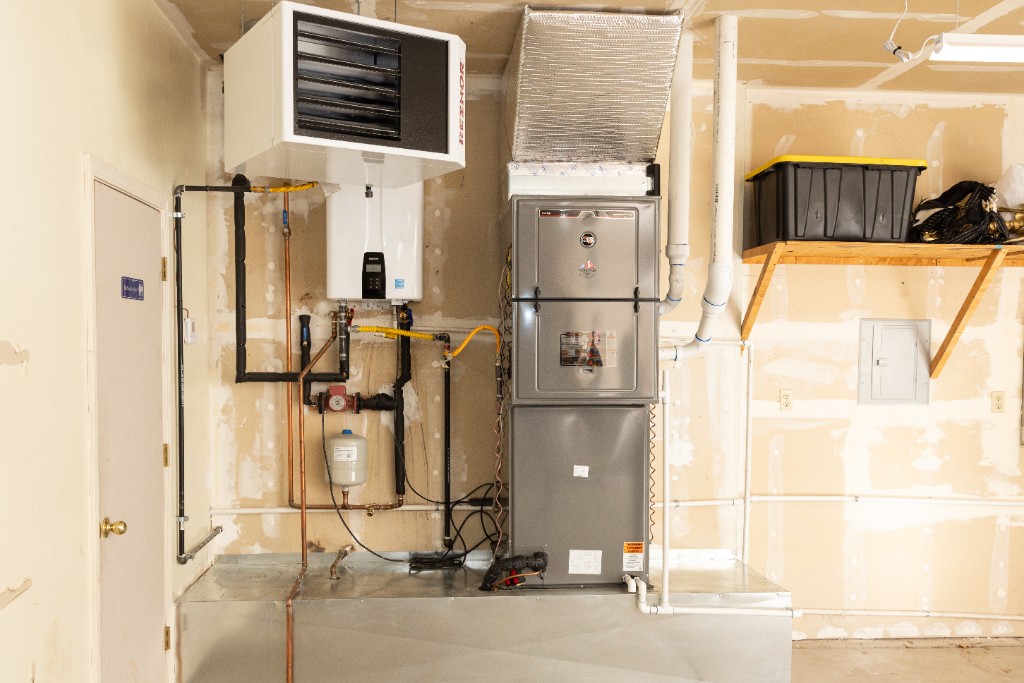
Precision installs — heating, cooling, and water heating
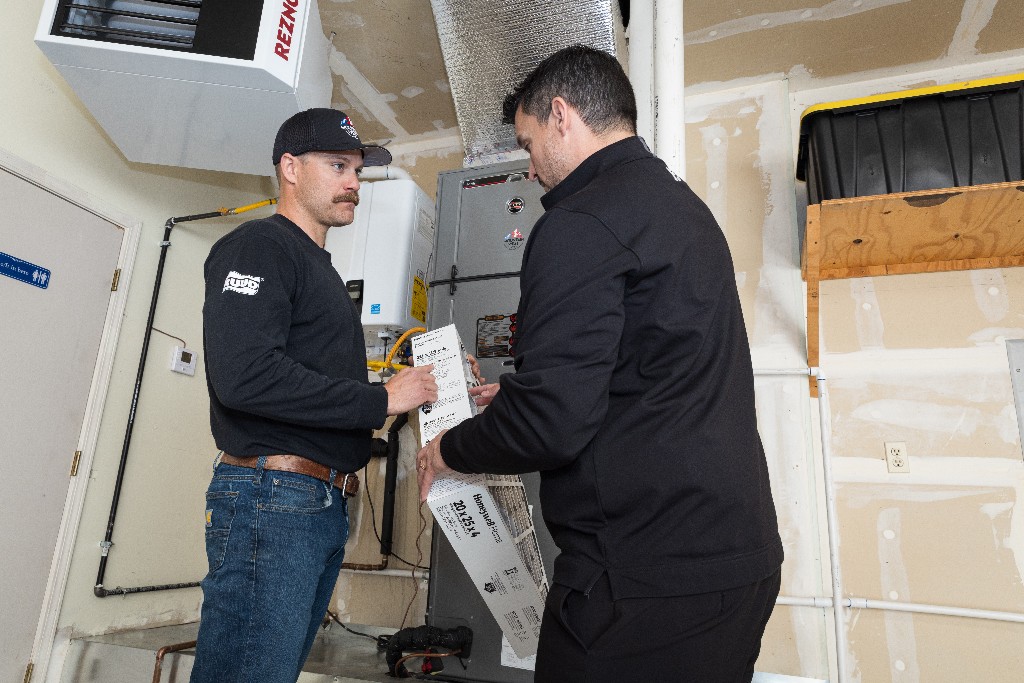
Water heater service and high-efficiency upgrades
Related Services
Ready to Get Started?
Contact us today for a free estimate on your {title} needs.