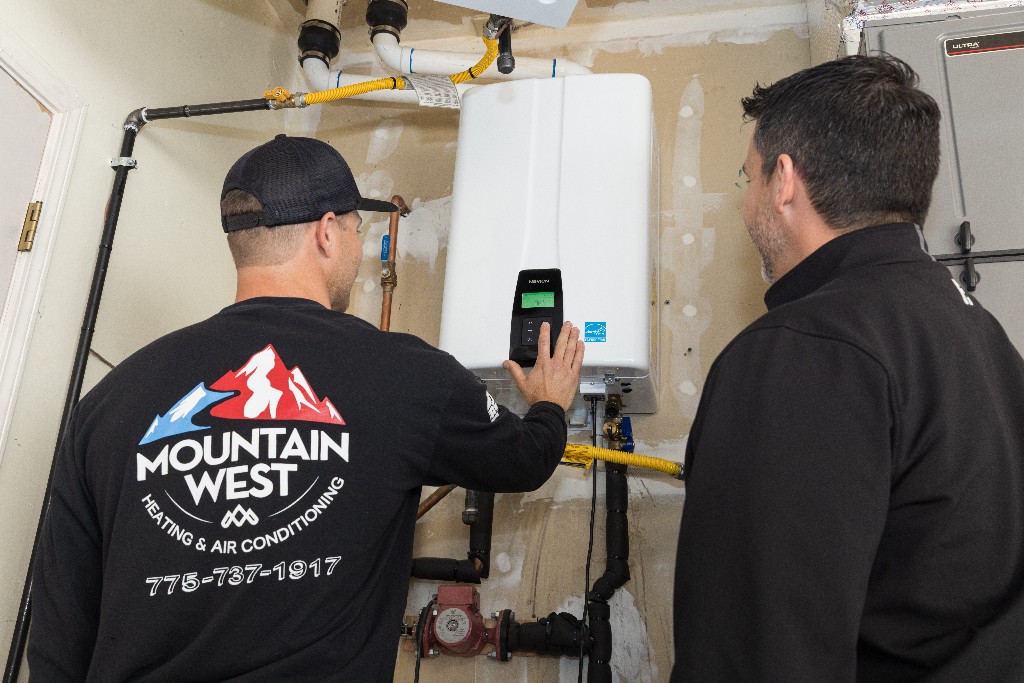
Heat Pump Inspection & Testing in Empire, NV
Is your Empire, NV heat pump struggling? Get expert heat pump inspection & testing to prevent costly breakdowns and high energy bills.
Is Your Empire, NV Heat Pump Struggling to Keep Up?
Is your Empire home's heat pump fighting a losing battle against the high desert temperatures, running constantly while your energy bills spike and strange noises rattle from the outdoor unit? In our unique climate of extreme heat and biting cold, a struggling system isn't just a minor annoyance—it is a warning sign that your equipment is overworked and edging toward a costly breakdown. Don't wait for a total failure; Mountain West Heating and Air Conditioning is ready to provide the thorough heat pump inspection and testing you need right now to restore your comfort.
Signs Your Heat Pump Needs an Immediate Inspection
You know your home better than anyone, and you can usually tell when something feels off with your climate control. Heat pumps are incredibly resilient machines, but they will always give you warning signs when they are struggling to keep up with the demands of the Nevada desert. Paying attention to these early symptoms can save you from a complete system failure.
Reduced Heating or Cooling Power
You set your thermostat to a comfortable temperature, but your home never quite reaches that target, whether you are trying to escape the summer heat or the winter chill. The air coming from your vents might feel noticeably weaker, or it simply lacks the intense heating or cooling power you are used to experiencing. This tells us your heat pump is struggling to effectively transfer heat, which is the core function of the entire system.
In extreme temperatures, a system that cannot keep up is often overwhelmed by underlying issues like dirty coils, low refrigerant, or a failing compressor. When your system cannot reach the set temperature, it runs continuously in a desperate attempt to satisfy the thermostat. Over time, this constant overexertion will lead to a complete breakdown of critical components and leave you dealing with a miserable indoor environment.
Unusual Noises from the Outdoor Unit
Your heat pump should operate with a steady, predictable hum, so any sudden grinding, squealing, rattling, or persistent buzzing from the outdoor unit is a major red flag. These harsh sounds typically start when the unit kicks on or shuts down, signaling that something mechanical is actively failing or out of balance. Because our local environment is notoriously windy and dusty, debris accumulation inside the cabinet is a very common culprit for these alarming noises.
Beyond debris, these sounds often point to worn-out motor bearings, loose fan blades, or failing electrical relays. Ignoring unusual noises is incredibly risky because a loose fan blade can easily detach and shred your delicate condenser coil. A failing motor that is left to grind away will eventually seize entirely, leading to a complete system shutdown and a much larger repair bill.
Unexpected Spikes in Energy Bills
We all expect our utility bills to fluctuate slightly with the seasons, but a sudden, massive spike in your monthly costs is a clear indicator of trouble. If your thermostat settings and daily usage habits have not changed, but your energy bill has skyrocketed, your system is working far too hard. An inefficient heat pump has to run much longer cycles to achieve and maintain your desired indoor temperature.
This increased workload directly translates to wasted electricity and higher monthly expenses. You are literally paying more money for less comfort while simultaneously putting unnecessary strain on aging components. Catching this inefficiency early through proper testing stops the financial bleed and extends the overall lifespan of your equipment.
Frequent Cycling or Short Cycling
A healthy heat pump runs in smooth, consistent cycles to maintain an even temperature throughout your home. If your unit turns on and off constantly, or if it runs for only a few brief minutes before shutting down abruptly, it is experiencing a serious issue known as short cycling. The system is physically unable to complete a full heating or cooling cycle before an internal safety switch forces it to stop.
This behavior often points to an improperly sized system, a malfunctioning thermostat, a severely clogged air filter restricting vital airflow, or dangerously low refrigerant levels. Short cycling places immense, repetitive stress on the compressor, which is the most expensive component inside your entire system. Allowing a unit to short cycle will rapidly destroy the compressor and drastically reduce the operational lifespan of your equipment.
Icing on the Outdoor Unit
During our freezing winters, it is perfectly normal for a heat pump to develop a light frost and periodically run a defrost cycle to clear it. However, if you see a thick, solid layer of ice building up on the outdoor coil or encasing the base of the unit, you have a serious malfunction. Excessive icing means the system cannot properly absorb heat from the outside air, and its internal defrost mechanism is likely failing.
Ice acts as a powerful insulator, completely suffocating the outdoor coil and severely reducing your system's ability to heat your home. If left unchecked, this heavy ice buildup can physically crush the delicate aluminum fins on the coil or damage the fan motor blades. We need to inspect the system immediately to restore proper airflow and prevent catastrophic damage to the outdoor unit.
What is Actually Causing Your Heat Pump Problems?
When a heat pump starts acting up, the symptoms are just the surface of the issue. To truly fix the problem, we have to dig into the mechanical and electrical systems to find the root cause. Here is what we typically find when we inspect struggling units in our area.
Dirty Coils and Neglected Filters
The outdoor coil is responsible for releasing or absorbing heat, but it can quickly become caked with thick layers of dust, dirt, and debris. Indoors, neglected air filters create a solid wall of trapped particles that severely restricts the vital airflow your system needs to breathe. Both of these blockages prevent efficient heat exchange, forcing the system to work twice as hard to condition your home.
The pervasive dust and high winds in Empire mean your outdoor units accumulate heavy grime much faster than systems in more sheltered locations. Many homeowners do not realize just how frequently their filters need changing when living in a high desert environment. A thorough inspection includes identifying these blockages so we can restore proper airflow through our comprehensive Heat Pump Maintenance & Tune-Up process.
Low Refrigerant Levels
Refrigerant is the vital chemical blood of your heat pump, constantly circulating to absorb and release heat as it changes from liquid to gas. Unlike gas in a car, refrigerant is never consumed during normal operation, so low levels are almost always the direct result of a physical leak. Constant operation under extreme temperature demands puts immense pressure and vibration on copper refrigerant lines, which can eventually create microscopic stress fractures.
When your system runs low on refrigerant, it loses its ability to move heat effectively, leading to weak airflow and frozen coils. During our testing process, we use sensitive electronic leak detectors to pinpoint the exact location of the escaping gas. Once we locate the compromised area, we can repair the leak and recharge the system to the precise specifications required by the manufacturer.
Electrical Component Wear and Malfunctions
Your heat pump relies on a complex network of electrical components, including capacitors, contactors, relays, and heavy-duty wiring, to operate safely. Over time, these parts endure incredible stress, especially when forced to cycle frequently under the intense heat of summer and the freezing cold of winter. Capacitors lose their ability to hold a charge, contactors become pitted and scarred from electrical arcing, and wires can vibrate loose.
When these electrical components begin to fail, they can cause the system to draw too much amperage, trip your circuit breakers, or refuse to start entirely. During a professional inspection, we test every critical electrical connection and measure the exact voltage and amperage of your motors. Identifying and replacing a weak ten-dollar capacitor today can save you from replacing a burnt-out two-thousand-dollar compressor tomorrow.
Airflow Restrictions in Ductwork
Sometimes the heat pump itself is working perfectly, but the conditioned air simply cannot make it into your living spaces. Blockages, disconnected joints, or poorly designed ductwork can trap air inside your walls, crawlspaces, or attic. Older homes in the area often feature original duct systems that have deteriorated, developed massive air leaks, or become clogged with decades of accumulated dust.
When ductwork fails, your heat pump pushes air into empty voids instead of your living room, causing your system to run endlessly without ever changing the indoor temperature. Our inspection process includes evaluating the static pressure of your system to uncover these hidden airflow issues. If we find significant leaks, we will walk you through options like Duct Sealing Services to ensure every ounce of conditioned air reaches your family.
What to Expect During Your Heat Pump Inspection
When you call Mountain West Heating and Air Conditioning out to your property, you are getting a comprehensive diagnostic evaluation from a trained professional, not just a quick visual glance. We arrive on time, listen carefully to the specific problems you have been experiencing, and respect your home while we work. Our founder, Andrew Morrell, built this company on the belief that technical excellence must be paired with genuine integrity, and that philosophy guides every inspection we perform.
We start by examining the physical condition of both your indoor air handler and your outdoor condenser, checking for obvious damage, heavy debris, or strange vibrations. From there, we attach our digital gauges to measure the precise operating pressures of your refrigerant lines and calculate the superheat and subcooling metrics. We test the electrical draw of your compressor and fan motors to ensure they are operating within safe, factory-specified ranges.
Complete System Evaluation
We do not stop at the major components; we also evaluate the supporting cast that keeps your system running efficiently. We check your thermostat calibration to ensure it is sending the correct signals to the equipment. We measure the temperature drop across your indoor coil to verify that heat is actually being transferred effectively.
Once we have gathered all the diagnostic data, we sit down with you to explain exactly what is happening with your equipment in plain, easy-to-understand language. We provide a detailed report of our findings alongside transparent, zero-pressure recommendations for any necessary repairs. Our goal is to give you the facts so you can make an informed decision about your home comfort.
Related Services to Consider
To further enhance your home comfort and protect your equipment, we highly recommend pairing your inspection with a comprehensive Heat Pump Maintenance & Tune-Up. This proactive service goes beyond diagnostic testing to include deep cleaning, mechanical lubrication, and precision adjustments that keep your system running at peak efficiency. If our inspection reveals that a component has already failed, our expert Heat Pump Repair & Service team is fully equipped to provide reliable, long-lasting solutions right on the spot.
The True Cost of Delaying Your Inspection
Ignoring the early warning signs of a struggling heat pump is a gamble that almost always ends up costing you more money and frustration. Beyond the immediate daily discomfort of a home that will not stay warm or cool, you are actively paying higher utility bills as your inefficient system works overtime. That constant overexertion acts like a fast-forward button on the wear and tear of your equipment.
Minor, easily correctable issues—like a clogged filter or a failing capacitor—can quickly trigger a domino effect of mechanical failure. When a system is pushed beyond its limits, the compressor takes the brunt of the abuse, and replacing a dead compressor is one of the most expensive repairs in the industry. Regular inspections are the only reliable way to catch these small problems before they destroy your system.
Protecting Your Long-Term Comfort
Every season you force a struggling heat pump to operate without professional intervention, you are shaving years off its total lifespan. What could have been a simple adjustment today might turn into a catastrophic failure in the middle of a freezing winter night.
When a system is completely neglected, it often deteriorates to the point where repairs are no longer financially sensible. This forces you into an unexpected and highly stressful Heat Pump Installation & Replacement much sooner than you ever planned. Investing in a professional inspection today is an investment in your peace of mind, your monthly budget, and the long-term survival of your HVAC system.
Empire's Trusted Heat Pump Experts Are Here
You do not have to settle for a home that feels uncomfortable or a climate control system you cannot trust. Mountain West Heating and Air Conditioning is deeply committed to providing our neighbors with the expert diagnostic services needed to conquer the high desert climate. If your system is showing signs of struggle, contact us today to schedule your comprehensive inspection and get your comfort back on track.
Other Heat Pumps Services
- Heat Pump Repair & Service
- Heat Pump Installation & Replacement
- Heat Pump Maintenance & Tune-Up
- Heat Pump Inspection & Testing
- Heat Pump Emergency Repair
Why Choose Us
- 8+ Years of Experience
- Licensed & Insured
- Upfront Pricing
- 100% Satisfaction Guarantee
- Same-Day Service Available
Service Gallery
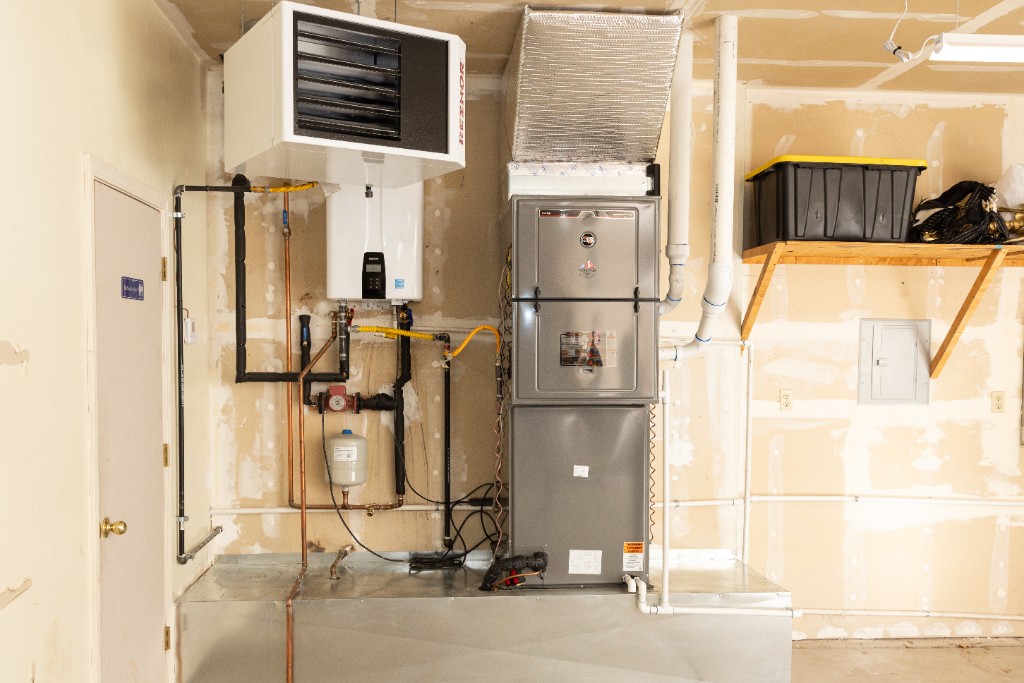
Precision installs — heating, cooling, and water heating
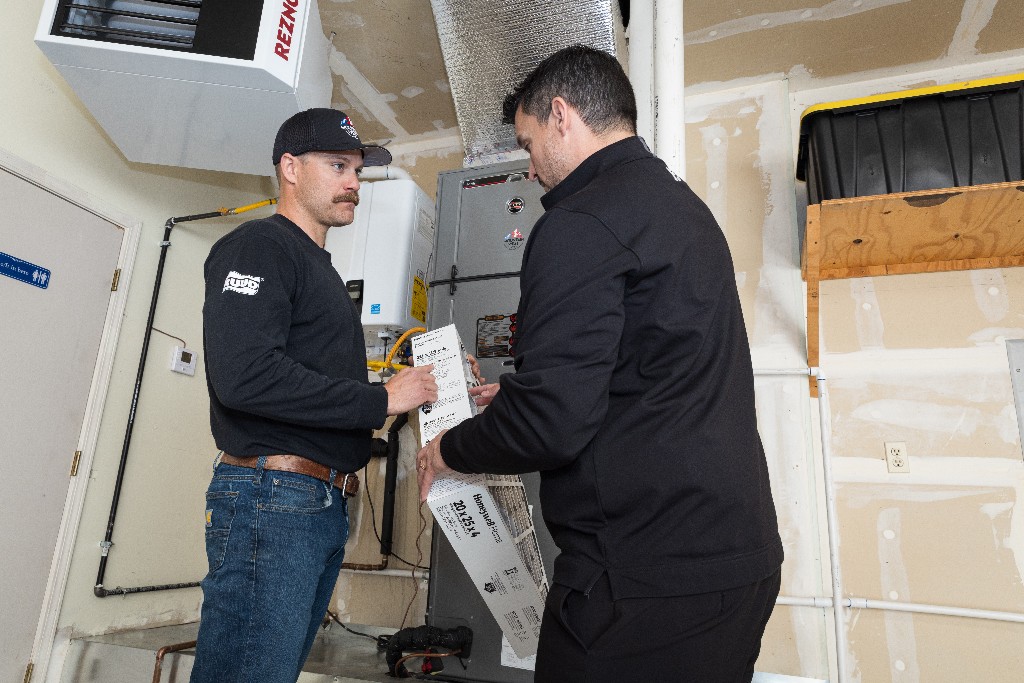
Water heater service and high-efficiency upgrades
Related Services
Ready to Get Started?
Contact us today for a free estimate on your {title} needs.