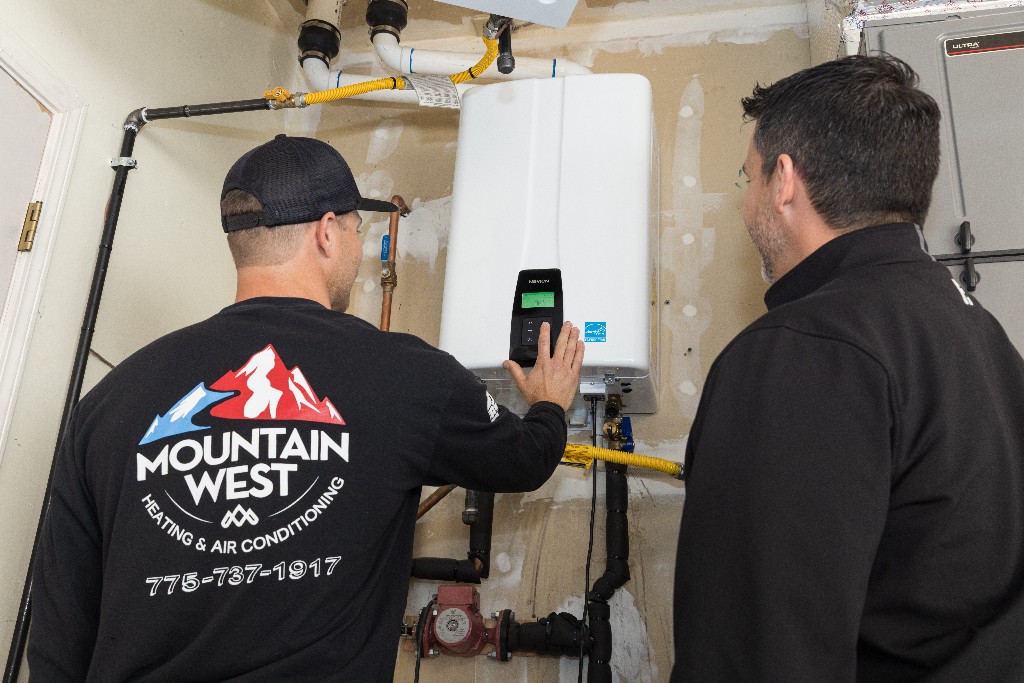
Water Heater Emergency Repair in Indian Hills, NV
Water heater emergency in Indian Hills, NV? Get urgent repair for leaks, no hot water, or strange noises. Restore comfort quickly. Call for service!
Water Heater Emergency Repair in Indian Hills, NV
Is your Indian Hills home suddenly without hot water, leaving you with an unexpected icy shower or a growing puddle threatening your garage floor? These sudden failures are not minor inconveniences; they are serious property concerns that can escalate into extensive water damage or severe safety hazards if ignored. When a critical plumbing failure strikes, Mountain West Heating and Air Conditioning is ready to provide the urgent, expert repair services you need to restore your home's comfort and safety.
Urgent Warning Signs Your Water Heater Needs Emergency Repair
Recognizing a problem early can save you from a complete plumbing disaster. We see these specific warning signs constantly when responding to emergency calls. If you notice any of these symptoms, your system is crying out for immediate professional attention.
No Hot Water at All
You turn on the faucet expecting a warm stream, but only freezing cold water comes out. This might happen intermittently at first, but eventually, there is no hot water at any tap in your house. This complete loss of heating capability is the clearest indicator of a total system failure.
This issue could stem from a faulty heating element in an electric unit or a failed pilot light in a gas model. It might also point to a tripped breaker, a malfunctioning thermostat, or a severe leak that has completely drained the tank. Beyond the immediate shock to your daily routine, a complete lack of hot water signals a fundamental problem that requires professional diagnosis.
Leaks or Puddles Around the Tank
You discover standing water, constant drips, or a dark, damp spot on the floor around the base of your unit. This is often found in the garage or utility closet of your Indian Hills property. A visible leak usually indicates a problem with the tank itself, a loose plumbing connection, or a failing pressure relief valve.
Tank leaks often signify deep internal corrosion and are typically irreparable. Even a small, slow drip can lead to significant water damage to your flooring, walls, and personal belongings. A major leak could suddenly flood your property, requiring extensive and costly remediation efforts.
Strange Noises (Banging, Rumbling, Popping)
Your unit starts making unusual and loud noises, particularly when it is actively trying to heat water. You might hear aggressive banging, deep rumbling, sharp popping, or even a high-pitched whining sound echoing from the utility room. These sounds are not normal operating noises and indicate severe internal stress.
These noises are often a tell-tale sign of excessive sediment buildup at the bottom of the tank. As the heating element tries to warm the water, it also heats this thick layer of sediment, causing it to bounce against the metal walls. Sediment buildup drastically reduces your system's efficiency, forcing it to work harder and increasing the risk of a ruptured tank.
Discolored or Smelly Hot Water
When you turn on your hot water tap, the water appears rusty, murky, or carries a foul, metallic odor. Sometimes it might even smell strongly like sulfur or rotten eggs. This is an immediate sign that something is rapidly degrading inside your plumbing system.
Rusty water usually indicates active corrosion inside the tank or the connecting pipes, often due to a completely depleted anode rod. A sulfurous smell points to bacteria growing inside the tank, reacting with the anode rod material. Beyond being thoroughly unpleasant for bathing, rusty water suggests the structural integrity of your tank is compromised.
Pilot Light Issues or Burner Failure
If you have a gas-powered unit, you might notice the pilot light repeatedly goes out or refuses to stay lit. Alternatively, the main burner simply will not ignite, even when there is a clear demand for hot water in the house. You might hear a clicking sound with no successful ignition following it.
This failure could be due to a faulty thermocouple, a clogged pilot tube, or deeper issues with the gas valve assembly. It might also be a problem with the internal thermostat that prevents the burner from receiving the signal to fire. Problems with gas lines or burners pose serious safety risks, including the potential for dangerous carbon monoxide leaks.
Understanding Why Your Water Heater Fails
Water heaters work incredibly hard behind the scenes, and eventually, the constant stress takes a toll. Understanding what went wrong helps us implement the exact right fix. Here are the most common culprits we diagnose in the field.
Severe Sediment Buildup
Over time, heavy minerals like calcium and magnesium settle heavily at the bottom of your tank. This accumulation creates a thick, insulating barrier between the heating element or burner and the water itself. This forces the unit to run longer and hotter just to reach your desired temperature.
The well-known hard water conditions across our region are the primary culprits for this accelerated sediment buildup. Regular flushing of the tank can usually remove this debris before it hardens into a solid mass. In emergency situations, severe buildup might have already permanently damaged the heating elements or caused the tank bottom to overheat and fracture.
Aging Components and Wear and Tear
Like any major household appliance, these systems have a finite and predictable lifespan. Critical components such as heating elements, thermostats, anode rods, and pressure valves simply wear out over years of continuous, daily operation. Metal fatigues, electrical contacts degrade, and rubber seals eventually dry out.
Many homes in our service area are well-established, meaning their original units may be approaching or exceeding their typical decade-long lifespan. Depending on the specific component and the overall condition of the unit, individual parts can often be swapped out. However, if multiple components are failing simultaneously, a completely new system might be the most reliable choice.
Corroded Tank or Connections
Internal corrosion of the steel tank is a major, irreversible cause of catastrophic leaks. The sacrificial anode rod is specifically designed to attract this corrosion instead of the tank walls, but once that rod is fully depleted, the tank's steel begins to rust rapidly. External corrosion can also aggressively attack plumbing connections and copper supply pipes.
The natural mineral content in your local water supply heavily contributes to this continuous corrosion process. If the tank itself is heavily corroded and actively leaking from the structural seams, a full system replacement becomes absolutely necessary. However, leaking external connections can often be swiftly repaired by replacing the damaged fitting or pipe segment.
Thermostat or Heating Element Failure
The thermostat acts as the brain of the operation, controlling exactly how hot the water gets. If it fails, the system may refuse to heat at all, or worse, it might continuously heat until the water boils dangerously. Electric units rely entirely on one or two submerged heating elements to warm the water, and these elements frequently burn out.
Consistent heavy demand or unexpected electrical fluctuations can easily stress these sensitive components, leading to premature failure. A professional technician can safely test these electrical components with specialized meters to pinpoint the exact failure. We can then replace the faulty thermostat or burnt-out heating element, immediately restoring proper heating function.
Pressure Relief Valve Malfunction
The temperature and pressure relief valve is a critical, non-negotiable safety device built into every unit. It is designed to automatically release pressure if it builds up too high inside the sealed tank, preventing a potentially devastating explosion. If it becomes faulty, it might leak constantly or fail to open when pressure reaches a critical level.
Over time, mineral deposits from the water supply can easily cause these mechanical valves to stick open or corrode shut. They can also simply wear out from age and continuous thermal expansion. A malfunctioning relief valve must be replaced immediately to ensure the safe operation of your equipment.
What to Expect During Your Emergency Service Visit
When you call Mountain West Heating and Air Conditioning for help, you can expect a prompt, professional response focused entirely on solving your problem quickly. Our certified technicians arrive fully equipped to diagnose the issue right then and there. We start with a comprehensive, hands-on inspection of your entire setup.
Comprehensive System Diagnostics
We carefully examine the structural integrity of the tank, all plumbing connections, the heating elements or burner assembly, and all safety valves. We listen closely to your observations about the timeline of the failure and use our field expertise to pinpoint the exact root cause. Founded by Andrew Morrell, our company prioritizes technical excellence and absolute integrity on every single diagnostic visit.
Once the diagnosis is complete, we clearly explain exactly what went wrong without using confusing industry jargon. We present your available repair options and provide clear, upfront pricing so you know exactly what to expect before any tools come out. Our ultimate goal is to perform a lasting, high-quality repair, leaving your home as tidy as we found it.
Related Services You May Need
An emergency repair often highlights the importance of proactive system care. Exploring Water Heater Installation & Replacement services might be a wise long-term financial decision if your current unit is frequently breaking down. Additionally, scheduling regular Water Heater Maintenance & Tune-Up visits can prevent many of these emergency situations from developing in the first place.
The Risks of Delaying Emergency Repair
Ignoring a sudden plumbing emergency can lead to a rapid cascade of costly and highly inconvenient problems for your Indian Hills property. What starts as a seemingly minor, slow leak can quickly escalate into a massive, uncontrolled flood. This causes significant water damage, affecting flooring, drywall, and even nearby electrical systems.
Safety Hazards and Financial Costs
This type of extensive water damage inevitably leads to incredibly expensive mold remediation and structural repairs. A unit operating inefficiently due to heavy sediment buildup will also consume significantly more energy, driving up your utility bills month after month. More critically, underlying issues like a failing pressure relief valve or a subtle gas leak pose immediate, serious safety hazards to your household.
These hazards include the very real threat of carbon monoxide poisoning or even catastrophic pressure explosions. Delaying repair means risking not only greater financial expense but also the fundamental safety and comfort of your family. Addressing the problem immediately with a licensed professional is always the safest and most economical approach.
Reliable Emergency Water Heater Repair for Indian Hills Homes
Do not let a sudden equipment failure threaten the safety of your property. Mountain West Heating and Air Conditioning stands ready to provide the fast, expert service you desperately need right now. Our team treats you like family, ensuring you receive a lasting, proper solution for your plumbing emergency.
Why Choose Us
- 8+ Years of Experience
- Licensed & Insured
- Upfront Pricing
- 100% Satisfaction Guarantee
- Same-Day Service Available
Service Gallery
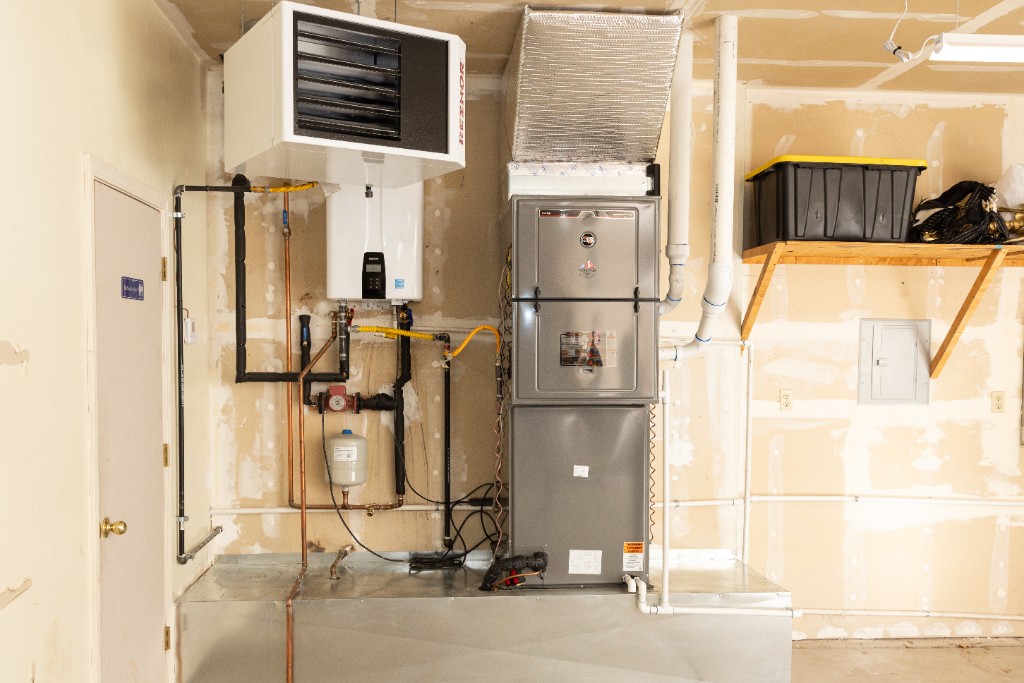
Precision installs — heating, cooling, and water heating
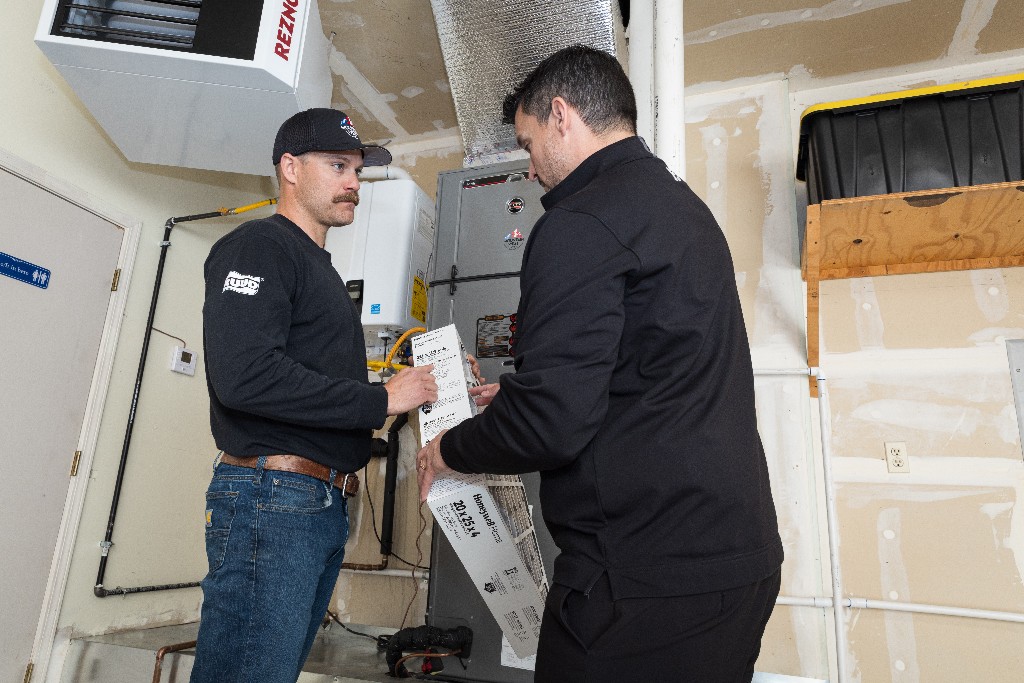
Water heater service and high-efficiency upgrades
Related Services
Ready to Get Started?
Contact us today for a free estimate on your {title} needs.