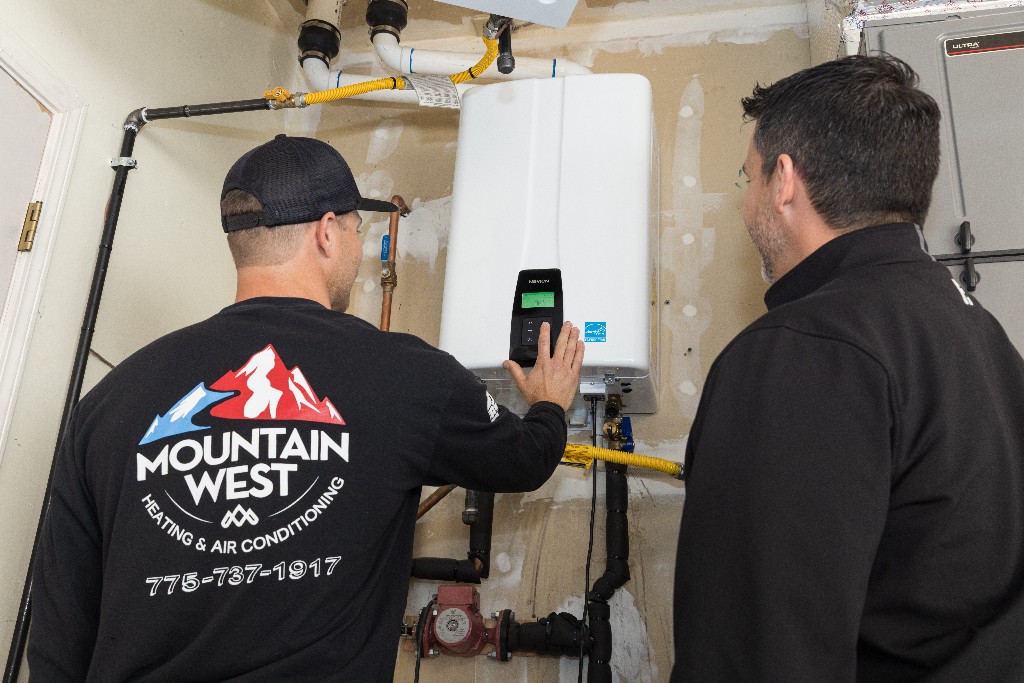
Water Heater Inspection & Testing in Minden, NV
Experiencing cold showers or strange noises from your water heater in Minden, NV? Our expert inspection & testing diagnoses issues. Schedule service today.
Water Heater Inspection & Testing in Minden, NV
Are you finding your morning shower in your Minden home turning cold faster than it used to, or is your water heater making strange rumbling noises from the garage as it struggles to heat water? These are not just minor inconveniences; they are clear indicators that your system is struggling with sediment buildup, wasting energy, and potentially on the verge of a costly breakdown. Mountain West Heating and Air Conditioning provides thorough water heater inspection and testing services designed to diagnose and resolve these issues right away.
Warning Signs & Symptoms
Pay attention to what your plumbing is telling you through daily use. Catching these early symptoms can save you from a massive headache and extensive property damage later.
Reduced Hot Water or Running Out Quickly
You might find your showers getting cold much faster than they used to, or notice that your dishwasher is not getting hot enough water to clean effectively. In areas with cold incoming water temperatures, this drop in performance becomes particularly noticeable as your family struggles to get enough hot water for daily routines. This usually indicates your water heater is not operating at peak efficiency due to internal mechanical issues.
It could be caused by sediment buildup reducing the actual water capacity of the tank, a failing heating element, or a burner issue that prevents proper heating. An inefficient water heater wastes energy and leads to higher utility bills as it struggles to meet demand. If ignored, the problem will likely worsen and potentially lead to a complete loss of hot water.
Strange Noises Like Rumbling or Popping
Hearing unusual sounds coming from your water heater, such as loud rumbling, popping, or hissing, is a clear sign that something is wrong inside the tank. These noises typically happen when the unit is actively heating water and sound almost like a heavy pot of boiling water. Nine times out of ten, these noises are caused by a thick layer of sediment buildup at the bottom of the tank.
As the burner heats the bottom of the tank, water gets trapped under the mineral sediment, boils, and bubbles up, creating those loud popping sounds. This sediment acts as an insulator that forces your equipment to work much harder and longer to heat the water. If left unchecked, it can lead to severe overheating, internal tank corrosion, and eventual premature failure.
Leaking or Puddles Around the Tank
Spotting water pooling around the base of your water heater or noticing rust streaks running down the exterior of the tank is a serious red flag. A leak can stem from various sources, including a failing pressure relief valve, loose pipe connections, a faulty drain valve, or a corroded tank. Any visible water outside the unit is a clear sign that immediate professional attention is required.
Even a small leak can lead to significant water damage to your flooring, nearby drywall, and underlying foundation over time. If the tank itself is compromised by internal rust, a catastrophic burst could flood your utility space or garage. A leaking tank often indicates that the structural integrity of the metal is gone, meaning a replacement might be imminent.
Rusty or Discolored Hot Water
When you turn on your hot water tap and the water appears rusty, brown, or has a distinct metallic taste, your plumbing is sending a clear warning. If the cold water remains clear while the hot water is discolored, the issue is isolated to the water heating equipment itself. This is a strong indicator that the inside of your steel storage tank is actively corroding.
Water heaters are equipped with an anode rod designed to attract corrosive elements and protect the steel tank. Once that rod deteriorates completely, the water begins to attack and rust the tank walls. Ignoring rusty water means you are likely headed for a major tank leak and extensive property damage.
Foul Odors from Hot Water
If your hot water has a distinct rotten egg or sulfur smell when it comes out of the tap, you are experiencing a common but unpleasant water heater issue. This smell is typically caused by harmless bacteria reacting with the magnesium or aluminum anode rod inside your tank. The reaction produces hydrogen sulfide gas, which gets trapped in the water and released when you open a faucet.
While generally not a health hazard, the odor is incredibly unpleasant and indicates an imbalance in your water heater's internal environment. A decaying anode rod also means the tank is no longer protected from corrosion. Addressing this quickly helps eliminate the smell and protects the longevity of your equipment.
What is Causing the Problem
When a water heater starts acting up, there is usually a specific mechanical or chemical reason behind it. Here is what we typically find when we open up these systems to diagnose the issue.
Heavy Sediment Buildup
Minerals like calcium and magnesium are naturally present in the hard water found throughout the region. Over time, these heavy minerals settle out of the water and accumulate at the bottom of your water heater tank, forming a dense layer of sediment. This buildup creates a physical barrier between the heat source and the water inside the tank.
Because of the high mineral content in the local water supply, sediment accumulation is a particularly prevalent issue for Minden homeowners. Regular inspection and flushing of the tank can remove this abrasive layer. Clearing out the sediment restores lost efficiency, lowers operating costs, and extends the overall life of the unit.
Aging Components and Corrosion
Over years of continuous use, internal components like heating elements, gas burners, and the tank walls naturally corrode and wear out. This wear and tear happens even faster if the protective anode rod has been completely depleted. Hard water can accelerate this corrosion as abrasive minerals constantly interact with the metal surfaces inside the system.
Many older properties may have original units that are simply nearing the end of their functional lifespan. A thorough inspection can identify heavily corroded parts before they fail completely. Catching these worn components early allows for timely replacement and prevents a sudden loss of hot water.
Faulty Anode Rod
The anode rod is an essential sacrificial component designed specifically to corrode instead of your steel water tank. As water flows through the system, the rod attracts the corrosive elements, slowly getting eaten away over time. Once it is completely used up, those corrosive elements immediately begin attacking the inner lining of the tank.
Hard water conditions can sometimes accelerate the deterioration of these rods, making their regular inspection critical for protecting your investment. During a service visit, we assess the exact condition of the anode rod to see how much material is left. If it is significantly depleted, replacing it immediately protects the tank from internal rust and adds years to the water heater's life.
Pressure Relief Valve Issues
The temperature and pressure relief valve is arguably the most crucial safety device attached to your water heating system. It is designed to open automatically and release excess pressure or temperature if the tank ever exceeds safe operating limits. If this valve becomes faulty, it can either leak constantly or fail to open when a dangerous pressure spike occurs.
Any water heater can develop valve issues over time due to mineral scale buildup or simple mechanical failure. Regular testing is vital to ensure this valve functions correctly under all operating conditions. If we find a faulty or seized valve during an inspection, we replace it immediately to maintain the safety of your home.
Thermostat or Heating Element Malfunction
For electric water heaters, the internal heating elements can scale over with minerals or simply burn out from years of use. For gas units, the thermostat or pilot light assembly can malfunction, preventing the burner from igniting or properly regulating the temperature. When these components fail, you will experience wildly fluctuating water temperatures or completely cold water.
Water heaters located in unconditioned spaces like garages are exposed to ambient temperature fluctuations, which can place extra strain on these heating components. Diagnostics during an inspection can pinpoint exact thermostat inaccuracies or test the electrical draw of the elements. This allows us to perform precise repairs that restore reliable, consistent hot water to your taps.
What to Expect During the Service Visit
Comprehensive Visual and Mechanical Checks
When Mountain West Heating and Air Conditioning arrives at your home, you can expect a thorough and professional process focused on safety and efficiency. We start by listening to your specific concerns and documenting any symptoms you have noticed, such as strange noises or temperature drops. We then perform a complete visual inspection of your unit to check for hidden leaks, exterior corrosion, or damaged pipe connections.
For gas water heaters, we carefully check the gas lines, burner assembly, and the ventilation exhaust pipe to ensure safe and proper operation. For electric units, we inspect the main wiring connections and test the heating elements to make sure they are drawing the correct amount of power. Every component is evaluated to give us a complete picture of your system's health.
Safety Testing and System Flushing
We always test the temperature and pressure relief valve because it is a critical safety device that prevents dangerous pressure buildup inside the tank. We also inspect the condition of the anode rod, which is absolutely vital for preventing internal tank corrosion and extending the life of the unit. If applicable, we will drain a portion of the tank to check for accumulated sediment caused by local hard water.
Once our physical checks are complete, we compile all our findings into a clear, easy-to-understand assessment. We provide you with a detailed report explaining any potential issues, recommended repairs, or necessary upkeep. Our goal is to answer all your questions and ensure you have a clear understanding of your water heater's condition before we leave.
Related Services You May Need
Maintaining and Upgrading Your System
To maintain optimal home comfort and efficiency, consider pairing your inspection with a comprehensive water heater maintenance and tune-up to extend its lifespan and prevent future issues. If your current unit is showing significant signs of age, severe internal corrosion, or structural leaking, our team also specializes in professional water heater installation and replacement services. We can help you choose and properly install a new, energy-efficient model that perfectly fits your household demands and local water conditions.
Why This Matters and the Cost of Waiting
The Hidden Costs of Neglect
Ignoring warning signs from your water heater or delaying necessary inspection and testing can lead to a cascade of costly and inconvenient problems. The most significant risk is a complete tank failure resulting in a burst water heater that can quickly flood your property. Such an event often requires expensive emergency repairs, extensive water damage restoration for your floors and walls, and a mandatory full system replacement.
Beyond catastrophic failure, a neglected water heater operates incredibly inefficiently and constantly wastes energy. This forces your unit to work harder to heat water through thick layers of sediment, driving up your utility bills month after month. You will also face the daily inconvenience of inconsistent hot water or running out of hot water halfway through a shower.
Protecting Your Investment
Regular inspection is a smart investment in your home's safety, comfort, and long-term financial well-being. By catching small issues like a depleted anode rod or a failing heating element early, you avoid the massive expense of premature tank replacement. It ensures your system operates exactly as the manufacturer intended.
Staying proactive with your plumbing infrastructure gives you total peace of mind. You will not have to worry about waking up to cold showers or coming home to a flooded garage. Professional testing keeps your hot water reliable and your operating costs as low as possible.
Schedule Your Inspection Today
Do not let water heater worries disrupt the comfort and daily routine of your Minden home. You need a trusted local partner dedicated to providing reliable, expert diagnostics built on technical excellence and integrity. Our certified technicians are ready to assess your equipment and provide straightforward, honest solutions. Contact Mountain West Heating and Air Conditioning today to schedule your service visit and ensure your system operates safely and efficiently for years to come.
Why Choose Us
- 8+ Years of Experience
- Licensed & Insured
- Upfront Pricing
- 100% Satisfaction Guarantee
- Same-Day Service Available
Service Gallery
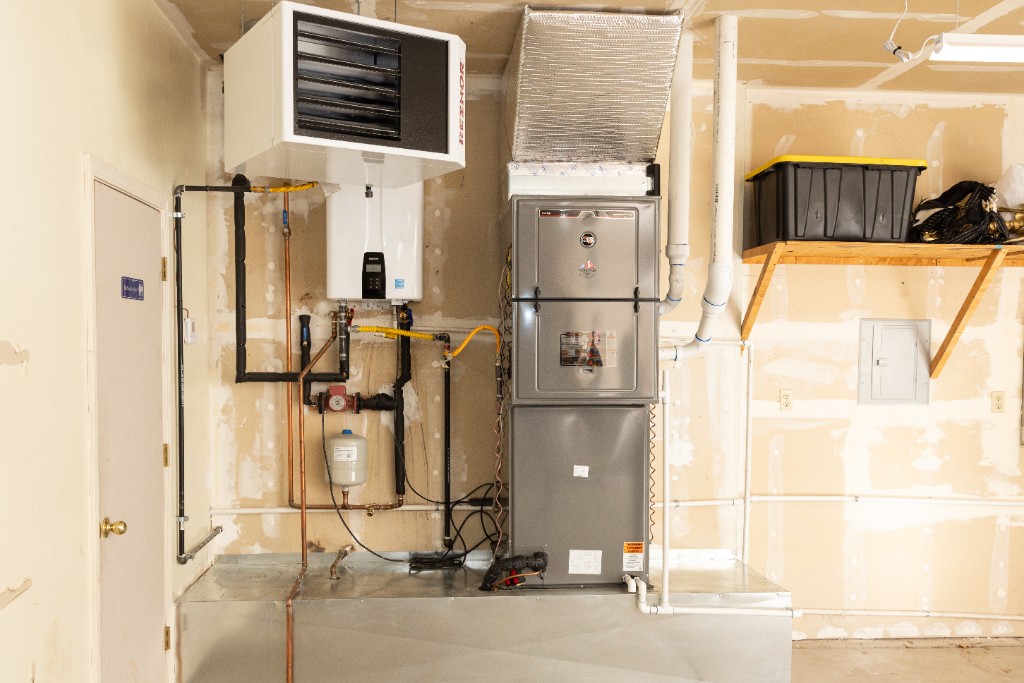
Precision installs — heating, cooling, and water heating
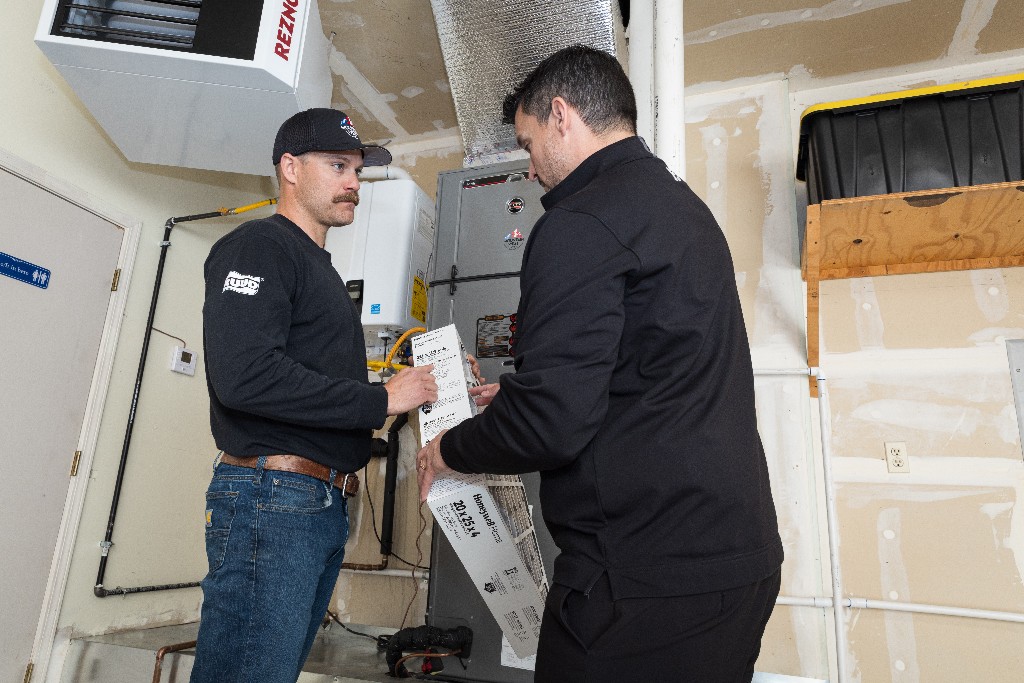
Water heater service and high-efficiency upgrades
Related Services
Ready to Get Started?
Contact us today for a free estimate on your {title} needs.