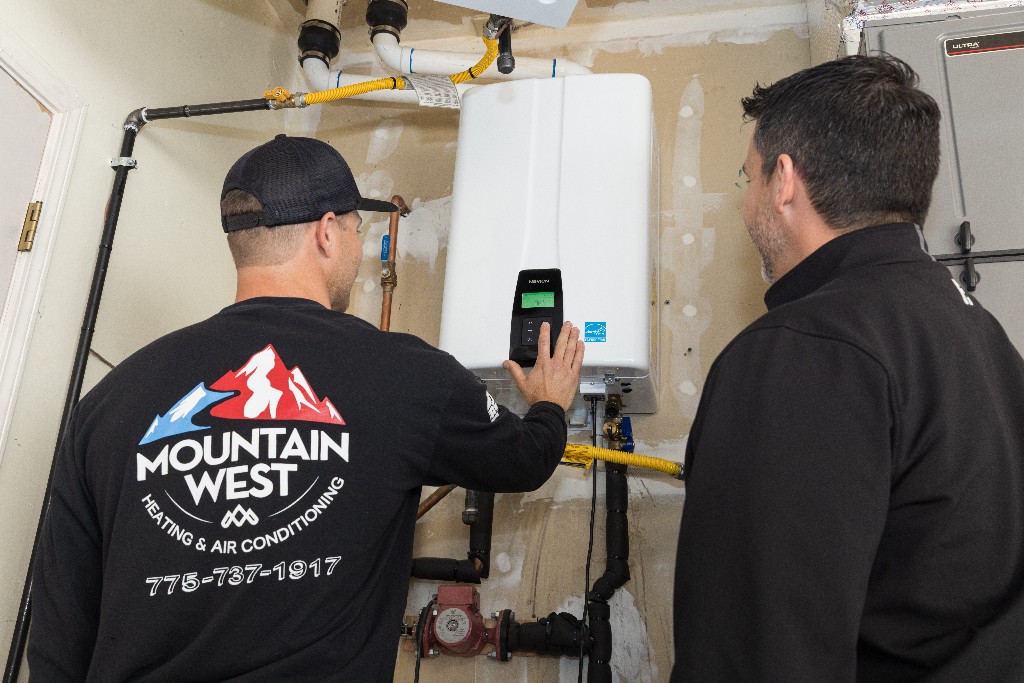
Water Heater Inspection & Testing in Stateline, NV
Water Heater Inspection & Testing in Stateline, NV. Diagnose noises, discolored water, leaks. Prevent breakdowns. Call today!
Expert Water Heater Inspection & Testing in Stateline, NV
Is your Stateline home's water heater making strange rumbling noises, delivering less hot water than it used to, or suddenly providing discolored water? These are not just minor inconveniences; they are clear signals that your water heater is struggling under the demands of hard water and heavy use, potentially wasting energy or nearing a costly breakdown. At Mountain West Heating and Air Conditioning, our certified technicians are ready to provide thorough water heater inspection and testing to diagnose and resolve these problems before they escalate.
Warning Signs Your Water Heater Needs Testing
Strange Noises from the Tank
You might hear unusual sounds coming from your water heater, like rumbling, popping, crackling, or even a high-pitched whine. These noises often become much more pronounced when the unit is actively heating water. Nine times out of ten, these sounds indicate a significant buildup of sediment at the very bottom of the tank.
This sediment issue is highly common in our area due to the hard water found in mountain communities. The sediment traps water underneath, causing it to boil and create steam bubbles that then pop violently as they escape. If ignored, this constant stress can lead to premature failure of the heating element, internal tank corrosion, and potentially a costly leak.
Insufficient or Fluctuating Hot Water
You are running out of hot water much faster than usual, or the water temperature fluctuates wildly during a shower, going from hot to lukewarm or even cold. This is especially noticeable in homes with multiple occupants or after heavy use, which is a frequent scenario in vacation properties. This is a classic symptom of a failing heating element in electric models or a clogged burner assembly in gas units.
Often, this heating failure is exacerbated by sediment buildup that physically insulates the water from the heat source. It could also indicate a faulty thermostat or a tank that is simply too small for your current household demand. An inefficient water heater means higher energy bills and a disrupted daily routine, and continued operation can lead to a complete system breakdown.
Discolored or Rusty Water
The hot water coming out of your faucets appears rusty, murky, or has an unusual tint, especially when first turned on in the morning. This is a major red flag for many homeowners, particularly those living in older properties with aging plumbing systems. Discolored water often indicates active corrosion inside your water heater tank or a heavily corroded anode rod.
Loose sediment containing rust particles can also contribute to this murky, unappealing appearance. Rusting tanks are a serious concern because they are highly prone to leaking and sudden structural failure. If the tank itself is corroding, replacing the unit is typically the only safe and long-term solution to prevent significant water damage.
Leaks or Puddles Around the Tank
You discover water pooling around the base of your water heater, or you notice persistent dampness on the floor nearby. Even small puddles should never be ignored when it comes to your home's plumbing systems. Leaks can stem from several distinct sources, including loose plumbing connections, a failing pressure relief valve, or a cracked heating element gasket.
In mountain properties that might experience freezing ambient temperatures, even minor pipe stress can lead to these troublesome leaks. Any leak has the potential to cause extensive water damage to your utility room, flooring, and personal belongings. A leaking tank often signals the absolute end of its functional lifespan and typically requires immediate replacement.
Higher Energy Bills
Your monthly utility bills have unexpectedly increased, even though your household's hot water usage has not changed at all. An inefficient water heater has to work much harder and run longer to heat water to your desired temperature setting. This extra effort directly translates to higher energy consumption and wasted money every single month.
This inefficiency is frequently caused by heavy sediment buildup, a failing heating element, or deteriorating insulation around the tank. Beyond the financial strain, consistently high energy bills indicate your system is operating under severe mechanical stress. Neglecting this inefficiency can easily lead to premature system failure and the need for more expensive repairs down the line.
What is Causing Your Water Heater Problems
Sediment Buildup
Over time, minerals present in your water supply settle at the bottom of your water heater tank. This creates a thick layer of sludge that acts as a barrier between the burner or heating element and the water itself. Stateline's water, often sourced from mountain runoff or wells, tends to be hard and carries a higher concentration of these dissolved minerals.
This makes sediment buildup a particularly prevalent issue for water heaters operating in our region. During a visit, inspection typically involves draining the tank to assess sediment levels accurately. If the buildup is significant, a professional flush is highly recommended to remove the accumulation and restore your system's efficiency.
Failing Heating Elements or Burner Assembly
Electric water heaters rely on internal heating elements, while gas models use a burner assembly at the bottom to heat the water. These critical components can wear out over time with constant use, or they can become permanently damaged by heavy sediment accumulation. The consistently colder ambient temperatures in our region mean water heaters work harder to bring incoming cold water up to temperature.
This extra workload significantly accelerates wear and tear on these vital heating components. A thorough inspection includes testing the continuity and resistance of electric elements or checking the gas pressure and flame characteristics of the burner. Replacement of faulty components is typically required to get your hot water flowing properly again.
Corroded Anode Rod or Tank
The anode rod is a sacrificial metal rod inside your water heater designed to attract corrosive elements in the water, preventing them from eating away at the tank itself. Over time, this rod corrodes away completely, leaving the internal steel tank entirely vulnerable to rust. Hard water can rapidly accelerate the corrosion and depletion of this vital component.
Additionally, older properties might have original tanks where the anode rod has long since disintegrated, leading directly to irreversible tank corrosion. During an inspection, we check the exact condition of the anode rod to see if it needs replacing. If the tank itself is already corroded, replacement of the entire unit is usually necessary to prevent a catastrophic flood.
Faulty Thermostat or Pressure Relief Valve
The thermostat regulates your water temperature, while the temperature and pressure relief valve is a crucial safety device that releases pressure if it gets too high. Both of these components can malfunction due to age, normal wear, or sediment interference blocking their sensors. Fluctuations in water pressure or temperature can put serious mechanical stress on these parts over time.
Testing the thermostat for accurate temperature readings is a standard part of our diagnostic process. We also closely check the pressure relief valve for proper operation and any signs of dangerous leakage. Replacement of a faulty thermostat or valve is a straightforward repair that immediately improves the safety of your system.
What to Expect During the Service Visit
When a technician arrives at your Stateline home for a water heater inspection and testing, you can expect a professional, thorough, and completely transparent service experience. As a locally owned and family-operated company, Mountain West Heating and Air Conditioning prioritizes technical excellence and integrity on every single call. Our premium-tier technicians hold specialized Nevada licenses, including C-1H for water heaters, ensuring your system is evaluated by true experts.
First, your technician will conduct a comprehensive visual inspection of your water heater and its immediate surroundings, checking for any obvious leaks, corrosion, or signs of wear. They will assess the exact type of unit you have to properly tailor the inspection process to your specific equipment. Next, they will test the unit's functionality, checking the thermostat for accurate temperature settings and verifying the operation of the pressure relief valve.
Diagnostic and Testing Procedures
For gas units, we will carefully check gas line connections, venting, and combustion safety to ensure everything is operating flawlessly. We will also listen closely for any unusual noises that might indicate sediment buildup, a highly common issue in our mountain communities. Depending on the initial findings, the inspection may involve checking the anode rod for corrosion or performing a partial drain to look for sediment.
Finally, your technician will provide a detailed report of their findings and explain any issues discovered in plain, easy-to-understand language. You will receive an upfront explanation of costs and options, backed by our commitment to free in-home estimates. We empower you to make informed decisions about your home's hot water system without any high-pressure sales tactics.
Related Services You May Need
Regular inspection and testing are crucial for your water heater's longevity, but sometimes a deeper dive is needed to restore your comfort. If our inspection reveals significant issues, you might also consider our Water Heater Repair & Service to address specific component failures or leaks. Alternatively, proactive Water Heater Maintenance & Tune-Up visits can prevent these sudden breakdowns from happening in the first place.
For units nearing the end of their lifespan, exploring our Water Heater Installation & Replacement services could be the best long-term solution. Upgrading to a newer, more efficient model can drastically reduce your monthly energy bills while providing a more reliable hot water supply. Our team can help you evaluate whether repairing your current unit or installing a new one makes the most financial sense.
Why This Matters and the Cost of Waiting
Ignoring signs that your water heater needs attention can lead to a cascade of costly and highly inconvenient problems. The most immediate impact is on your daily comfort and quality of life; cold showers, inconsistent water temperatures, and discolored water are frustrating disruptions. More significantly, neglecting issues like sediment buildup or a corroding tank drastically reduces your unit's energy efficiency, leading to unnecessarily high utility bills each month.
Beyond the daily inconvenience and increased operating costs, waiting to address water heater problems poses far greater risks to your property. A failing pressure relief valve could lead to dangerous pressure buildup, while a corroding tank is a ticking time bomb for a major leak. A sudden water heater failure can cause extensive water damage to your home, impacting flooring, drywall, and personal belongings.
A standard tank holds forty to fifty gallons of water, which can quickly flood a utility closet or basement area if the bottom gives out. This type of sudden water damage leads to expensive structural repairs and potential mold remediation. Proactive water heater inspection and testing is a smart investment in your home's safety, efficiency, and your ultimate peace of mind.
Keep Your Hot Water Flowing Reliably
Do not let water heater worries disrupt your comfort or threaten your property in Stateline. Mountain West Heating and Air Conditioning is your trusted local partner for comprehensive water heater inspection and testing, ensuring your system runs safely and efficiently year-round. Contact us today to schedule your service and let our expert team restore your peace of mind.
Why Choose Us
- 8+ Years of Experience
- Licensed & Insured
- Upfront Pricing
- 100% Satisfaction Guarantee
- Same-Day Service Available
Service Gallery
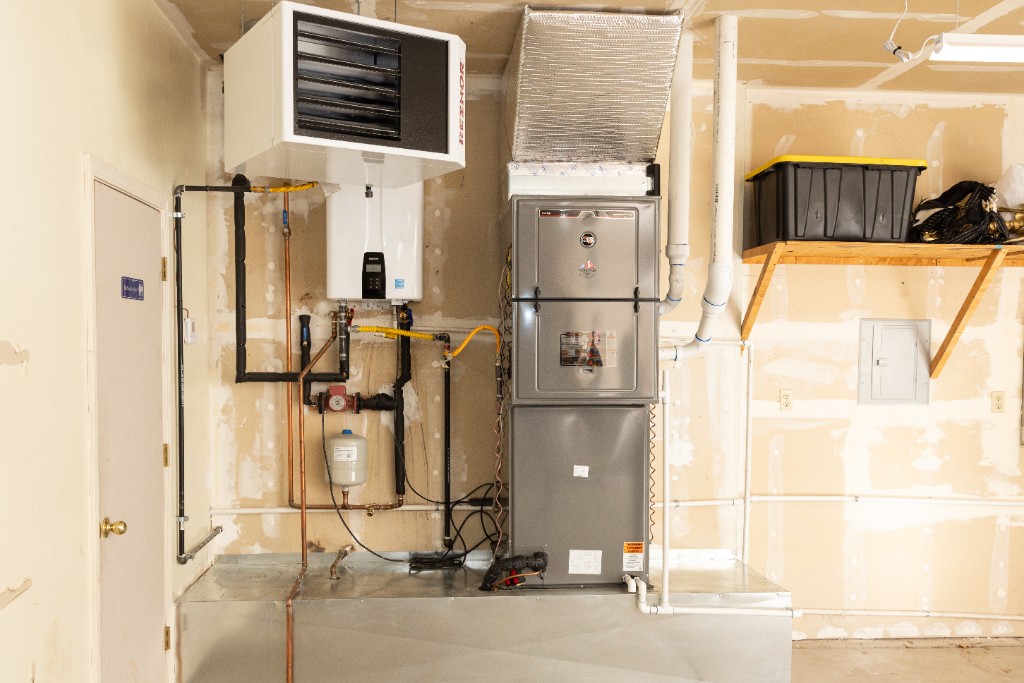
Precision installs — heating, cooling, and water heating
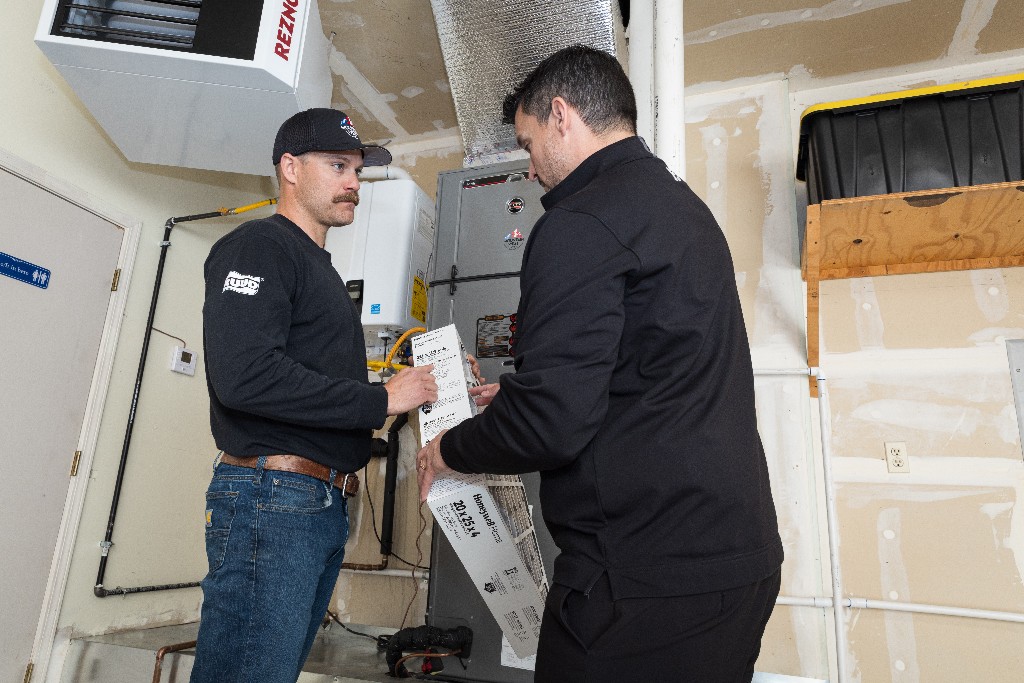
Water heater service and high-efficiency upgrades
Related Services
Ready to Get Started?
Contact us today for a free estimate on your {title} needs.