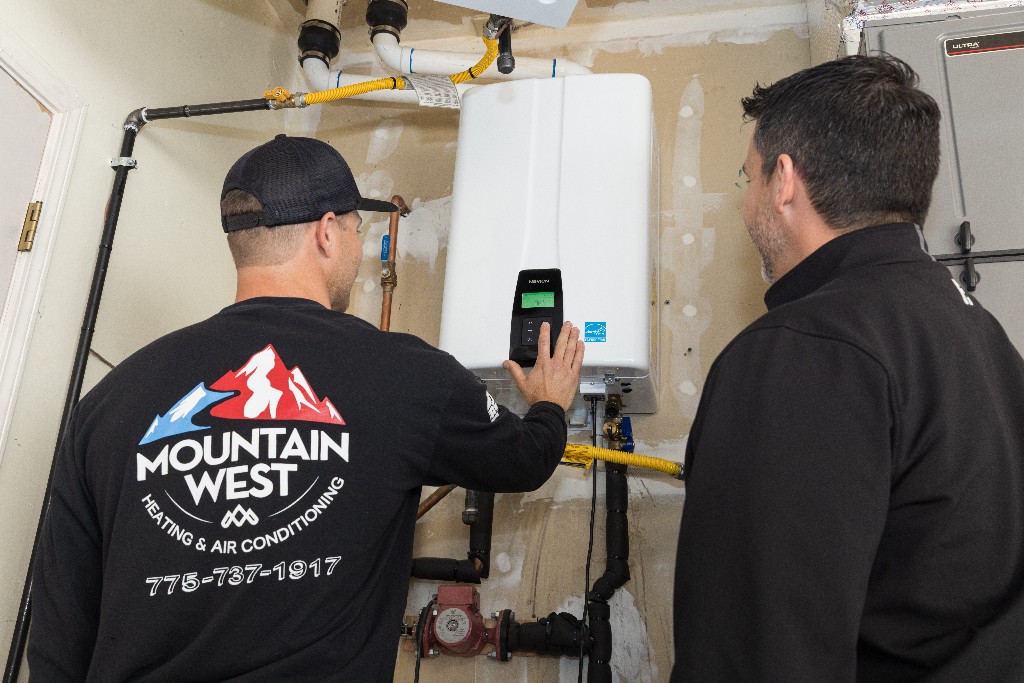
Water Heater Maintenance & Tune-Up in Sparks, NV
Water heater maintenance & tune-up in Sparks, NV. Prevent breakdowns, boost efficiency, and ensure reliable hot water. Schedule service today!
Expert Water Heater Maintenance & Tune-Up in Sparks, NV
Is your water heater making strange rumbling or popping noises, struggling to provide enough hot water for your family, or delivering water that looks a little rusty due to the hard water common in Sparks? These aren't just minor annoyances; they are clear indicators that sediment buildup is taking its toll or vital components are nearing failure, which can lead to a significant loss of efficiency and unexpected breakdowns. As a trusted fixture of the Washoe Valley community, Mountain West Heating and Air Conditioning is ready to provide the professional water heater maintenance and tune-up services you need to restore comfort to your home.
Warning Signs Your System Needs Attention
When your hot water system starts acting up, it usually gives you a few warnings before failing completely. Recognizing these symptoms early allows us to perform a tune-up before you are left taking cold showers. Here are the most common signs that your system requires professional maintenance.
Rumbling or Popping Noises
You might hear unusual sounds coming from your water tank, often described as rumbling, popping, or even sizzling when the unit is actively heating. This is almost always a sign of significant sediment buildup at the bottom of the tank. As the heating elements or gas burner try to heat the water, they actually end up heating this layer of mineral sludge.
Trapped water within that sediment boils and creates these distinct popping noises. This buildup drastically reduces your system's efficiency, making it work much harder to reach the desired temperature. If ignored, this constant strain can lead to premature tank failure and a significantly shorter lifespan for your unit.
Reduced Hot Water Supply
You may find yourself running out of hot water much faster than usual, or noticing that it takes an unexpectedly long time for the water to get hot. This often indicates that sediment is insulating the heating elements or burner, preventing efficient heat transfer to the water inside the tank.
An inefficient heater struggles to meet the demand of a busy household, especially when incoming water from the city lines is naturally colder. This symptom could also point to a failing electric heating element or a dirty gas burner assembly. Beyond the daily inconvenience, an inefficient unit drives up your utility bills significantly.
Rusty or Discolored Hot Water
If the hot water coming from your faucets appears rusty, brown, or has a metallic taste while your cold water remains clear, you have a problem inside your tank. This is a strong indicator that the sacrificial anode rod inside your water heater has corroded away entirely. The anode rod is designed to protect the steel tank, and without it, the tank itself becomes vulnerable to rust.
Discolored water can also be caused by excessive sediment mixing into the hot water lines. Without a functioning anode rod, your tank will begin to corrode from the inside out. This inevitably leads to leaks and the need for a complete system replacement, which is a much larger expense than a routine tune-up.
Leaking Around the Tank
Discovering puddles of water around the base of your water heater or noticing moisture on the tank's exterior is a serious warning sign. A leak can stem from various issues, including a faulty temperature and pressure relief valve, loose plumbing connections, or a failing drain valve. Most concerningly, it could indicate a crack or deep corrosion in the tank itself.
Even a small leak can cause significant water damage to your flooring, drywall, and home foundation. A leaking tank often signals imminent failure, requiring immediate professional attention to prevent a catastrophic burst. Catching these early leaks during routine maintenance saves you from massive property damage.
Foul Smells from Hot Water
Your hot water might develop an unpleasant odor, often described as rotten eggs or sulfur. This distinct smell is usually caused by a reaction between hydrogen sulfide in your water supply and the anode rod. It frequently happens when certain harmless bacteria are present in the water or tank environment.
While often not immediately dangerous to your health, the smell indicates an imbalance within your plumbing system and is highly unpleasant for daily use. It often means you have a corroding anode rod that needs replacement or a tank that requires a deep sanitization flush. Routine maintenance clears out this bacteria and restores fresh, clean water to your fixtures.
What Is Causing Your Water Heater Problems
Understanding the root cause of your hot water issues helps you see why regular maintenance is so critical. The high desert environment and specific water chemistry in our region play a massive role in how these systems wear down over time. Here is what is actually going on inside your tank.
Severe Sediment Buildup
Over time, minerals like calcium and magnesium settle at the bottom of your water heater tank. This creates a thick layer of sludge that physically separates the heating elements or gas burner from the water they are supposed to heat. The prevalent hard water throughout the Sparks area makes sediment buildup one of the most common issues we see in local homes.
This mineral layer directly impacts efficiency and causes those distinctive popping noises you hear from the utility closet. Routine maintenance solves this by thoroughly draining and flushing the tank to remove the accumulated sediment. In cases of extreme neglect, specialized descaling might be necessary to fully clear the internal components.
Worn-Out Anode Rod
The anode rod is an essential internal component designed to corrode before the actual steel tank does. It acts as a magnet, attracting corrosive elements in the water supply to itself. Once this sacrificial rod is fully consumed, the tank walls become the next target for rust and deterioration.
Hard water and certain local water chemistries accelerate the deterioration of this rod, requiring more frequent inspections. During a tune-up, we pull the anode rod out and inspect its condition to see how much life it has left. If it is significantly depleted, replacing it immediately is the best way to protect your tank from rotting out.
Failing Thermostat or Heating Elements
The thermostat regulates the water temperature, while the internal elements or gas burner assembly generate the actual heat. Over time, these components wear out, malfunction, or become heavily coated with mineral deposits. This leads to inaccurate temperature readings, lukewarm water, or a complete lack of heating power.
Consistent hard water leads to scale buildup directly on electric heating elements, acting like a blanket that traps the heat. For gas units, dust and sediment can clog the burner ports, impacting the flame's efficiency and safety. Our diagnostic process pinpoints exactly which component is failing so we can clean or replace it to restore proper operation.
Pressure Relief Valve Malfunction
The temperature and pressure relief valve is a critical safety device mounted on the side or top of your tank. It is designed to open and release water if the internal pressure or temperature reaches dangerous levels. This valve can fail due to age, corrosion, or heavy sediment buildup.
Mineral deposits from local water supplies often cause this valve to stick closed, compromising its ability to protect your home from a pressurized tank rupture. Alternatively, a worn valve might leak constantly, leaving a permanent puddle on your floor. We meticulously test this valve during every maintenance visit to ensure your system is operating safely.
What to Expect During the Service Visit
When you schedule a tune-up with Mountain West Heating and Air Conditioning, you are choosing a team dedicated to thoroughness and your peace of mind. Our certified technicians follow a comprehensive checklist to ensure your system is running safely, efficiently, and reliably. We arrive on time, respect your property, and get straight to work diagnosing your system.
Comprehensive Safety Inspection
Our first priority is always the safety of your household. We check for any gas leaks around the supply lines, verify proper flue ventilation to prevent carbon monoxide buildup, and inspect all electrical connections. We ensure everything is up to code and that there are no immediate hazards present in your utility area.
Draining and Flushing the Tank
This crucial step removes the accumulated sediment and mineral deposits from the bottom of your tank. Because hard water is such a prevalent issue in Sparks, this flush is the most important thing we do to restore your system's efficiency. Removing this sludge stops the popping noises and allows the burner to heat the water directly rather than heating a layer of rock.
Testing Vital Components
We pull and examine the sacrificial anode rod to see if it needs replacement to safeguard your investment against rust. We also manually test the temperature and pressure relief valve to ensure it opens and closes properly without sticking. Finally, we inspect your electric heating elements for scale buildup or clean your gas burner assembly to guarantee optimal combustion.
Performance Assessment and Adjustments
We verify your thermostat is accurately sensing and maintaining the desired water temperature, making adjustments if your water is dangerously hot or uncomfortably lukewarm. We check all plumbing connections, water lines, and the tank exterior for any hidden signs of leaks or corrosion. Before leaving, we provide a detailed report on your equipment's condition and offer straightforward recommendations for any necessary repairs.
Related Services You May Need
Maintaining your water heater is key to home comfort, but sometimes a routine tune-up uncovers more significant damage that requires immediate action. If our technicians find severe component failure, we are fully equipped to provide expert Water Heater Repair & Service to get your hot water flowing again. For older, inefficient, or severely leaking units that are beyond saving, we also specialize in professional Water Heater Installation & Replacement to ensure your home has a reliable system for years to come.
Why This Matters and the Cost of Waiting
Delaying maintenance on your hot water system can lead to a cascade of costly and inconvenient problems for your household. Ignoring issues like sediment buildup or a corroding anode rod drastically reduces your unit's energy efficiency. This forces the system to run longer cycles, causing your monthly utility bills to climb unnecessarily while delivering worse performance.
More critically, unaddressed problems escalate into unexpected breakdowns, leaving your family taking cold showers at the worst possible time. A neglected tank is highly susceptible to internal rusting, which eventually leads to a catastrophic bottom-out where the tank dumps gallons of water into your home. Regular tune-ups are a proactive investment that prevents minor wear and tear from turning into massive property damage or premature system replacement.
Ready to Restore Your Hot Water Comfort?
Do not let an unmaintained water heater disrupt your daily routine or put your property at risk. Mountain West Heating and Air Conditioning is proud to be your trusted partner for reliable, high-quality home comfort solutions. Contact us today to schedule your water heater maintenance and tune-up, and let our experts ensure your system runs efficiently and safely all year long.
Why Choose Us
- 8+ Years of Experience
- Licensed & Insured
- Upfront Pricing
- 100% Satisfaction Guarantee
- Same-Day Service Available
Service Gallery
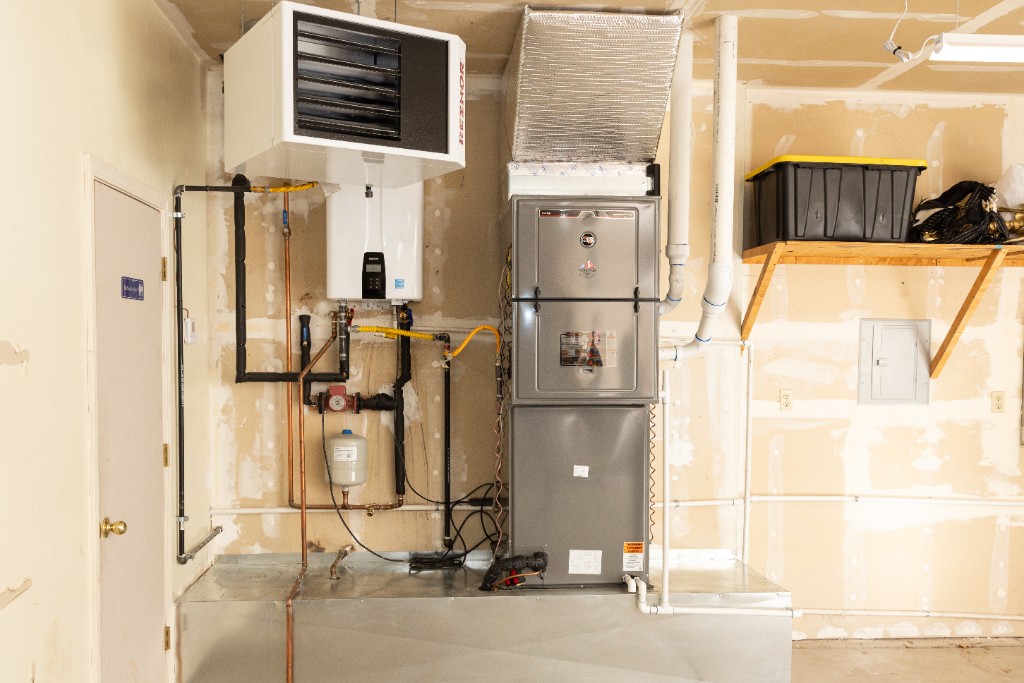
Precision installs — heating, cooling, and water heating
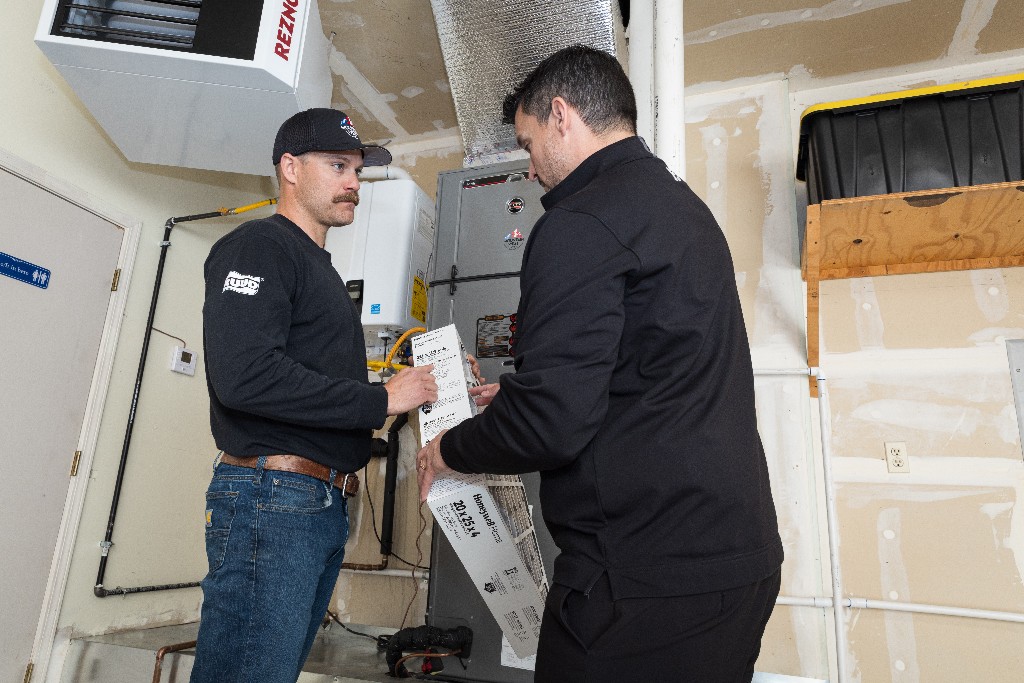
Water heater service and high-efficiency upgrades
Related Services
Ready to Get Started?
Contact us today for a free estimate on your {title} needs.