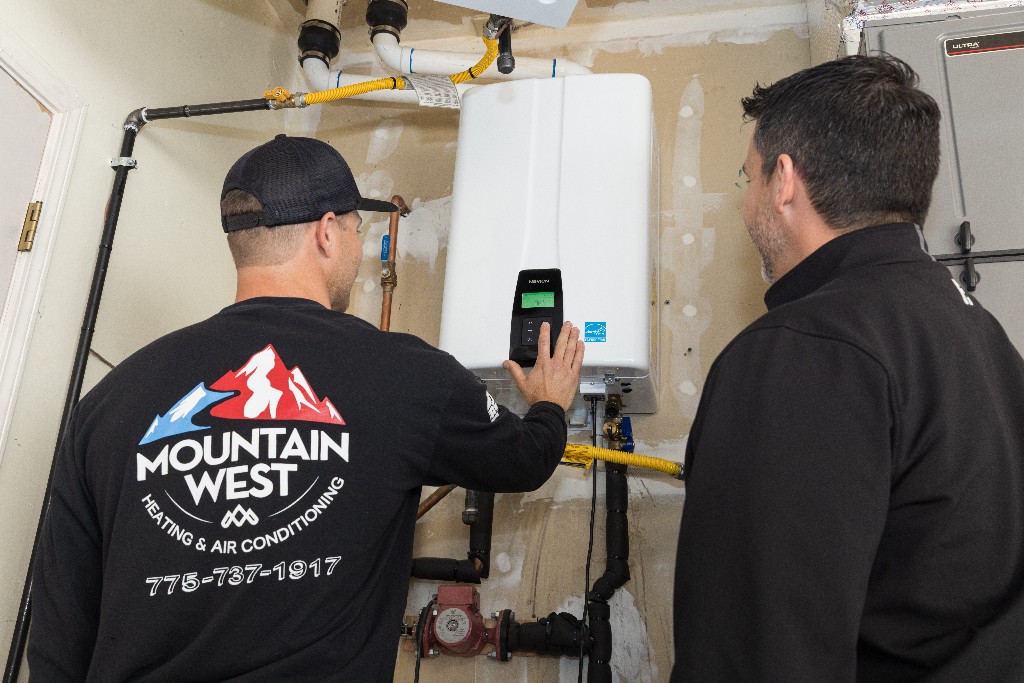
Heating Inspection & Testing in Stewart, NV
Ensure your Stewart, NV home stays warm and safe. Our Heating Inspection & Testing prevents costly breakdowns and high energy bills. Schedule service now!
Professional Heating Inspection & Testing in Stewart, NV
Are you noticing uneven heating throughout your home, struggling with rising energy bills, or hearing strange grinding noises from your furnace when the high desert temperatures drop in Stewart? Ignoring these warning signs can lead to unexpected breakdowns, costly emergency repairs, or even serious safety hazards like carbon monoxide leaks from a failing heat exchanger. Don't wait for a complete system failure; Mountain West Heating and Air Conditioning is ready to provide thorough heating inspection and testing services to ensure your home stays consistently warm and safe.
Warning Signs Your Heating System Needs Testing
Rising Energy Bills Without Explanation
Your monthly heating bill might be creeping up even if you haven't touched your thermostat settings or changed your daily routine. This usually indicates that your heating system is losing efficiency and working much harder to push air through your home. When components are dirty or failing, the unit consumes significantly more fuel or electricity to produce the same amount of heat.
An inefficient system costs you more money every single month you let the problem continue. This steady increase in operating costs often points to a failing part that needs professional attention before it breaks entirely. Catching this efficiency drop early through proper testing can save you from a massive utility bill surprise.
Uneven Heating and Cold Spots
You might find yourself bundling up in one room while another area of your Stewart home feels perfectly comfortable. This is a classic sign of distribution issues, often caused by leaky ductwork, restricted airflow, or a failing blower motor struggling to push warm air. High desert homes with older insulation are particularly vulnerable to these frustrating temperature imbalances.
Uneven heating forces your system to run longer as the thermostat desperately tries to warm up those stubborn cold spots. This constant running drives up your energy consumption while failing to keep your family comfortable. Testing the system helps us pinpoint exactly where the airflow is failing so we can restore balanced heat to every room.
Strange Noises or Unfamiliar Odors
Hearing unusual sounds like grinding, squealing, or rattling coming from your furnace or heat pump is a clear indicator of mechanical distress. You might also detect strange smells, such as burning dust, an electrical metallic odor, or a faint gas smell near the unit. Mechanical noises usually mean internal parts like blower wheels or bearings are failing and grinding against each other.
Odors can be even more concerning, as burning plastic smells indicate electrical issues that pose a fire risk. A gas leak or the presence of carbon monoxide creates a life-threatening safety hazard that requires immediate professional testing. Never ignore a heating system that sounds or smells different than it usually does.
Frequent Cycling or Constant Running
Your heating equipment might turn on and off rapidly, a frustrating issue known in the industry as short cycling. Alternatively, it might seem to run continuously without ever reaching the temperature you set on the wall. Short cycling puts immense strain on your system's startup components, leading to accelerated wear and tear on the most expensive parts.
Constant running often means the system is struggling with an underlying issue like a clogged filter, a malfunctioning limit switch, or a dirty flame sensor. Both of these operational failures drastically reduce the lifespan of your furnace or heat pump. Professional testing isolates the exact sensor or airflow issue causing this erratic behavior.
Increased Dust and Poor Air Quality
The local environment is naturally dry and dusty, but your heating system shouldn't be blowing that debris directly into your living spaces. If you notice more dust settling on your furniture or an increase in allergy symptoms, your system is likely circulating contaminated air. This points to a compromised filtration system or a heavy buildup of debris inside the cabinet.
When a furnace is packed with dust, it cannot breathe properly, which suffocates the combustion process and strains the blower motor. A thorough inspection evaluates the cleanliness of your internal components and the integrity of your air delivery system.
Common Causes Behind Your Heating Troubles
Accumulation of High Desert Dust and Debris
Over time, fine dust and airborne particles settle on critical components like the blower motor, heat exchanger, and evaporator coils. The dry, windy climate of Stewart means particulate matter enters homes frequently, leading to much faster filter clogging than in other regions. When this dust coats a flame sensor or an ignitor, the furnace will physically lock itself out and refuse to produce heat.
A comprehensive heating inspection involves opening the cabinet to evaluate how much environmental debris has bypassed your filter. We check these sensitive components and determine if a deep clean is necessary to restore proper airflow and safe ignition.
Lack of Regular Professional Maintenance
Many minor issues like loose wiring, unlubricated motors, or slight refrigerant leaks go unnoticed without a professional eye evaluating the equipment. Systems without regular maintenance are much more likely to fail under the heavy stress of a cold Nevada night. What starts as a minor vibration can quickly turn into a shattered blower wheel if left unchecked.
Our inspection serves as a proactive diagnostic check of all major components, electrical connections, and safety controls. We look for the early warning signs of wear that untrained eyes easily miss.
Aging Components and Natural Wear
Like any mechanical system, heating units have a finite lifespan and parts naturally wear out over thousands of hours of operation. Components such as the hot surface ignitor, flame sensor, or draft inducer motor can become corroded or lose electrical resistance over time. Given the mix of older homes in the area, many local heating systems are battling advanced age-related wear.
An inspection identifies these worn parts early by testing their electrical draw and mechanical tolerance. This allows us to recommend targeted repairs before a weakened component causes a complete and sudden system shutdown.
Ductwork Leaks and Inefficiencies
Ductwork can develop leaks, disconnect at the seams, or lose its protective insulation over the years. This allows your freshly heated air to escape into unconditioned spaces like cold attics or drafty crawl spaces before it ever reaches your vents. Older properties often have original ductwork that has deteriorated due to age, pest activity, or settling foundations.
We visually check accessible ductwork during our visit to ensure your heated air is actually contained within the delivery system. If your furnace is working perfectly but your house is cold, damaged ducts are frequently the culprit.
What to Expect During Your Heating Inspection
When Mountain West Heating and Air Conditioning arrives at your home, our certified technicians approach the service with thoroughness and complete transparency. We begin by listening to your specific concerns and asking about the exact symptoms your system has been displaying. This conversation helps us understand the history of the equipment and focuses our diagnostic approach.
Next, we conduct a comprehensive, multi-point inspection of your entire heating setup to evaluate its safety, efficiency, and mechanical health. We never guess at the problem; we use precision instruments to measure exactly how your system is performing.
Comprehensive Safety and Electrical Testing
Our process includes carefully examining the heat exchanger for hairline cracks or rust, which is a critical safety check for preventing carbon monoxide leaks in gas furnaces. We test the hot surface ignitor, clean and test the flame sensor, and measure the incoming and manifold gas pressure. We also verify that all safety limit switches are functioning correctly and will properly shut down the system in an emergency.
On the electrical side, we inspect all wiring connections for signs of burning or loose terminals. We measure the voltage and amperage draw of the blower motor and draft inducer to ensure they are operating within safe factory specifications.
Airflow and Performance Evaluation
Beyond safety, we evaluate how well the system breathes by inspecting the air filter, the blower wheel, and the return air drop. We check the thermostat calibration to ensure it is accurately reading the room temperature and sending the correct signals to the equipment. For heat pumps, we also test the defrost cycle, check refrigerant levels, and evaluate the outdoor unit's compressor and fan motor.
Once the diagnostic process is complete, we provide you with a detailed, easy-to-understand report of our findings. We explain exactly what is causing your heating issues in plain language and provide clear, upfront options for resolving any problems we uncover.
Related Services to Consider
Beyond routine diagnostic testing, ensuring your heating system operates at peak performance often involves addressing other related aspects of your home comfort. If our inspection reveals significant wear or efficiency issues, you might benefit from scheduling a comprehensive Heating Maintenance & Tune-Up to clean the internal components and extend your system's life.
For homes where dust and allergens are a persistent problem, our Air Duct Cleaning Services can significantly improve your indoor air quality by removing years of accumulated debris from your ductwork. If your equipment is suffering from critical failures and advanced age, we can also walk you through your options for a full Heating Installation & Replacement.
The True Cost of Delaying an Inspection
Ignoring signs that your heating equipment needs attention can have severe consequences for both your household budget and your family's safety. A malfunctioning gas furnace can pose a severe risk of carbon monoxide exposure, a silent and incredibly dangerous threat. Beyond safety concerns, a neglected system will inevitably lead to inflated energy bills as it struggles to maintain a comfortable temperature.
Minor issues rarely resolve themselves; they simply compound over time and damage adjacent components. A cheap, easily replaceable part like a failing capacitor can eventually destroy an expensive blower motor if the system continues to run under strain.
Avoiding the Emergency Breakdown
Pushing a struggling system too hard often results in a catastrophic failure right in the middle of a freezing night. The cost of waiting includes the daily discomfort of an unreliable heating system, the stress of a sudden breakdown, and the premium cost of emergency repairs. Proactive testing gives you control over your home comfort and prevents minor hiccups from turning into major residential disasters.
Schedule Your Stewart Heating Inspection Today
Don't let an unreliable or inefficient heating system compromise your comfort and safety this year. We are dedicated to ensuring your home remains warm, safe, and energy-efficient through expert diagnostic care and honest recommendations. Contact Mountain West Heating and Air Conditioning today to schedule your heating inspection and testing, and experience the difference of working with a local team that truly treats you like family.
Why Choose Us
- 8+ Years of Experience
- Licensed & Insured
- Upfront Pricing
- 100% Satisfaction Guarantee
- Same-Day Service Available
Service Gallery
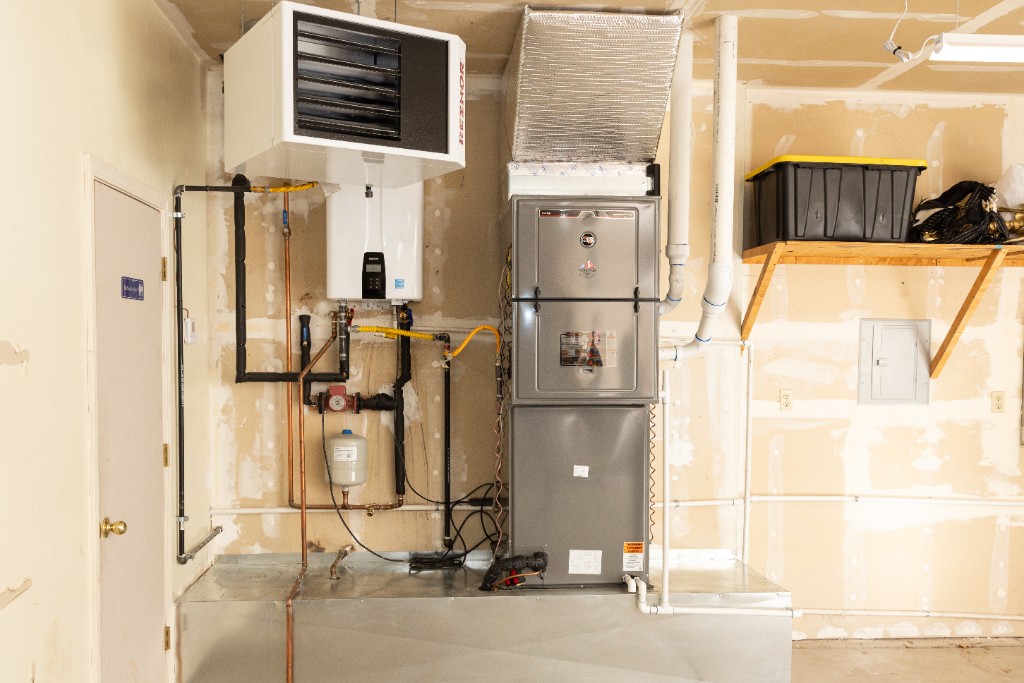
Precision installs — heating, cooling, and water heating
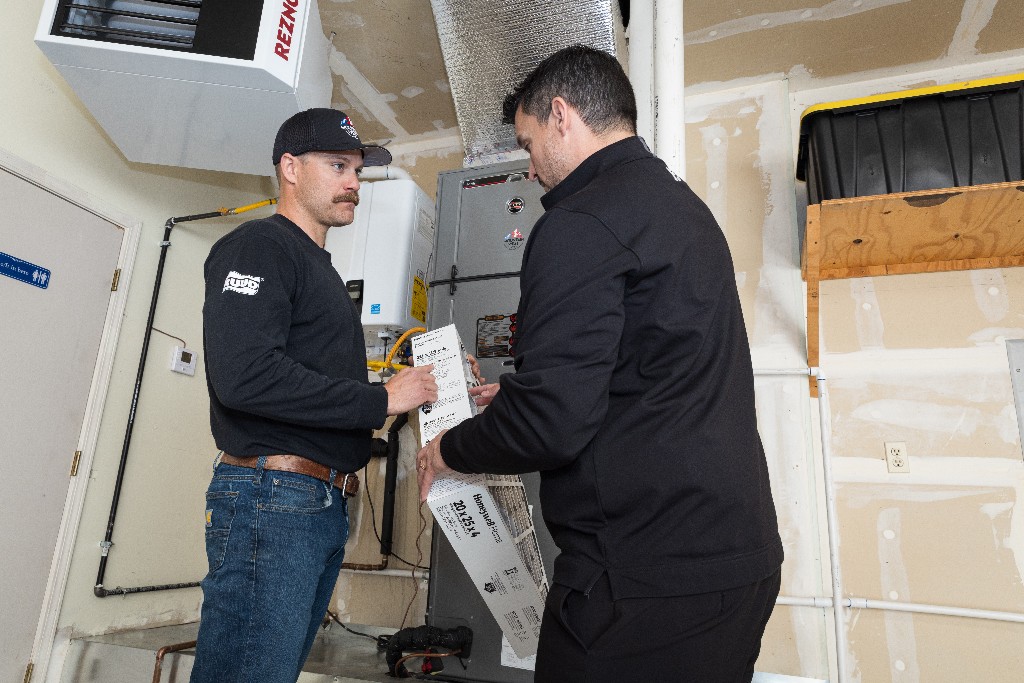
Water heater service and high-efficiency upgrades
Related Services
Ready to Get Started?
Contact us today for a free estimate on your {title} needs.