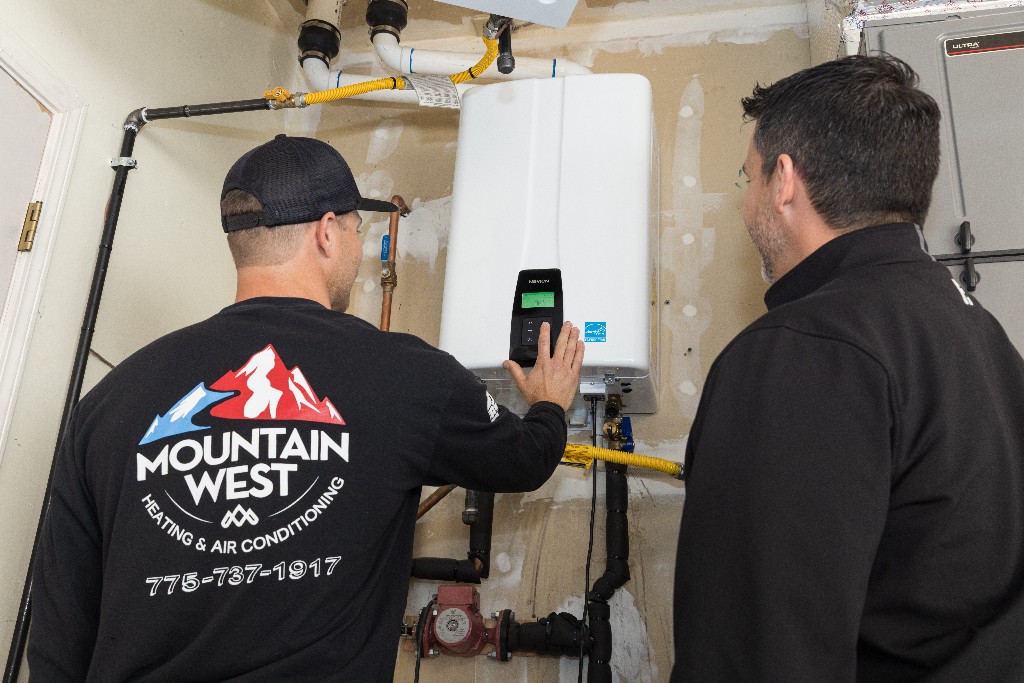
Water Heater Inspection & Testing in Gardnerville, NV
Gardnerville, NV water heater issues? Get expert inspection & testing. Diagnose sediment buildup, leaks, or noises for reliable hot water. Schedule now!
Water Heater Inspection & Testing in Gardnerville, NV
Is your Gardnerville home struggling to deliver consistent hot water on a chilly high-desert morning, or are you hearing strange rumbling and popping sounds from your utility closet? These aren't just minor annoyances; they are clear indicators that hard water buildup or failing internal components are stressing your system and pushing it toward a breakdown. At Mountain West Heating and Air Conditioning, our certified technicians are ready to properly diagnose the issue with a thorough inspection to restore your home's reliable hot water supply.
Warning Signs Your Water Heater Needs Testing
When your water heater starts acting up, it rarely fixes itself. Recognizing the early symptoms can save you from a cold shower or a flooded garage.
Not Enough Hot Water or Fluctuating Temperatures
You turn on the shower and the hot water runs out far too quickly, or the temperature fluctuates wildly from hot to lukewarm. This frustrating experience is especially noticeable when multiple people are getting ready during colder Gardnerville mornings. You might even notice that your faucets take much longer to deliver warm water than they used to.
This symptom often indicates severe sediment buildup in the tank, a failing electric heating element, or a malfunctioning gas burner. Mineral sediment acts as an insulator at the bottom of the tank, preventing the heat source from effectively warming the water above it. Beyond the daily inconvenience, an inefficient water heater works much harder to do its job, leading to higher energy bills and eventual system failure.
Strange Noises Like Rumbling or Popping
You hear unusual sounds coming from your water heater tank, often described as rumbling, popping, crackling, or a metallic banging. These noises are usually loudest and most noticeable when the unit is actively heating a fresh batch of water. It can almost sound like a pot of water boiling heavily inside the metal casing.
In the Carson Valley, these sounds are almost always caused by mineral sediment buildup at the bottom of the tank due to our region's hard water. As the heating element or burner warms the water, trapped pockets of moisture boil underneath the heavy sediment layer, creating those distinct popping sounds. If neglected, this sediment buildup causes the tank to overheat, which can eventually warp the metal and lead to a catastrophic leak.
Visible Leaks or Rust Stains
You spot water pooling around the base of your water heater, notice active drips from connected pipes, or see rust-colored stains on the tank exterior. Even a slow, intermittent drip is a serious warning sign that requires immediate professional attention. You might also notice a damp, musty smell in the room where your water heater is located.
Leaks can stem from a faulty temperature and pressure relief valve, loose pipe connections, a failing drain valve, or an actively rusting tank. Rust stains typically indicate internal corrosion that has finally eaten its way through the metal walls. Any leak can lead to significant water damage to your home's flooring, walls, or foundation, making prompt inspection absolutely critical.
Discolored or Smelly Hot Water
Your hot water appears rusty, murky, or leaves a metallic taste in your mouth when brushing your teeth. In some cases, the water might even carry a foul, sulfur-like odor that smells similar to rotten eggs. This issue is usually isolated to the hot water side of your plumbing.
Rusty water typically indicates deep internal corrosion inside the water heater tank or the pipes leading away from it. A sulfur smell often points to a bacterial presence thriving inside the warm tank, which is frequently exacerbated by a failing anode rod. A professional inspection can determine if the tank is corroding away or if you simply need a replacement rod and a deep tank flush.
Unexplained Higher Energy Bills
You have seen a noticeable and steady increase in your monthly utility bills, even though your household hot water usage has not changed at all. You might notice your gas or electric meter spinning faster when the water heater kicks on. This financial drain is a quiet but serious symptom of system inefficiency.
An inefficient water heater is forced to work harder and run longer just to heat the same amount of water. This is commonly caused by heavy sediment buildup, poor tank insulation, or a unit that is simply too old to operate efficiently anymore. Continuously paying more for hot water is a drain on your budget, and that added stress increases the likelihood of an unexpected breakdown.
What Is Causing Your Water Heater Problems
Understanding what is actually happening inside your tank helps make sense of the frustrating symptoms you are experiencing. Our inspection process is designed to pinpoint exactly which of these common issues is affecting your system.
Heavy Sediment Buildup Inside the Tank
Over time, heavy minerals like calcium and magnesium naturally separate from the water and settle at the bottom of your water heater tank. This forms a thick, hardened layer of sediment that physically blocks heat transfer. Gardnerville is known for its hard water, making sediment buildup one of the most frequent causes of water heater inefficiency in local homes.
A professional water heater inspection will determine the severity of this mineral accumulation. The solution often involves a comprehensive tank flush to clear out the debris and restore proper heating capacity. Regular flushing is the absolute best way to prevent this buildup from returning and destroying your tank.
A Deteriorating Anode Rod
The anode rod is a sacrificial metal rod suspended inside your water heater that is specifically designed to attract corrosive elements. It rusts and deteriorates on purpose so that the actual steel walls of your tank do not. Over time, this rod naturally wears away until there is nothing left to protect your system.
The hard water and specific water chemistry in our region can rapidly accelerate the deterioration of these protective rods. During an inspection, we check the anode rod's condition to see if it has been entirely depleted. Replacing a heavily corroded rod is a simple fix that can add years to the life of your water heater.
Failing Heating Elements or Burner Assemblies
For electric water heaters, the internal heating elements can burn out completely or become heavily coated with thick mineral scale. For gas water heaters, the burner assembly at the bottom can become dirty, clogged, or misaligned, preventing proper flame ignition. Both issues result in a drastic drop in hot water production.
Sediment buildup from local hard water frequently coats electric heating elements, causing them to overheat and snap. For gas units, dust and debris common in utility spaces or garages can easily choke the burner performance. Our inspection involves testing the electrical draw of these components or visually checking the gas burner to restore your system's output.
Malfunctioning Temperature and Pressure Relief Valve
The temperature and pressure relief valve is a crucial safety device mounted on your tank that opens to release excess pressure if internal conditions become unsafe. This valve can fail over time due to age, heavy mineral deposits, or internal corrosion. When it fails, it might stick completely closed or constantly leak water down the side of your tank.
Mineral deposits from hard water can easily hinder the proper operation of this valve, creating a serious safety hazard in your home. During our inspection, this valve is rigorously tested to ensure it opens and closes exactly as designed. If it is leaking or stuck, replacing it is a mandatory safety requirement to protect your property.
Age and General Wear and Tear
Like any major household appliance, water heaters have a finite lifespan, which typically ranges from eight to twelve years. As the years pass, internal components degrade, microscopic rust forms, and heating efficiency naturally declines. Many established homes in Gardnerville have water heaters that are nearing or have already exceeded their typical lifespan.
An inspection accurately assesses the overall condition and remaining lifespan of an older, struggling unit. While minor repairs might keep it limping along, a thorough evaluation often reveals that the system is beyond saving. In these cases, we will guide you through the process of selecting a modern, efficient replacement.
What to Expect During the Service Visit
When you call for a water heater inspection, you want to know exactly who is showing up and what they are going to do. We believe in complete transparency from the moment we knock on your door.
Initial Diagnostic Walkthrough
Your certified technician will arrive promptly and start by listening to your specific concerns and the symptoms you have noticed. We take the time to understand the history of the unit, including any past repairs or ongoing frustrations with your hot water supply. This conversation helps us narrow down the most likely culprits before we even touch the machine.
Next, we perform a comprehensive visual inspection of your entire water heater setup. We check for visible leaks, surface rust, corrosion on the fittings, and any signs of physical damage to the tank or connecting pipes. We also evaluate the surrounding area to ensure there is proper clearance and ventilation for the unit to operate safely.
Comprehensive Safety and Performance Testing
Once the visual check is complete, we move into active diagnostic testing to evaluate the internal components. For electric units, this includes testing the upper and lower thermostats and measuring the electrical draw of the heating elements. For gas units, we inspect the burner assembly, test the gas lines for proper function, and ensure the exhaust venting is moving dangerous fumes safely outside.
Safety is our highest priority, which is why we rigorously test the temperature and pressure relief valve to confirm it is functioning correctly. We also check for proper seismic strapping, which is a critical safety code requirement for all Nevada homes to prevent the tank from tipping during an earthquake. Finally, we drain a small amount of water to assess the level of sediment buildup hidden inside the tank.
Reviewing Your Options
After the inspection is fully complete, your technician will sit down with you to provide a detailed, plain-language explanation of their findings. We will outline any identified issues, explain their root causes, and present clear, upfront solutions. Our goal is to empower you with the right information so you can make the best decision for your home and budget.
Because our founder Andrew Morrell built Mountain West Heating and Air Conditioning on technical excellence and integrity, you will never experience high-pressure sales tactics. Whether the solution is a simple tank flush, a minor component repair, or planning for a future replacement, we give you the facts straight. We treat every customer like family, ensuring your home comfort needs are met with the highest standard of care.
Related Services You May Need
Maintaining your home's comfort and safety often involves looking at how different systems interact with each other. If our inspection uncovers significant issues, you might need Water Heater Repair & Service to replace a faulty heating element or a leaking valve. For older units with severe internal corrosion, Water Heater Installation & Replacement is often the most cost-effective long-term solution, while Gas Line Inspection & Testing remains a vital complementary service for gas-powered units.
The Cost of Waiting on Water Heater Issues
Delaying a professional inspection when your water heater is showing clear signs of distress is a risky gamble. Ignoring these early warning signs rarely saves money and almost always leads to a cascade of worse problems.
Safety Hazards and Water Damage
For gas water heaters, unaddressed burner or venting issues can lead to dangerous carbon monoxide exposure or fire hazards. A malfunctioning pressure relief valve can cause extreme pressure buildup, turning your water heater into a serious safety threat. Furthermore, small leaks can rapidly escalate into a burst tank, causing catastrophic water damage to your flooring, drywall, and personal belongings.
Breakdowns and Wasted Money
A neglected water heater is far more likely to fail suddenly, leaving you without hot water when you need it most. An inefficient unit burdened by heavy sediment also consumes significantly more energy, driving up your monthly utility costs month after month. Without proactive care, your water heater's lifespan will be drastically shortened, forcing you into an expensive replacement much sooner than necessary.
Securing Your Peace of Mind
Don't let water heater problems disrupt your daily routine or threaten the safety of your Gardnerville home. Proactive inspection and testing are the only ways to ensure your system runs efficiently and reliably through every high-desert winter.
As a locally owned fixture of the Washoe Valley community, Mountain West Heating and Air Conditioning is dedicated to providing you with trustworthy, expert solutions. Contact us today to schedule your comprehensive service and keep your hot water flowing safely.
Why Choose Us
- 8+ Years of Experience
- Licensed & Insured
- Upfront Pricing
- 100% Satisfaction Guarantee
- Same-Day Service Available
Service Gallery
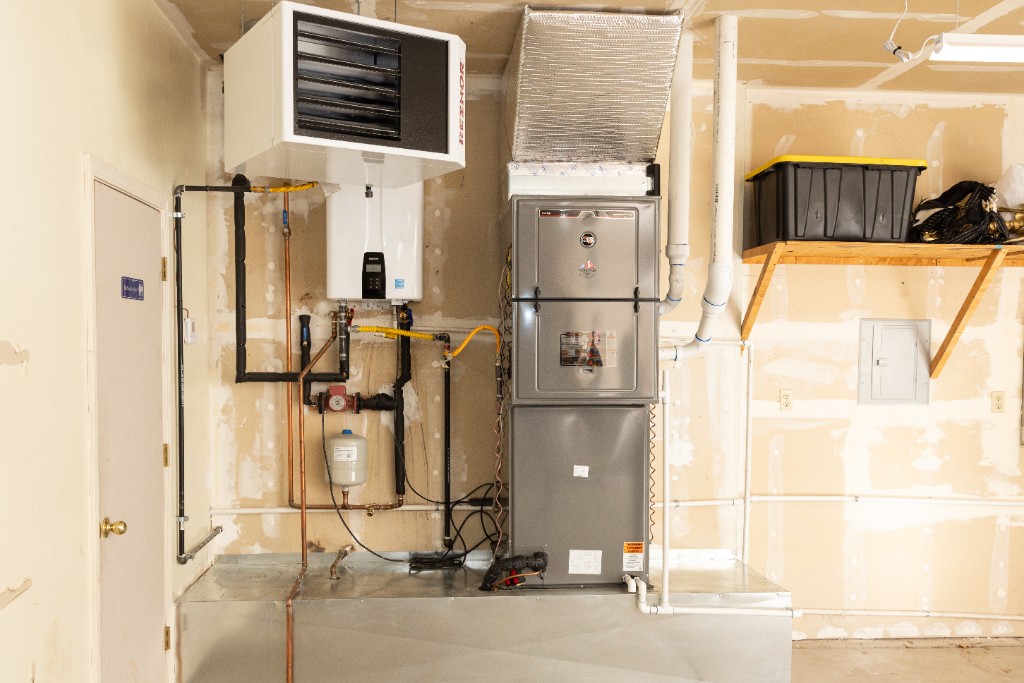
Precision installs — heating, cooling, and water heating
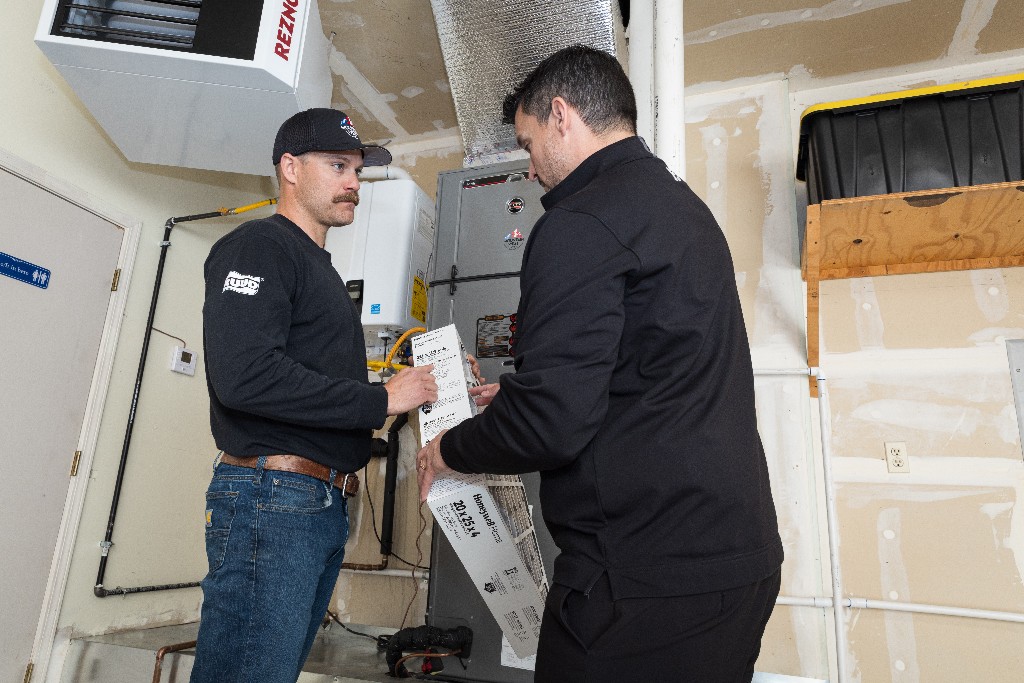
Water heater service and high-efficiency upgrades
Related Services
Ready to Get Started?
Contact us today for a free estimate on your {title} needs.