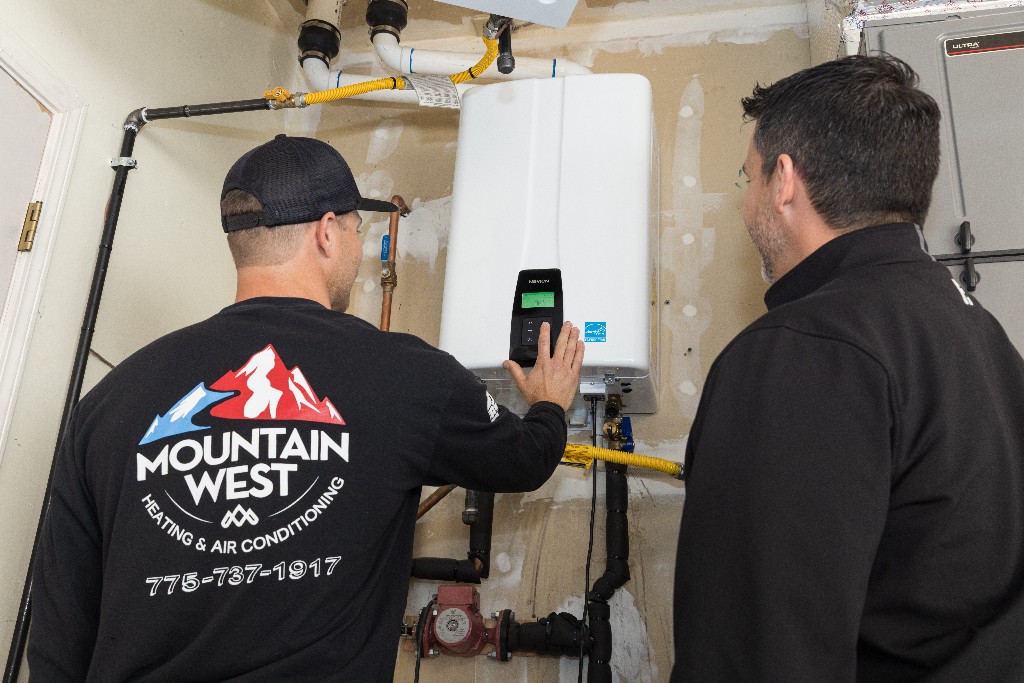
Water Heater Installation & Replacement in Mound House, NV
Is your Mound House home needing water heater installation & replacement? Address reduced hot water, strange noises, or leaks.
Water Heater Installation & Replacement in Mound House, NV
Is your Mound House home running out of hot water too quickly, leaving you shivering after a shower, or are you hearing strange banging and rumbling noises coming from your utility closet? These aren't just minor inconveniences; they are clear indicators that your current water heater is failing and needs professional attention before it leaves you completely in the cold. When it's time for a reliable upgrade, Mountain West Heating and Air Conditioning is ready to provide expert water heater installation and replacement services.
Warning Signs Your Water Heater Needs Replacement
Reduced Hot Water or Fluctuating Temperatures
You might start your shower with plenty of hot water, but it quickly turns lukewarm or cold long before you are finished. This frustrating experience often points to significant sediment buildup inside the tank, which drastically reduces its overall capacity and heating efficiency. When a thick layer of minerals coats the bottom of the tank, the heating element has to work much harder to warm the water above it.
Beyond the daily inconvenience of brief showers, an inefficient water heater consumes significantly more energy, driving up your monthly utility bills. It could also point to a failing heating element in an electric unit or a malfunctioning burner in a gas unit. If ignored, the problem will only worsen over time, eventually leading to a complete lack of hot water and total system failure.
Strange Noises Like Banging or Rumbling
Hearing loud banging, rumbling, popping, or sizzling sounds from your water heater can be alarming, sounding almost like rocks tumbling inside the metal tank. In our local area, these noises are almost always caused by mineral sediment buildup from hard water settling at the bottom of the unit. As the heating element or gas burner heats the water, trapped sediment causes steam bubbles to form and aggressively burst.
These bursting bubbles create those distinct banging sounds and accelerate internal wear on the tank's structural integrity. This sediment barrier greatly reduces heating efficiency, making your water heater run longer cycles just to reach the set temperature. Over time, this constant stress can corrode the tank from the inside out, significantly shortening its lifespan and increasing the risk of a sudden rupture.
Visible Leaks Around the Base
Discovering puddles of water around the base of your water heater is a serious warning sign that requires immediate professional intervention. Leaks often signal a hairline crack in the metal tank, a faulty pressure relief valve, or failing pipe connections that have degraded over the years. Even a small, slow drip indicates that the structural integrity of the unit has been compromised and cannot be reliably repaired.
A leaking water heater can cause significant and rapid water damage to your property, soaking into drywall, flooring, and nearby belongings. This leads to incredibly costly structural repairs and creates the perfect environment for hazardous mold growth if not addressed immediately. Once a tank begins to leak from the body itself, a full replacement is the only safe and effective solution.
Rust-Colored Water
If you notice that the hot water coming from your faucets has a rusty, brownish, or yellow tint, your water heater is likely deteriorating from the inside. This discoloration is a strong indicator of internal corrosion, meaning the protective anode rod has completely failed and the steel tank itself is rusting away. You might also notice a metallic taste in the water or see rust particles settling in your sinks and bathtubs.
Rusting tanks are structurally compromised and are often on the verge of a catastrophic blowout that can flood your home. Ignoring this rusty water means you are washing your dishes, doing your laundry, and showering with contaminated water. Upgrading to a new unit will immediately resolve these water quality issues and protect your home from an impending flood.
Unpleasant Odors from Hot Water
Turning on the hot tap and smelling a strange, often sulfurous or rotten egg odor is a clear sign something is wrong inside your water tank. This unpleasant smell typically indicates bacterial growth reacting with the magnesium anode rod, which is especially common if you rely on well water. It can also happen when a water heater has not been used for an extended period, allowing stagnant water to breed bacteria.
While this bacterial presence is not always dangerous to your health, it suggests severe water quality issues that make using your plumbing highly unpleasant. Sometimes this can be temporarily resolved with heavy maintenance, but if the tank is aging, it often returns quickly. Replacing the old, contaminated unit is usually the most effective and lasting solution to restore clean, fresh-smelling hot water.
What Causes Water Heaters to Fail
Sediment Buildup from Hard Water
Over time, minerals like calcium and magnesium naturally settle out of the water and accumulate at the bottom of your water heater tank. This creates a hard, crusty layer of scale that severely insulates the water from the heat source, forcing the system to work overtime. The water in Mound House often has a higher mineral content, making this hard water sediment accumulation a primary culprit behind premature water heater failures.
When the heating element has to push heat through a thick layer of rock-like sediment, the metal tank overheats and weakens. Once this buildup becomes severe, it drastically impacts energy efficiency and often necessitates a full replacement to restore proper function. New installations give you a fresh start, and we can discuss options that are better equipped to handle our local water conditions.
Aging Equipment and General Wear
Like any major home appliance, water heaters endure constant daily use and have a finite lifespan that typically tops out around eight to twelve years. Internal components naturally degrade, steel tanks slowly corrode, and overall heating efficiency steadily declines with age. This happens regardless of how well you maintain the system, as the constant expansion and contraction from heating cycles takes a toll on the metal.
Many homes in our area have original water heaters that are currently nearing or already past their expected safe lifespan. The constant demand for hot water in our high desert climate also contributes to this unavoidable wear and tear. When a unit reaches this age, replacement is the only viable option to prevent a sudden breakdown and upgrade to modern energy efficiency standards.
Inadequate Sizing for Household Needs
Your water heater might have been perfectly sufficient when it was first installed, but changes in your household can quickly overwhelm an older unit. If your family has grown, or if you have added new high-demand appliances like a large soaking tub, the hot water demand may exceed what your current tank can provide. Sometimes, the original installation was simply calculated poorly, leaving you with an undersized system from day one.
When an undersized water heater is forced to run constantly to keep up with demand, it burns out its heating elements much faster. A professional assessment of your peak hot water demand is crucial to solving this frustrating problem permanently. This evaluation will determine if you need to install a larger capacity tank or transition to a high-output tankless system for endless hot water.
Corroded Anode Rod or Tank
The anode rod is a crucial internal component specifically designed to sacrifice itself to protect the main steel tank from rusting. It attracts the corrosive elements in the water, rusting away so the walls of your water heater do not have to. Once this protective rod is fully consumed by the minerals in the water, the tank itself becomes immediately vulnerable to rapid corrosion.
Hard water conditions and specific mineral compositions can accelerate this deterioration, leaving the tank exposed much sooner than expected. If caught early, a depleted anode rod can be replaced during routine maintenance to extend the tank's life. However, once the tank itself begins to rust and corrode, the structural integrity is compromised and a complete system replacement is mandatory.
What to Expect During the Installation Process
Thorough Assessment and System Selection
When our technicians arrive at your home, we start with a thorough assessment of your current plumbing setup and your family's daily hot water needs. We carefully evaluate your existing equipment, considering critical factors like your current fuel type, the available space in your utility closet, and venting requirements. This detailed inspection ensures we fully understand the scope of the project before we make any professional recommendations.
Mountain West Heating and Air Conditioning takes pride in explaining all suitable options in plain language, without any high-pressure sales tactics. We will discuss the pros and cons of upgrading to a high-efficiency traditional tank versus installing a modern, space-saving tankless system. Our goal is to help you select the perfect water heating solution that fits both your household demands and your budget.
Safe Removal and Expert Installation
Once you have chosen the right system for your home, our certified technicians will carefully and cleanly remove your old, failing unit. We ensure all water lines, electrical connections, and gas pipes are safely disconnected and secured before moving the heavy equipment. We take great care to protect your flooring and walls while navigating the old tank out of your home and bringing the new one in.
We pride ourselves on meticulous installation practices that strictly adhere to all local building codes and rigorous manufacturer specifications. This exactness includes verifying proper exhaust venting, securing all pipe connections to prevent future leaks, and calibrating the unit for optimal energy efficiency. We do not cut corners, ensuring your new water heater is installed safely and built to provide reliable comfort for years to come.
Final Walkthrough and Cleanup
We never consider a job complete until we have fully tested the new system and confirmed it is producing hot water safely and efficiently. Our team will take the time to walk you through your new water heater's operation, showing you how to adjust temperature settings and perform basic visual checks. We want you to feel completely confident in operating and understanding your new home comfort equipment.
Before we leave, we clean up our workspace entirely, hauling away the old unit and removing all packaging materials and debris. We respect your home and strive to leave your utility area cleaner than we found it. You are left with nothing but a spotless space and the peace of mind that comes with a professionally installed, highly reliable water heater.
Related Services You May Need
When upgrading your water heater, it is often the perfect time to evaluate other related home comfort systems that support its operation. If you are transitioning to a new gas water heater, you might benefit from our gas line installation & replacement services to ensure your fuel supply is safely routed and adequately sized. Similarly, if you install a high-demand electric unit, our electrical panel installation & replacement services ensure your home's electrical system safely handles the new power draw.
The True Cost of Delaying Replacement
Delaying a necessary water heater replacement can lead to much more than just the daily frustration of enduring cold showers. An inefficient, sediment-filled unit will continue to work overtime just to produce lukewarm water, consuming excessive energy in the process. This constant strain significantly increases your monthly utility bills, meaning you are paying a premium for a system that isn't even keeping you comfortable.
More critically, an aging or corroding tank poses a serious risk of catastrophic failure, which can cause dozens of gallons of water to suddenly flood your utility space. This unexpected flooding can lead to extensive water damage to your drywall and flooring, requiring incredibly costly structural repairs. It also creates a prime environment for hazardous mold growth that can threaten your indoor air quality and disrupt your daily life.
Beyond the heavy financial implications of water damage and wasted energy, the constant stress of unreliable hot water impacts your Mound House family's routine. You shouldn't have to schedule your day around whether the water heater has had enough time to recover. Addressing a failing unit promptly ensures consistent hot water, lowers your operating costs, and provides total peace of mind that your home is protected.
Ready for Reliable Hot Water?
Do not let a failing water heater disrupt your comfort or threaten your property with unexpected leaks and water damage. Upgrading your system today means you can finally enjoy long, hot showers without worrying about the water turning ice cold halfway through your morning routine. When you are ready to make the switch, Mountain West Heating and Air Conditioning is ready to provide expert water heater installation and replacement services to restore your comfort.
Why Choose Us
- 8+ Years of Experience
- Licensed & Insured
- Upfront Pricing
- 100% Satisfaction Guarantee
- Same-Day Service Available
Service Gallery
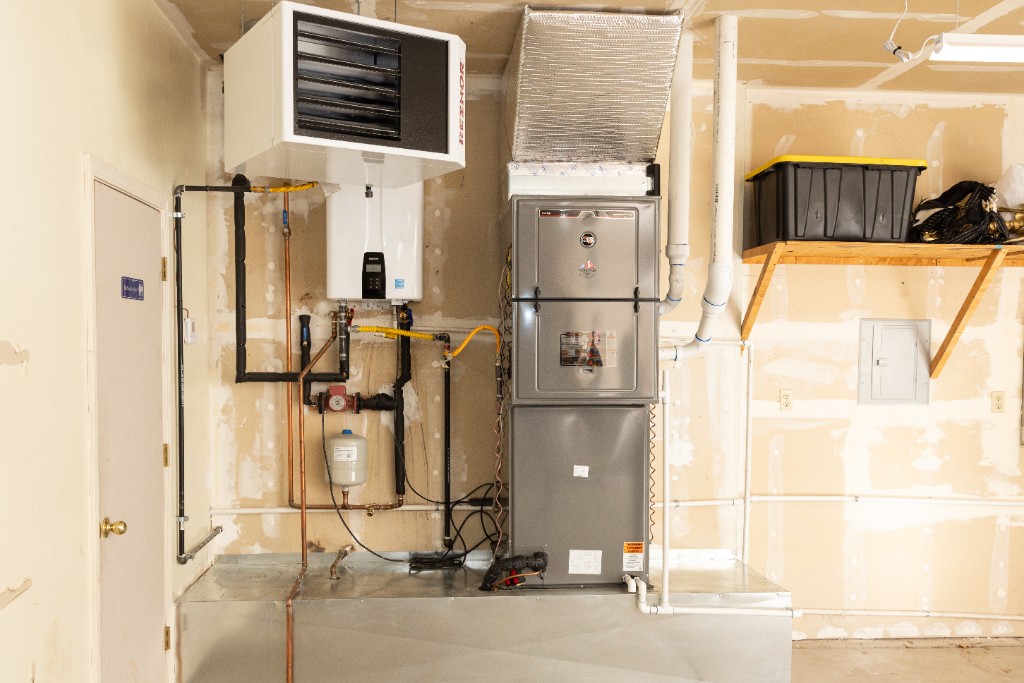
Precision installs — heating, cooling, and water heating
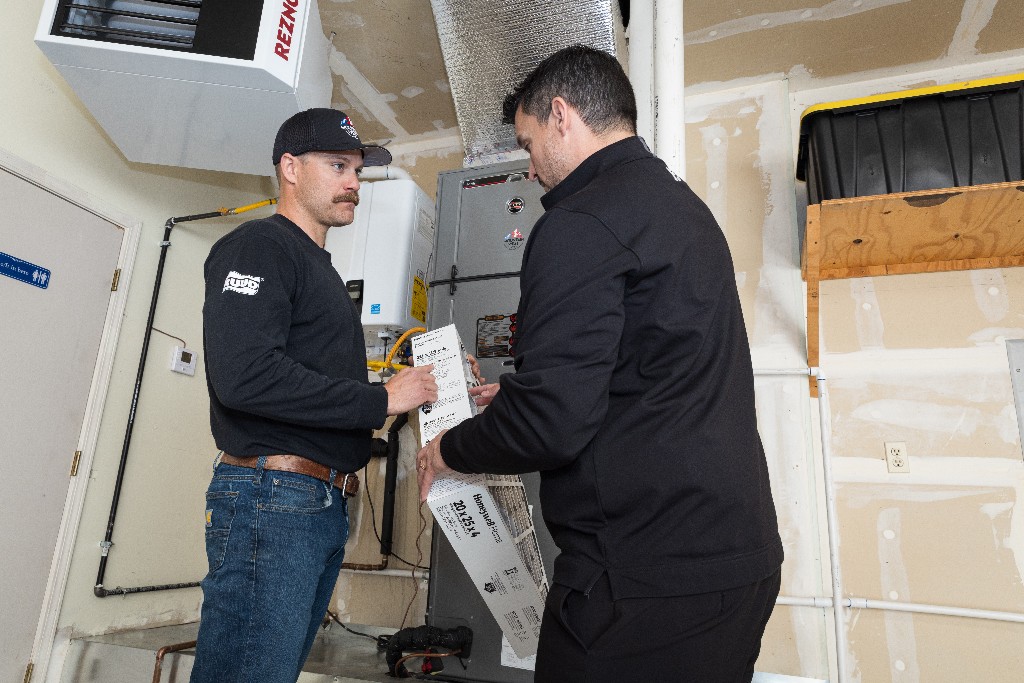
Water heater service and high-efficiency upgrades
Related Services
Ready to Get Started?
Contact us today for a free estimate on your {title} needs.