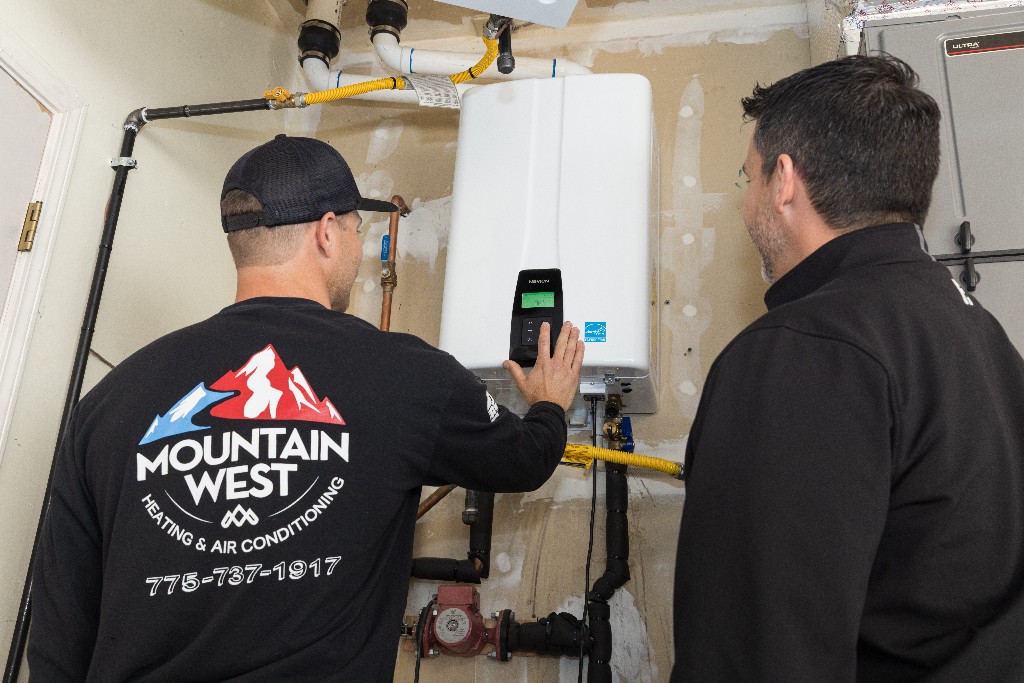
Water Heater Maintenance & Tune-Up in Mound House, NV
Water heater maintenance & tune-up in Mound House, NV. Prevent breakdowns, boost efficiency, and ensure reliable hot water. Get a free estimate!
Is Your Mound House Water Heater Making Strange Noises or Running Out of Hot Water?
Are you constantly running out of hot water faster than usual, or hearing strange rumbling and popping noises coming from your water heater tank as it struggles against Mound House's hard water? Ignoring these early warning signs can lead to significantly reduced heating efficiency, premature system failure, and even costly leaks that damage your property. Don't wait for a total breakdown; Mountain West Heating and Air Conditioning is ready to diagnose and resolve these issues to ensure your system operates reliably.
Warning Signs Your Water Heater Needs Immediate Attention
Rumbling or Popping Noises from the Tank
You might hear unusual sounds coming from your utility closet, often described as a low rumble, popping, or crackling noise when the unit is actively heating. These sounds are typically caused by heavy sediment buildup settling at the very bottom of the tank. As the heating element attempts to warm the water, it has to push heat through this thick, hardened layer of mineral deposits.This process creates trapped steam bubbles beneath the sediment that forcefully burst upward, causing the distinct popping racket you hear. Sediment acts as a heavy insulator inside the tank, blocking the efficient transfer of heat. This forces your equipment to work much harder and run much longer just to heat the same volume of water.
Left unaddressed, this constant overheating drastically reduces the system's efficiency. It also places immense stress on the metal, which can lead to premature failure of the heating element or cause the tank lining itself to crack and leak.
Reduced Hot Water Supply or Inconsistent Temperatures
Your morning showers might be getting colder much faster, or the hot water simply does not last as long as it used to when multiple people need to get ready. You might also notice the water temperature fluctuating unexpectedly while you are washing dishes or doing laundry. This usually indicates that excessive sediment has displaced the water, severely reducing the tank's actual holding volume.It can also point to a failing heating element that can no longer reach its target temperature, or a faulty thermostat that is misreading the water's heat level. In our region, hard water heavily contributes to both sediment displacement and accelerated component wear. Beyond the daily frustration, an inefficient system wastes energy and drives up your utility bills.
Persistent temperature drops are often the final warning sign before a complete loss of hot water. Catching this symptom early allows for a simple descaling or part replacement rather than a total system overhaul.
Cloudy, Discolored, or Foul-Smelling Water
The hot water flowing from your faucets might appear cloudy, have a reddish-brown rusty tint, or even smell metallic or like rotten eggs. Cloudy water is a classic sign of high mineral content and loose sediment being actively stirred up inside the heating tank. Rusty water directly points to internal tank corrosion or a completely degraded anode rod that is no longer protecting the steel lining.A sulfurous rotten egg smell indicates a bacterial reaction within the tank. This is often exacerbated by thick sediment layers and stagnant water conditions at the bottom of the unit where temperatures might not be hot enough to kill microbes. Discolored water can ruin your laundry and leave stubborn stains on your plumbing fixtures over time.
Foul-smelling water indicates an immediate need for thorough cleaning and sanitation. Flushing the tank and treating the water eliminates these unpleasant odors and prevents further contamination of your home's hot water supply.
Leaks or Puddles Around the Water Heater Base
You might discover water pooling around the base of your unit or notice dried rust streaks running down the side of the exterior tank casing. This is a critical warning sign that requires immediate professional intervention before the situation escalates. Leaks often stem from corroded connection pipes, a faulty temperature and pressure relief valve, or a structural breach in the tank itself.Any active leak, no matter how small it seems, can cause significant water damage to your home. This leads to expensive repairs for your flooring, baseboards, and drywall, especially if the unit is located inside the house rather than the garage. A leaking tank usually signals the end of the equipment's lifespan.
Addressing this immediately prevents a catastrophic flood in your utility room. Once a steel tank is breached by rust, it cannot be patched, making prompt assessment essential.
Unexpectedly High Energy Bills
Your monthly energy statements might be noticeably higher than usual, even without any significant changes in your household hot water usage habits. An inefficient unit is forced to consume far more gas or electricity to produce the exact same amount of hot water. This severe drop in efficiency is usually caused by excessive internal scale, a failing heating element, or a thermostat that cannot accurately read temperatures.Beyond the financial drain, higher energy bills prove your system is operating under severe stress. The longer the unit runs to hit its target temperature, the faster the internal components degrade. This accelerated wear and tear rapidly shortens the overall lifespan of your unit.
Catching this efficiency drop early prevents you from paying for wasted energy month after month. A standard tune-up can often restore the unit to its original efficiency ratings.
What Is Causing Your Water Heater Problems?
Severe Sediment Buildup from Hard Water
Over time, minerals like calcium and magnesium naturally present in the local water supply settle at the very bottom of your tank. This creates a dense, rock-hard layer of sediment that physically interferes with the heating process. Mound House has moderately to very hard water, meaning this mineral accumulation happens much faster here than in areas with softer municipal water.Regular flushing of the tank is the only effective way to combat this environmental factor. A professional tune-up includes systematically draining the tank to flush out these loose deposits before they can harden into scale. Removing this barrier restores heating efficiency and prevents permanent damage to internal components.
Anode Rod Degradation
The anode rod is a sacrificial metal rod suspended inside your tank that is specifically designed to attract corrosive elements found in the water. It intentionally corrodes away so that your steel tank lining does not rust. The mineral-rich groundwater in our area significantly accelerates the corrosion of this vital protective rod.When the anode rod is fully consumed, the tank itself becomes instantly vulnerable to irreversible rust and structural failure. During a thorough maintenance visit, we pull and inspect this rod to accurately gauge its remaining lifespan. Replacing a depleted rod is a simple, cost-effective step that adds years to the life of your equipment.
Wear and Tear on Heating Elements or Burners
For electric models, the internal heating elements can become heavily encrusted with hard water scale, severely reducing their ability to transfer heat into the water. For gas models, the burner assemblies often accumulate dust, soot, or debris that leads to incomplete combustion. The high desert environment contributes fine dust that can foul gas burners, while our local water supply relentlessly attacks electric elements.Routine maintenance includes carefully inspecting and cleaning these critical heating components. Descaling electric elements restores their heat transfer capabilities and lowers your electrical draw. Cleaning gas burners ensures proper, safe combustion and reliable pilot light operation.
Faulty Thermostat or Pressure Relief Valve
The thermostat acts as the brain of the unit, regulating exactly how hot the water gets and telling the system when to turn on and off. If it malfunctions, it can lead to wildly inconsistent temperatures or dangerous overheating. The temperature and pressure relief valve is a critical safety device designed to open and release water if internal pressure reaches dangerous levels.Over time, especially with mineral-rich water flowing through the system, thermostats lose their calibration and relief valves can corrode or seize shut. We rigorously test both the thermostat for accurate temperature control and the relief valve for proper mechanical function. Replacing these small parts ensures your system remains both comfortable and entirely safe to operate.
What to Expect During Your Maintenance Service Visit
When you schedule water heater maintenance with Mountain West Heating and Air Conditioning, you can expect a thorough service designed to optimize your system's performance. Our certified technicians will arrive promptly at your Mound House property, ready to assess the exact condition of your equipment. We start with a comprehensive visual inspection to check for obvious signs of leaks, external corrosion, or ventilation issues on gas units.
A crucial step in our visit is performing a full system flush to clear out the tank. We carefully drain the water to remove the years of accumulated sediment and mineral deposits that are so prevalent with our local hard water. This vital process immediately helps restore heating efficiency and prevents the sediment from baking onto your heating elements.
Comprehensive Component Testing and Cleaning
Next, we pull and inspect the anode rod to ensure it is still actively protecting your tank from internal rust. If it is significantly depleted, we will recommend a quick replacement to extend the life of your unit. We also test the thermostat for accurate temperature readings and manually trigger the pressure relief valve to confirm this essential safety component is functioning correctly.For gas units, we carefully inspect and clean the burner assembly to ensure efficient and safe combustion. For electric units, we check the heating elements for scale buildup and verify proper electrical draw. Finally, we provide a detailed report on your equipment's condition and discuss any findings so you know exactly where your system stands.
Related Services You May Need
Routine maintenance is the best way to prevent major issues, but sometimes we uncover problems that require more extensive intervention. If our technicians discover severe internal damage during your tune-up, we offer comprehensive Water Heater Repair & Service to fix failing components. If your tank is simply beyond its functional lifespan or actively leaking, we can walk you through our Water Heater Installation & Replacement options. Additionally, for homes utilizing natural gas or propane models, ensuring your Gas Line Repair & Service is up to code is vital for both safety and peak performance.
The True Cost of Delaying Water Heater Maintenance
Ignoring the early warning signs of a struggling water heater invariably leads to a cascade of costly and highly inconvenient problems. What begins as a minor issue, like a faint popping noise, can rapidly escalate into a complete system breakdown. This leaves your family without hot water when you need it most and often forces you to seek emergency repair services.
Beyond the daily inconvenience, a neglected tank poses serious safety and property risks to your home. Unchecked sediment buildup and internal corrosion eventually cause the steel tank to rupture and leak. This creates significant water damage to your flooring, drywall, and belongings while potentially fostering hidden mold growth in your utility spaces.
Financial Impacts of Neglect
For gas units, improper combustion due to a lack of cleaning can even present dangerous carbon monoxide risks to your household. An inefficient unit also relentlessly drives up your monthly utility bills, costing you extra money every single day it operates poorly. Ultimately, delaying routine care drastically shortens the lifespan of your equipment, forcing you into an expensive, unplanned replacement years before it should have been necessary.Restoring Your Home's Hot Water Reliability
Do not let unpredictable temperatures or strange tank noises disrupt your daily comfort. Getting ahead of mineral buildup and component wear is the easiest way to protect your investment and lower your monthly energy costs. Our team understands the specific hard water challenges facing homeowners in this region and knows exactly how to keep your equipment running smoothly. Mountain West Heating and Air Conditioning is ready to provide the expert water heater maintenance and tune-up services you need in Mound House today.Why Choose Us
- 8+ Years of Experience
- Licensed & Insured
- Upfront Pricing
- 100% Satisfaction Guarantee
- Same-Day Service Available
Service Gallery
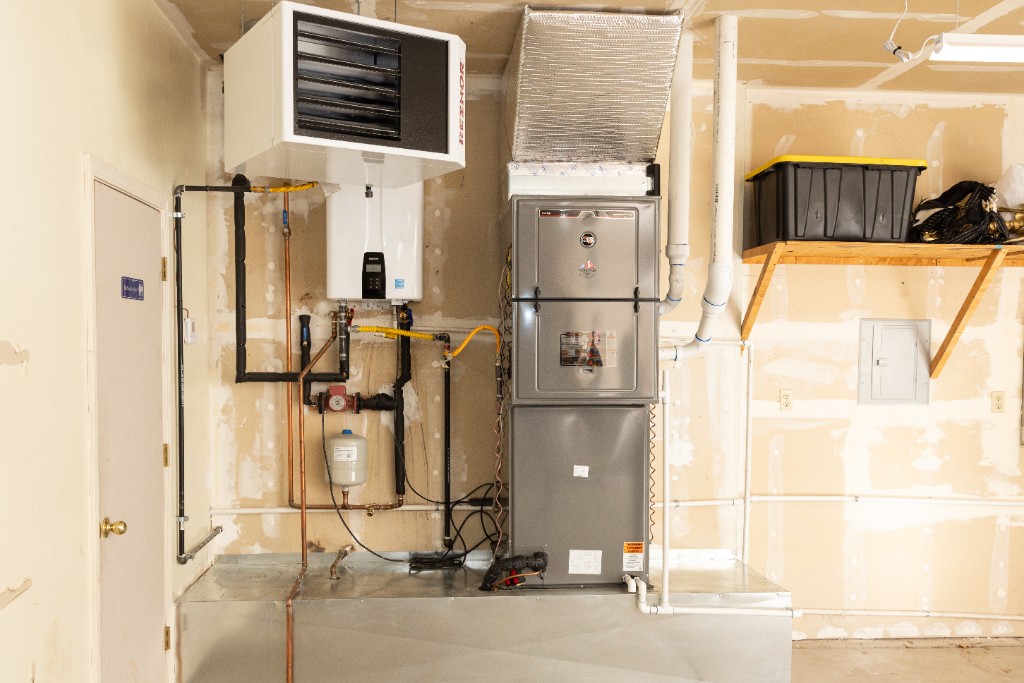
Precision installs — heating, cooling, and water heating
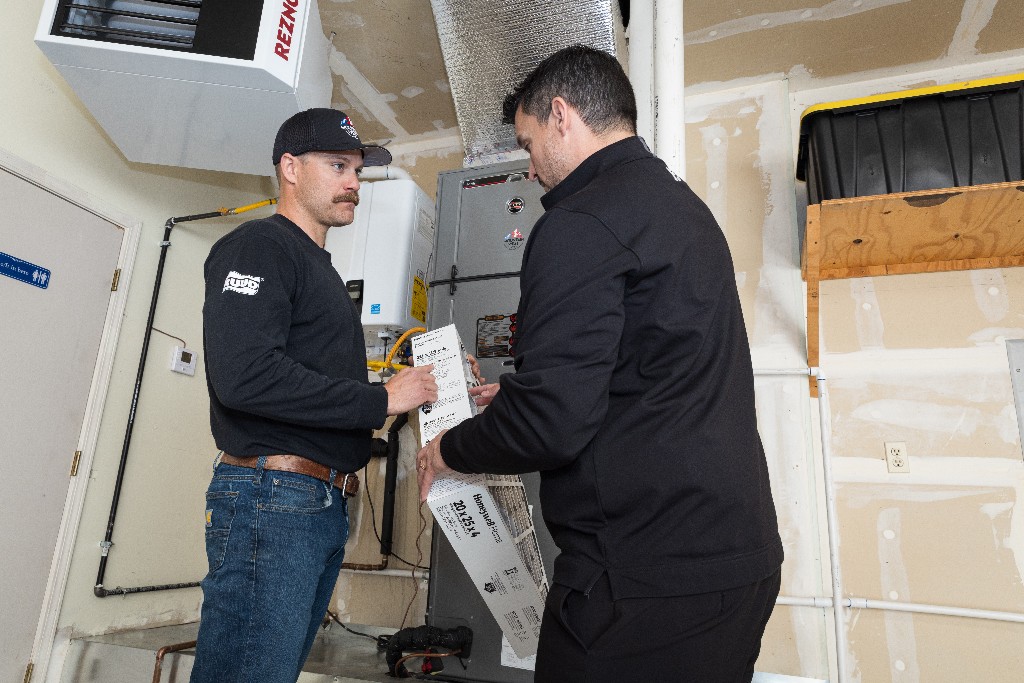
Water heater service and high-efficiency upgrades
Related Services
Ready to Get Started?
Contact us today for a free estimate on your {title} needs.