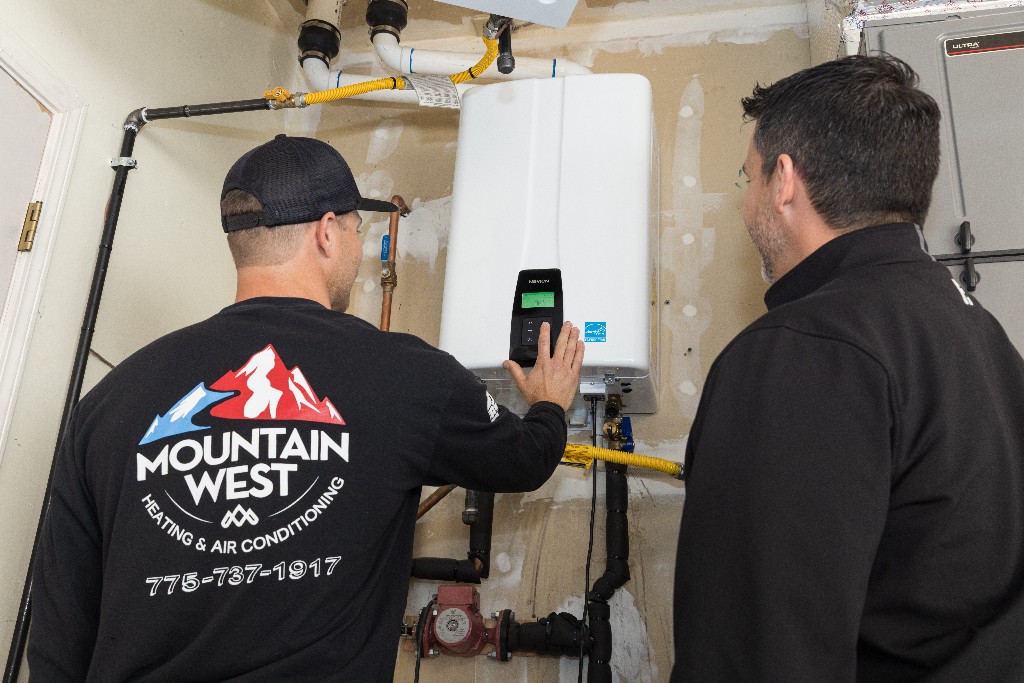
Heating Inspection & Testing in Washoe Valley
Is your Washoe Valley furnace struggling? Get professional heating inspection & testing to diagnose issues, prevent breakdowns, and ensure safety.
Is Your Heating System Struggling, Smelling, or Making Strange Noises?
Are you noticing a sharp burning smell when the furnace kicks on, hearing a delayed boom during ignition, or feeling lukewarm air barely trickling from your vents? These are clear mechanical red flags that your system is actively failing and requires professional diagnostic testing before it becomes a complete breakdown or safety hazard. Mountain West Heating and Air Conditioning is ready to dispatch our certified technicians to thoroughly inspect your system and pinpoint the exact point of failure.
Warning Signs You Need a Heating Inspection
When a heating system starts to fail, it rarely stops working all at once without giving you a few clear warning signs first. The problem is that many homeowners ignore these early symptoms, hoping the issue will resolve itself, which only leads to more expensive damage. As seasoned technicians, we know exactly what these operational red flags mean and how to test for the underlying mechanical failures causing them. If you suspect an issue, scheduling a heating inspection is crucial.
Lukewarm or Weak Airflow
If your vents are barely pushing out air or the air feels tepid, your blower motor might be failing or your heat exchanger could be compromised. We test the temperature rise and airflow velocity to find out exactly where the heat is getting trapped or lost inside the cabinet. Ignoring weak airflow usually causes the system to overheat and trip its internal safety switches repeatedly until the control board locks out completely.Delayed Ignition or Banging Sounds
A loud boom when your furnace turns on means gas is pooling in the combustion chamber before the igniter finally catches it. This is a severe safety issue that requires immediate testing of your gas valve, burners, and ignition sequence to prevent structural damage to the unit. We measure the incoming and manifold gas pressure to ensure the fuel mixture is safe, precise, and igniting at the exact right millisecond.Acrid or Burning Odors
While a brief dusty smell is normal after months of inactivity, a persistent electrical or metallic burning odor means wiring is melting or a motor is seizing. We trace these smells directly to their source using specialized meters to catch electrical faults before they cause an internal fire or destroy surrounding components. A rotten egg smell is an absolute emergency, requiring us to test for immediate gas leaks and shut the system down safely.Short Cycling Behavior
If your heater runs for just a few minutes and abruptly shuts off before the house is warm, the system is actively protecting itself from destroying its own components. We inspect the high-limit switch, flame sensor, and venting draft to figure out why the safety mechanisms are tripping under normal load. Letting a system short cycle will eventually burn out the blower motor, destroy the igniter, and fry the main control board.Unexplained Energy Bill Spikes
When your utility bill doubles but your thermostat habits have not changed, your system is working twice as hard to produce the same amount of heat. A deep diagnostic test reveals whether a clogged secondary heat exchanger, failing capacitor, or heavy duct leak is bleeding your wallet dry. We pull amp draws on your motors to see exactly how much electricity they are wasting while struggling to keep up with the demand.Constant Thermostat Adjustments
You find yourself constantly bumping the thermostat up because the house never actually reaches the set temperature on the screen. This means your system is running continuously but failing to satisfy the demand, wasting massive amounts of energy and putting heavy wear on moving parts. We test the thermostat wire continuity and the system's output capacity to see if the equipment is mechanically failing to produce the required heat.Common Causes Behind Heating Failures
A failing heating system is not a mystery; it is a machine experiencing a specific mechanical, electrical, or airflow breakdown. Through hundreds of diagnostic visits, we have found that almost every heating issue traces back to a handful of predictable failure modes. Our testing process is designed to isolate these exact components, proving definitively why your system is no longer keeping your home comfortable.
Soot and Debris in the Burner Assembly
High desert dust and household debris easily clog the tiny orifices in your furnace burners over years of operation. When these get choked, the fuel mixture becomes rich and unstable, leading to heavy soot buildup and dangerous carbon monoxide risks. A proper inspection involves pulling the burner assembly apart to check for these invisible blockages and testing the flame quality.Corroded or Cracked Heat Exchangers
Years of constant expansion and contraction from intense heat can cause the metal in your heat exchanger to fatigue, warp, and eventually crack. This is the most critical failure mode we test for, as a compromised exchanger allows deadly combustion gases to mix directly with the air blowing into your home. We use specialized inspection cameras to scope the entire heat exchanger for microscopic stress fractures that cannot be seen with the naked eye.Worn Out Blower Motor Bearings
The blower motor works incredibly hard to push air through your ductwork, and its bearings eventually lose their factory lubrication and grind down. We measure the electrical draw on the motor to tell if it is overworking, overheating, and on the verge of seizing up completely during a heating cycle. Catching a failing bearing early during a diagnostic test saves you from a catastrophic motor failure when you need your heat the most.Failing Flame Sensors and Igniters
A dirty flame sensor will shut off the gas valve almost immediately because it cannot detect the fire, leaving you shivering in a cold house. Similarly, a weak hot surface igniter will fail to reach the necessary temperature to light the gas, which we can easily identify with a standard multimeter. These components degrade naturally over thousands of heating cycles and must be tested for proper electrical resistance to ensure reliability.Restricted Airflow and High Static Pressure
When your ductwork is undersized, crushed, or blocked by a severely impacted filter, the system literally chokes on its own air. High static pressure forces the blower motor to work against a wall of resistance, drastically reducing the lifespan of your equipment and causing frequent overheating. We measure the supply and return static pressure during our testing to determine if your ductwork is actively killing your heating unit.What to Expect During Your Heating Inspection
When you call Mountain West Heating and Air Conditioning for a diagnostic visit, we do not just look at the machine and guess what might be wrong. We perform a structured, multi-point inspection using calibrated tools like combustion analyzers, manometers, and multimeters to measure exactly what is happening inside your unit. We check the gas pressure at the manifold, test the static pressure in the ductwork, and verify that the thermostat is sending the correct voltage to the control board.
We also test every electrical component under load to ensure capacitors, contactors, and circuit boards are operating within strict manufacturer specifications. Safety is our primary concern, so we rigorously check for carbon monoxide leaks, proper venting draft, and secure gas connections before we ever consider the job done. We observe a full heating cycle from the initial call for heat to the final shutdown sequence to catch intermittent issues that a quick glance would miss entirely.
Once the testing is complete, we sit down with you to explain the data, show you the failing parts, and discuss the most logical next steps to restore your comfort. You get a clear, blunt assessment of your system's health without any vague technical jargon or high-pressure tactics. We lay out the exact repairs needed so you can make an informed decision about your home, knowing exactly what you are paying for.
Heating Inspection & Testing Coverage Across Washoe Valley
Our trucks are fully stocked with diagnostic equipment and ready to reach homes throughout the entire region to troubleshoot your failing heating system.
Reno-Sparks Area: Reno, NV, Sparks, NV, Verdi, NV
Lake Tahoe Nevada Shore: Glenbrook, NV, Incline Village, NV, Kingsbury, NV, Stateline, NV, Zephyr Cove, NV
Carson City & Valley: Carson City, NV, Gardnerville, NV, Genoa, NV, Indian Hills, NV, Johnson Lane, NV, Minden, NV, Washoe Valley, NV, Stewart, NV, Washoe Valley, NV
Comstock & Rural East: Dayton, NV, Empire, NV, Mound House, NV, Silver City, NV, Stagecoach, NV, Virginia City, NV
Related Services
A rigorous diagnostic test often uncovers the root cause of your system's failure, allowing us to move straight into targeted heating repair. If your equipment is severely compromised or simply too old to fix safely, we can also guide you through your options for a complete heating installation.
Schedule Your Heating System Diagnostic Today
Guessing what is wrong with a failing furnace or heat pump is a recipe for expensive breakdowns and serious safety hazards. You need hard data and expert eyes to figure out exactly why your system is struggling to keep your house warm.
Let our experienced technicians track down the electrical faults, gas flow issues, and airflow restrictions dragging your equipment down. Contact Mountain West Heating and Air Conditioning to get a comprehensive heating inspection on the schedule today.
Other Heating Services
- Heating Repair & Service
- Heating Installation & Replacement
- Heating Maintenance & Tune-Up
- Heating Emergency Repair
Why Choose Us
- 8+ Years of Experience
- Licensed & Insured
- Upfront Pricing
- 100% Satisfaction Guarantee
- Same-Day Service Available
Service Gallery
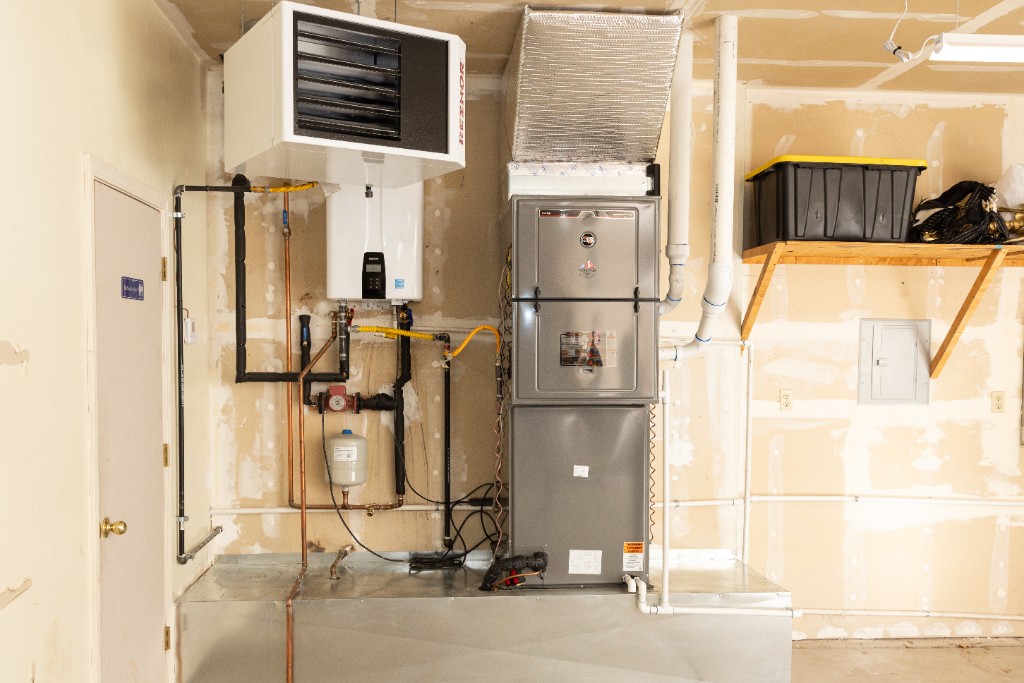
Precision installs — heating, cooling, and water heating
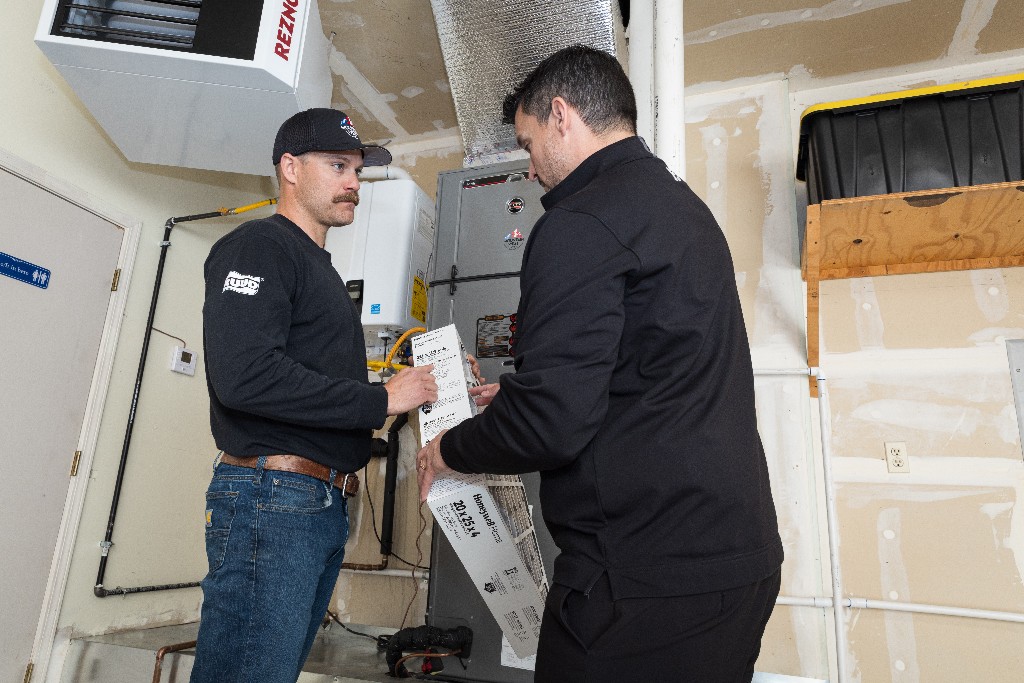
Water heater service and high-efficiency upgrades
Related Services
Ready to Get Started?
Contact us today for a free estimate on your {title} needs.