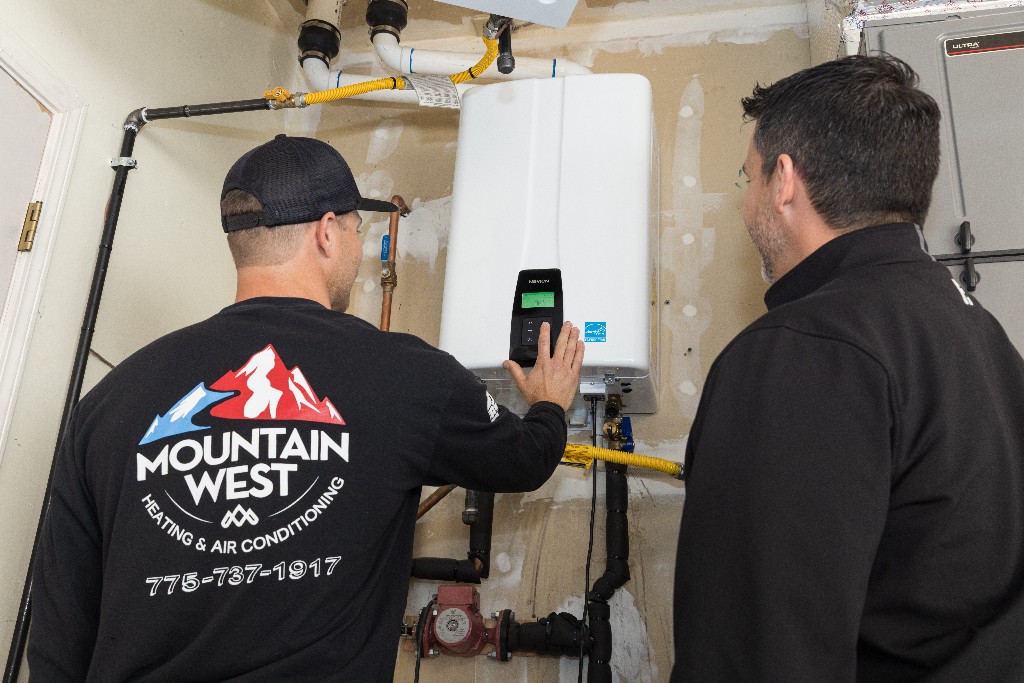
Water Heater Inspection & Testing in Dayton, NV
Is your Dayton, NV water heater noisy, leaking, or out of hot water? Get expert inspection & testing to diagnose issues and restore reliable hot water.
Is Your Dayton Water Heater Making Strange Noises or Running Out of Hot Water?
Is your water heater rumbling like a coffee pot, struggling to provide enough hot water for your family, or delivering rusty-colored water to your taps after dealing with Dayton's notoriously hard water? Ignoring these warning signs can lead to escalating energy bills, premature system failure, or even a sudden, costly leak that disrupts your home and daily routine. Don't wait for a cold shower surprise; Mountain West Heating and Air Conditioning is ready to provide thorough water heater inspection and testing to diagnose issues and restore reliable hot water to your home.
Warning Signs Your Water Heater Needs Immediate Attention
When your hot water system starts acting up, it usually gives you a few hints before completely failing. Recognizing these symptoms early allows you to address the root cause before a minor inconvenience turns into a major plumbing disaster.
Unusual Noises from the Water Heater Tank
You might hear popping, rumbling, hissing, or even whistling sounds coming from your water heater, especially when it is actively heating water. These sounds often get louder and more frequent over time as the underlying issue worsens. Homeowners often describe it as sounding like a coffee pot percolating inside the closed tank.
These noises are typically caused by sediment buildup at the bottom of the tank. As the heating element tries to heat the water, it also heats the trapped sediment, causing water pockets within the sediment to boil and burst. In our region, hard water significantly contributes to this rapid mineral accumulation.
Not Enough or No Hot Water
You find your hot water supply runs out quickly, your showers are lukewarm, or you are completely without hot water even after the unit has had time to recover. Taking a shower should not be a race against the clock. This sudden drop in capacity means your system is struggling to keep up with standard household demand.
This is a common symptom of several issues, including a failing heating element for electric units or a burner issue for gas units. It can also point to excessive sediment buildup that physically reduces the tank's effective water capacity. Continued operation under these conditions will strain other components and result in higher repair costs.
Cloudy or Rusty-Colored Water
The hot water coming from your faucets might appear cloudy, murky, or have a distinct reddish-brown tint, while your cold water remains perfectly clear. You might also notice small, gritty particles settling at the bottom of your sink or bathtub. This is a very clear visual indicator that the interior environment of your tank is failing.
Rusty water is a strong indicator of advanced corrosion inside your water heater tank or a severely corroded anode rod. The anode rod is designed to sacrifice itself to protect the tank, but once it is gone, the steel tank itself starts to rust. Corroded tanks are on the verge of leaking, signaling that the structural integrity is severely compromised.
Leaking Water Around the Base of the Unit
You might discover puddles or dampness around the bottom of your water heater, or notice water stains on the floor or wall nearby. Even a tiny, consistent drip is a major red flag that requires immediate professional evaluation. Water pooling around the base of a high-voltage electrical appliance or a gas-fired unit is incredibly dangerous.
Leaks can stem from loose connections, a failing pressure and temperature relief valve, or a cracked expansion tank. Most critically, it could be a breach in the main storage tank itself due to advanced internal corrosion. Any leak can quickly escalate into a catastrophic flood, causing extensive water damage to your property.
Foul Odors from Your Hot Water
Your hot water might carry an unpleasant smell, often described as rotten eggs or sulfur, when you turn on the tap. You will typically only notice this smell when running the hot water, while the cold water smells completely fine. This odor can make showering or washing dishes an incredibly unpleasant experience.
This smell is usually caused by a reaction between the anode rod and naturally occurring sulfates in the water, which creates hydrogen sulfide gas. It can also indicate bacteria growth within the tank, often exacerbated by low water heater temperature settings. While generally not a health hazard, the odor is a clear sign that your system needs a thorough flushing.
What is Actually Causing Your Water Heater Problems
Understanding what is happening inside your tank takes the mystery out of the diagnostic process. Here are the most common root causes behind the issues you are experiencing.
Sediment Buildup and Hard Water Scaling
Over time, minerals like calcium and magnesium naturally present in the Dayton water supply precipitate out and settle at the bottom of your water heater tank. This creates a thick layer of sediment that physically takes up space inside your unit. This displacement means your tank holds less water than it was originally designed to hold.
This sediment also acts as a dense insulator, preventing the heating element or gas burner from efficiently transferring heat to the water above it. Your system has to run longer and hotter just to reach your desired temperature setting. An inspection can determine the extent of this buildup and recommend a professional flush to clear the debris.
Corroded Anode Rod or Tank
The anode rod is a critical internal component often referred to as the sacrificial rod. It is specifically designed to attract corrosive elements in the water and rust away before the actual steel tank does. This chemical process is the primary defense mechanism protecting the interior lining of your system.
When this rod fully deteriorates, the tank itself becomes vulnerable to rust and corrosion, eventually leading to structural failure. Hard water can sometimes accelerate the degradation of this rod due to the high mineral content. Checking the structural integrity of the anode rod is a standard and essential part of our diagnostic testing.
Faulty Heating Elements or Burner Assembly
For electric water heaters, the internal heating elements do the heavy lifting to keep your water at the right temperature. These elements can burn out due to electrical surges or become heavily coated with mineral scale over time. Once coated in scale, their ability to transfer heat into the surrounding water is significantly reduced.
For gas water heaters, the burner assembly can become clogged with dust, dirt, or debris, preventing a clean and even burn. The pilot light or thermocouple can also malfunction, causing the unit to shut down entirely as a safety precaution. Our diagnostic testing includes checking the electrical continuity of elements and assessing the safe operation of gas burners.
Pressure and Temperature Relief Valve Malfunctions
The pressure and temperature relief valve is arguably the most important safety device installed on your water heater. It is designed to automatically open and release water if the temperature or pressure inside the tank reaches a dangerous threshold. Without this valve functioning properly, a malfunctioning water heater could literally rupture from built-up pressure.
Mineral deposits from hard water can sometimes cause these valves to stick in the open or closed position. A valve stuck open will constantly leak water down the side of your tank, while a valve stuck closed offers zero protection against pressure spikes. If we find this valve is faulty during our inspection, replacing it is an absolute necessity.
What to Expect During Your Inspection Visit
When a Mountain West Heating and Air Conditioning certified technician arrives at your home, you can expect a thorough, professional, and transparent process. As a locally owned and operated business founded by Andrew Morrell, we treat every customer like family and prioritize technical excellence. We start by listening to your concerns and any specific symptoms you have noticed with your hot water supply.
Initial Assessment and Visual Inspection
We examine the exterior of your water heater for any obvious signs of leaks, rust, or physical damage to the tank casing. We inspect all visible pipes, shut-off valves, and connections for signs of weeping or corrosion. This visual sweep helps us identify any immediate hazards before we begin testing the internal components.
Safety and Compliance Checks
Safety is our top priority when evaluating any gas or electrical appliance in your home. We check the water heater's seismic straps, which is a crucial safety requirement for homes to prevent tipping during an earthquake. For gas units, we thoroughly inspect the ventilation system to ensure proper drafting of dangerous combustion gases away from your living space.
Internal Component Diagnostics
Our technicians will test the pressure and temperature relief valve to ensure it opens and closes smoothly without sticking. We assess the bottom of the tank for sediment buildup and evaluate the current lifespan remaining on your anode rod. For electric units, we test the heating elements and thermostat calibration to ensure they are drawing the correct voltage and cycling properly.
Detailed Reporting and Honest Recommendations
After the inspection, we provide a clear, easy-to-understand report of our findings without using confusing industry jargon. We will explain exactly what is causing your hot water issues and present you with honest, expert recommendations for moving forward. You will receive transparent pricing for any necessary maintenance or repairs, allowing you to make an informed decision without any high-pressure sales tactics.
Related Services You May Need
Maintaining your home comfort systems often involves a comprehensive approach to plumbing and HVAC care. If our inspection uncovers specific failing components, our team is fully equipped to perform precise Water Heater Repair & Service to resolve the issue immediately. For older units that are beyond repair or simply too inefficient to keep running, we specialize in professional Water Heater Installation & Replacement to upgrade your home. Additionally, ensuring your fuel lines are safe is paramount, which is why we offer Gas Line Inspection & Testing for homes utilizing gas-fired water heaters.
The True Cost of Delaying Water Heater Inspections
Delaying a professional water heater inspection in your Dayton home might seem like a way to save money, but it almost always leads to greater costs and inconveniences down the line.
Safety Risks and Hazards
A malfunctioning water heater can pose serious, immediate safety hazards to your household if left unaddressed. Gas units with failing ventilation systems or clogged burners can leak deadly carbon monoxide into your living spaces. Furthermore, a unit operating with a faulty pressure relief valve is essentially a ticking time bomb that could rupture from excessive internal pressure.
Escalating Repair Costs
Minor issues like sediment buildup or a failing anode rod will quickly lead to severe structural damage if ignored. What could have been a simple and inexpensive tank flush can easily turn into a complete system overhaul. Ignoring these early warning signs guarantees that you will be paying for much more expensive repairs in the near future.
Reduced Efficiency and Higher Bills
An inefficient unit works much harder to produce hot water, directly translating to higher energy consumption every time it cycles on. Sediment acts as a barrier between the heat source and the water, meaning you are paying to heat a layer of rock before heating your water. This inefficiency leads to inflated utility bills every single month until the system is properly serviced.
The Threat of Catastrophic Water Damage
The ultimate cost of waiting is a sudden loss of hot water or a massive tank failure that floods your utility room or garage. A burst tank can release dozens of gallons of water in minutes, causing extensive and costly water damage to flooring, drywall, and your personal belongings. Proactive testing and inspection catch these vulnerabilities before they turn into a major plumbing disaster.
Secure Your Home's Hot Water Supply Today
Do not let water heater worries disrupt the comfort and safety of your household. Our certified technicians have the hands-on expertise to accurately diagnose your system and provide the honest solutions you deserve. Mountain West Heating and Air Conditioning is ready to handle your water heater inspection and testing needs right now.
Why Choose Us
- 8+ Years of Experience
- Licensed & Insured
- Upfront Pricing
- 100% Satisfaction Guarantee
- Same-Day Service Available
Service Gallery
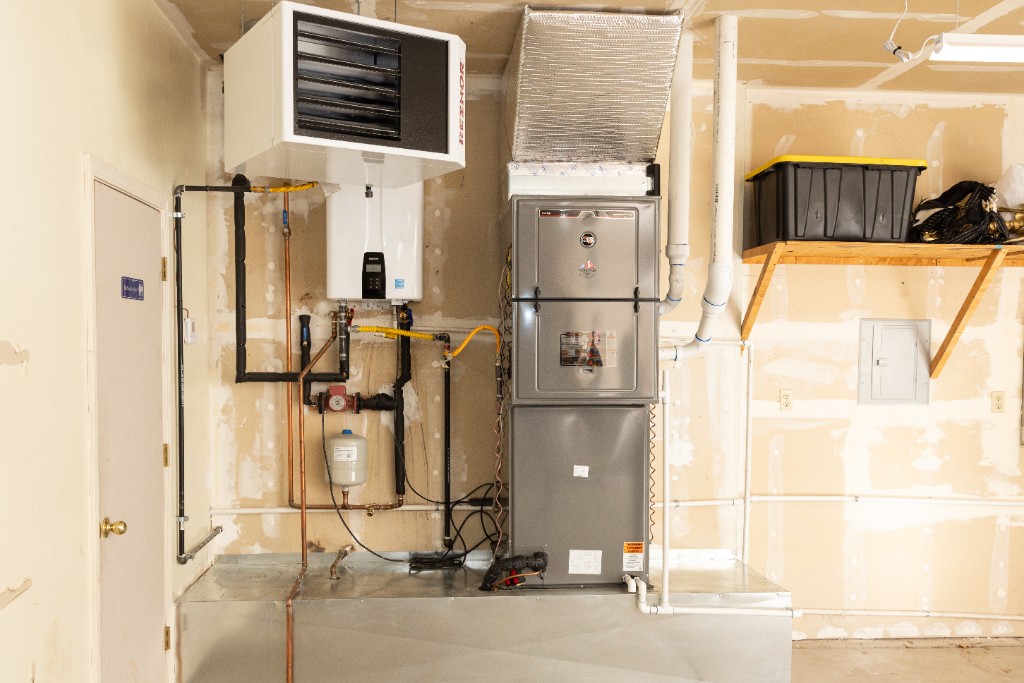
Precision installs — heating, cooling, and water heating
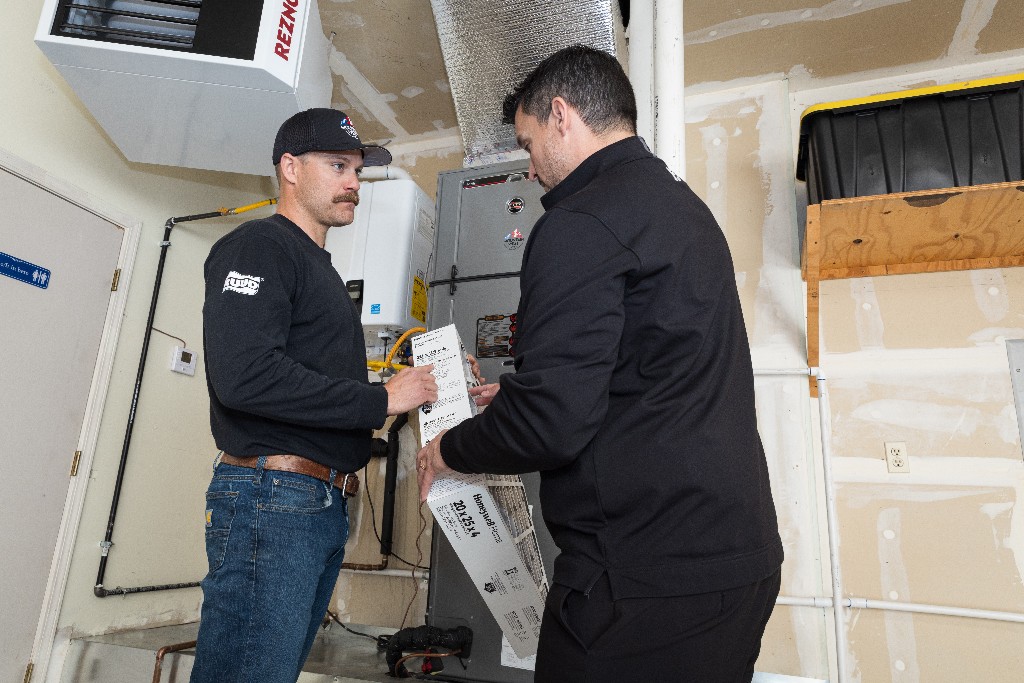
Water heater service and high-efficiency upgrades
Related Services
Ready to Get Started?
Contact us today for a free estimate on your {title} needs.