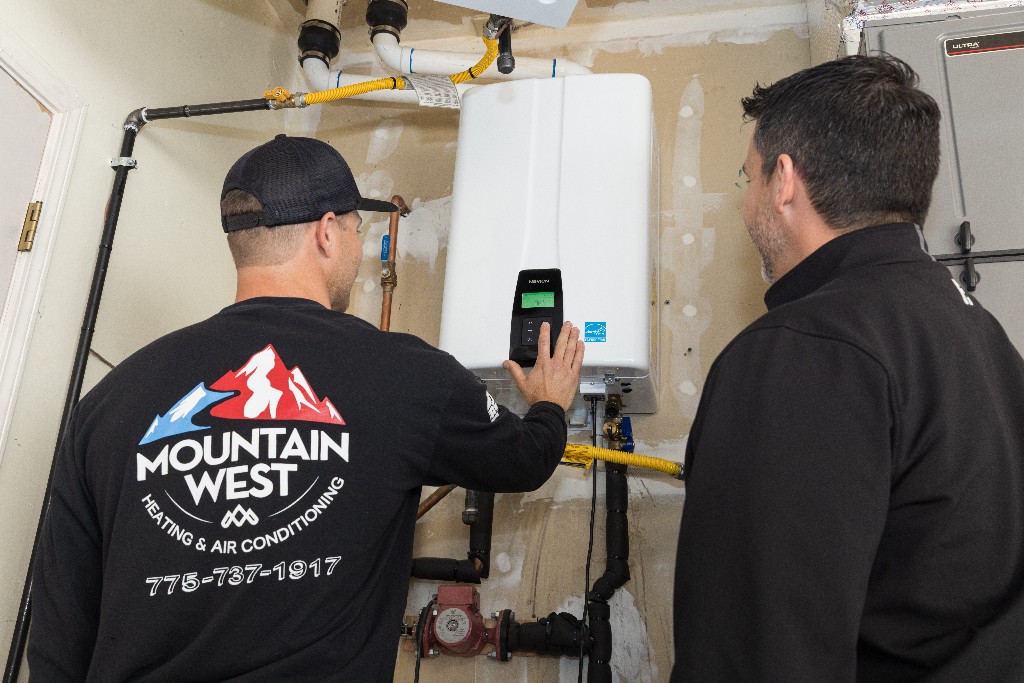
Water Heater Repair & Service in Dayton, NV
Dayton, NV water heater repair & service. Fix strange noises, no hot water, or leaks quickly. Get reliable solutions. Call today!
Water Heater Repair & Service in Dayton, NV
Is your Dayton home's water heater making strange popping noises, running out of hot water halfway through your morning routine, or leaving a suspicious puddle around the base of the tank? These are not minor inconveniences you can simply ignore; they are clear indicators that your system is under severe stress and requires immediate professional attention to prevent a total breakdown. When you need a reliable solution fast, Mountain West Heating and Air Conditioning is ready to diagnose the problem and restore your hot water today.
Warning Signs Your Water Heater Needs Immediate Attention
Recognizing the early warning signs of a failing water heater can save you from unexpected cold showers and extensive property damage. Your system communicates its distress in several specific ways before a complete failure occurs.
Rumbling or Popping Noises from the Tank
You might hear unusual sounds coming from your utility closet or garage, often described as a low rumble, a crackling noise, or a distinct popping sound. These noises typically happen when the unit is actively trying to heat the water inside the tank. While it might sound like your water heater is about to explode, the actual cause is usually related to heavy mineral accumulation.
As your unit heats up, dissolved minerals naturally separate from the water supply and settle at the bottom of the tank. Over time, this creates a thick, hardened layer of scale that buries the heating elements. When water gets trapped beneath this heavy mineral blanket, it boils rapidly and forces its way up, creating those distinct popping or rumbling sounds that indicate your system is working far harder than it should.
Insufficient or No Hot Water
Few things are more frustrating than stepping into a warm shower only to have the water turn freezing cold a few minutes later. You might also notice that it takes significantly longer for the water to heat up at the kitchen sink, or that you have no hot water flowing through your pipes at all. This lack of performance disrupts your entire daily routine and signals a major internal malfunction.
This problem often points to a burnt-out lower heating element in electric models or a clogged burner assembly in gas-powered units. In other cases, a broken dip tube might be dumping incoming cold water directly at the top of the tank instead of routing it to the bottom for heating. Alternatively, years of heavy sediment buildup may have physically displaced so much space inside the tank that your overall hot water capacity has been drastically reduced.
Leaking Water Around the Base
Discovering a puddle of water around the base of your water heater is a serious warning sign that should never be dismissed as normal condensation. You might see a slow drip coming from a valve, visible moisture running down the side of the tank, or a large pool of water spreading across the floor. Even a seemingly minor drip is a major red flag for the structural integrity of your plumbing.
Leaks can originate from a loose plumbing connection, a failing drain valve, or a weeping temperature and pressure relief valve. However, the most concerning source of a leak is a microscopic pinhole fracture in the steel tank itself, which occurs when internal rust finally eats completely through the metal. Once the actual tank body begins to leak, the unit cannot be patched and is dangerously close to a catastrophic rupture.
Smelly or Discolored Hot Water
When you turn on the hot water tap, you expect clear, clean water, but a failing system might deliver water that smells heavily of rotten eggs. You might also notice that the hot water appears cloudy, rusty, or brown, while the cold water remains perfectly clear. These unpleasant symptoms indicate that the internal environment of your water heater has become compromised.
A rotten egg smell is usually caused by harmless but foul-smelling sulfur bacteria reacting with the sacrificial anode rod inside your tank. If the water is rusty or brown, it means the protective glass lining inside your tank has cracked or deteriorated. Once that lining fails, the raw steel of the tank begins to rust from the inside out, contaminating your water supply and threatening the lifespan of the unit.
Unexplained Higher Energy Bills
You might open your monthly utility bill and notice a sudden, unexplained spike in your energy costs, even though your household habits haven't changed. Because water heating accounts for a massive portion of your home's total energy usage, a sudden drop in your system's efficiency will immediately reflect on your monthly statements.
When a water heater is bogged down by a thick layer of mineral sediment or operating with a failing thermostat, it takes significantly more energy to reach your desired temperature. The system is forced to run longer and consume more electricity or gas just to push heat through the stubborn mineral barrier. Paying for professional repairs now will stop this daily energy waste and lower your operating costs.
What Is Causing Your Water Heater Problems?
Understanding exactly why your system is struggling helps you make informed decisions about your plumbing and home comfort. Several common factors lead to the symptoms you are experiencing right now.
Sediment and Mineral Buildup
The water supply in many homes in Dayton contains high levels of dissolved minerals like calcium and magnesium. During the normal heating cycle, these minerals separate from the water and slowly accumulate on the floor of the water heater tank.
If the tank is not flushed regularly, this sediment hardens into a dense layer of scale that insulates the water from the heating source. This forces the burner or heating elements to run continuously, overheating the bottom of the tank and causing the metal to fatigue, warp, and eventually fail prematurely.
Aging Equipment and General Wear
Water heaters are under constant physical stress, expanding and contracting every single day as they cycle through extreme temperature changes. Even the most well-maintained traditional tank water heaters have an average functional lifespan of eight to twelve years.
As the unit ages, the internal sacrificial anode rod—which is designed to attract corrosive elements and protect the tank—eventually dissolves completely. Once this rod is depleted, the corrosive forces in the water immediately attack the steel tank, leading to rust, weakened structural integrity, and inevitable leaks that require professional intervention.
Faulty Thermostats and Heating Elements
The thermostat acts as the brain of your water heater, reading the internal temperature and telling the heating elements or gas burner when to turn on and off. If the thermostat loses its calibration or shorts out entirely, your water might become dangerously scalding hot or remain entirely cold.
In electric water heaters, the upper and lower heating elements are submerged directly in the water and carry a heavy electrical load. Over time, these elements can burn out, short circuit, or become so heavily encrusted with mineral scale that they physically crack and fail to transfer heat.
Pressure Relief Valve Malfunctions
The temperature and pressure relief valve is arguably the most critical safety device on your entire water heater system. If the pressure or temperature inside the tank reaches a dangerous threshold, this mechanical valve is designed to spring open and release the excess energy safely onto the floor.
Unfortunately, heavy mineral deposits can cause this mechanical valve to stick in the open position, resulting in a constant, wasteful leak down the side of the tank. Even worse, scale can fuse the valve completely shut, removing your system's primary safety mechanism and creating a severe pressure hazard inside your utility closet.
What to Expect During Your Service Visit
When you schedule a repair with us, you can expect a prompt, professional, and entirely transparent process from start to finish. A certified technician from Mountain West Heating and Air Conditioning will arrive at your home fully equipped with the specialized tools and replacement parts needed to diagnose the issue accurately.
We begin by performing a comprehensive safety and performance inspection of your entire water heating system. This includes testing the electrical voltage, inspecting the gas lines and burner assembly, checking the integrity of the tank, and testing the safety relief valves.
Thorough Diagnostics and Transparent Solutions
Once we have pinpointed the exact cause of the malfunction, we will sit down with you to explain our findings in plain, easy-to-understand language. We believe in educating our customers, so we will show you exactly which component has failed and explain how it impacts your daily comfort.
Before any actual repair work begins, we provide a clear, upfront estimate so you know exactly what the solution entails without any hidden fees or surprise charges. If the repair requires replacing a thermostat, a heating element, or a safety valve, our experienced technicians will execute the job flawlessly and test the system thoroughly before we leave your property.
Related Services You May Need
Sometimes a simple repair is not enough to save a severely compromised or heavily rusted tank. If our diagnostic testing reveals that your system is structurally unsafe or completely beyond economical repair, we will guide you through the process of Water Heater Installation & Replacement.
Proactive Upgrades and System Care
We can help you select a highly efficient modern unit that perfectly matches your household's daily hot water demands. Once your system is functioning perfectly again, we highly recommend scheduling routine Water Heater Maintenance & Tune-Up services to regularly flush out harmful sediment and extend the lifespan of your equipment.
The True Cost of Waiting to Fix Your Water Heater
Delaying necessary repairs on a struggling water heater is a gamble that almost always results in higher costs and severe property damage. A tank that is heavily rusted or leaking even a few drops is actively failing, and it will not heal itself over time.
If the bottom of a corroded tank finally gives out, it will instantly dump forty to fifty gallons of water directly into your home. This type of sudden flooding destroys drywall, ruins expensive flooring, and creates the perfect dark, damp environment for toxic mold to spread rapidly through your living spaces.
Restoring Your Comfort and Peace of Mind
Beyond the risk of severe water damage, ignoring electrical shorts or gas burner malfunctions presents a serious fire and safety hazard to your family. Reach out to Mountain West Heating and Air Conditioning today to secure fast, expert repairs and ensure your Dayton household has a safe, reliable supply of hot water all year long.
Why Choose Us
- 8+ Years of Experience
- Licensed & Insured
- Upfront Pricing
- 100% Satisfaction Guarantee
- Same-Day Service Available
Service Gallery
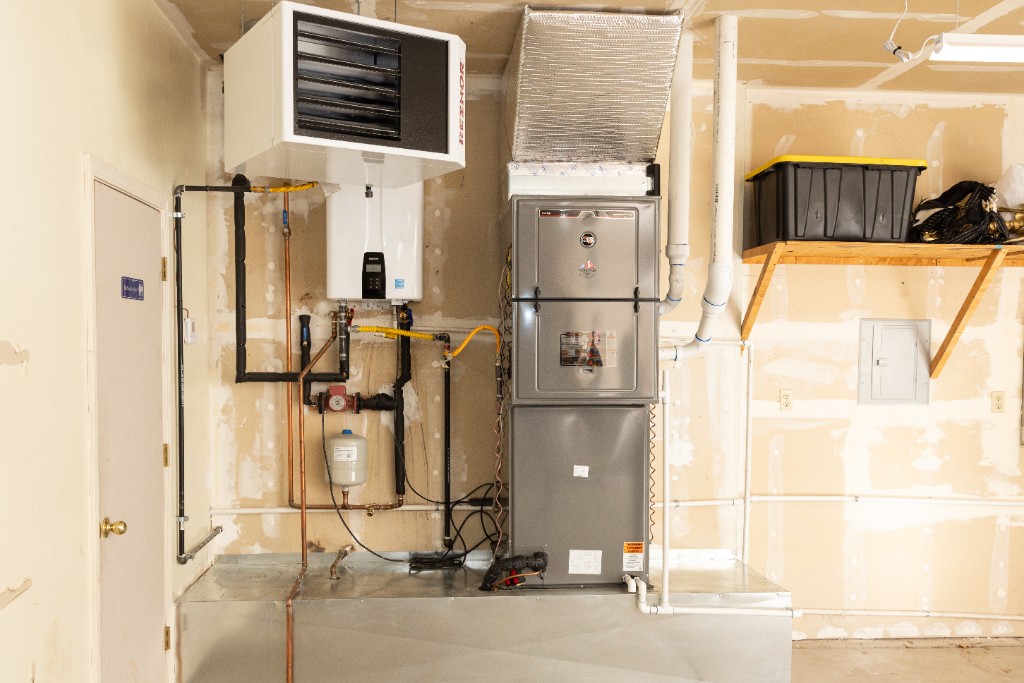
Precision installs — heating, cooling, and water heating
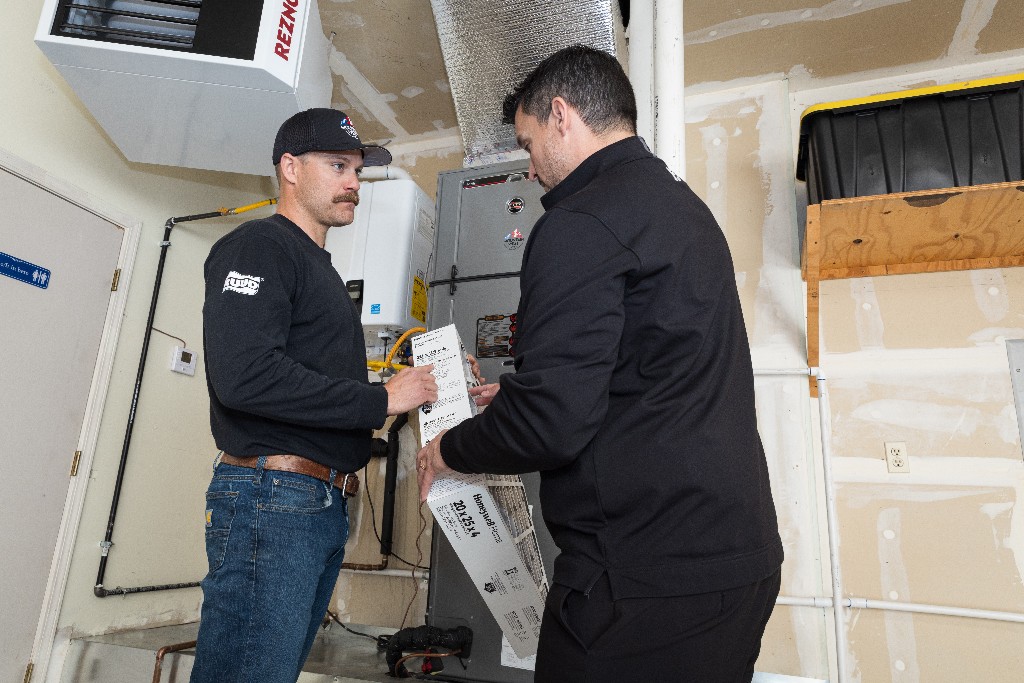
Water heater service and high-efficiency upgrades
Related Services
Ready to Get Started?
Contact us today for a free estimate on your {title} needs.